
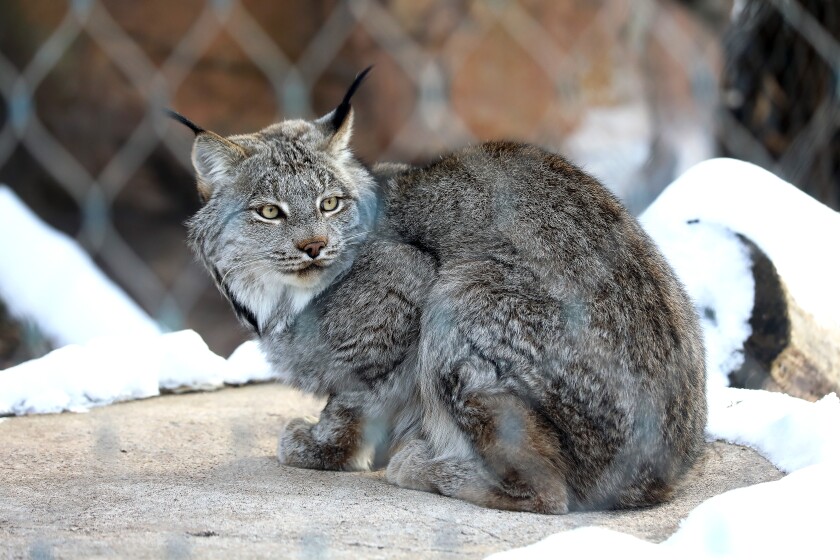
Canada Lynx at Lake Superior Zoo: A New Chapter in Local Wildlife Conservation
The arrival of two Canada lynx at the Lake Superior Zoo in Duluth has sparked fresh conversations about wildlife conservation and the local ecosystem. After the lynx habitat lay empty for over a year, the introduction of these sly and elusive animals has brought life and renewed vigor to a space once quiet and still. In today’s editorial, we take a closer look at how these newcomers—Floki and Bjorn—are shaping the narrative and outlook on regional wildlife, while also exploring what this means for visitors and conservation enthusiasts alike.
The story of Floki and Bjorn is not just about two animals finding a new home; it is a testimony to efforts made by zoos and conservation programs around the country. Born and raised in the Pittsburgh Zoo, these Canada lynx found their new beginning in Duluth, where their natural habitat extends well into the surrounding regions. Their presence serves as an example of coordinated conservation strategies and the intertwined relationship between natural preservation and local tourism.
Tracing the Journey: From Pittsburgh to Duluth
The journey of Canada lynx from the Pittsburgh Zoo to the Lake Superior Zoo is one marked by both physical relocation and a shift in environmental emphasis. Many local community members had begun to wonder about wildlife conservation outside the confines of the natural habitat, and now, these elusive creatures allow the general public to experience a real taste of the wild up close.
This move is part of the Species Survival Program, a long-term effort coordinating accredited zoos in maintaining genetic diversity and ensuring healthy animal populations. In doing so, zoos play a dual role: educating the public about natural wildlife behaviors while also acting as a critical stopgap for species like the Canada lynx that are loaded with issues under the federal endangered species law.
Floki and Bjorn’s adjustment has not been without its own twists and turns. As they settle into their new home, the brothers have been shown enjoying the snowy Duluth landscapes, romping in the snow and sampling an array of treats. While these lively scenes provide heartening images for visitors, they also highlight the meticulous care required to transfer animals accustomed to one climate and routine into another environment with its own challenging pieces.
Canada Lynx Habitat in Duluth for Minnesota Wildlife Enthusiasts
The rekindling of the lynx habitat at the Lake Superior Zoo has become a central point of interest for wildlife enthusiasts. Visitors now have the opportunity to see these elusive animals set against a backdrop that mimics their natural environment. The carefully crafted habitat allows the lynx to display behavior characteristic of their wild cousins, offering onlookers a peek into the fine details of lynx life in a setting that is both naturalistic and visitor-friendly.
Expert wildlife keeper Micayla Coble explains that the region’s climate is perfectly suited for these animals. “They’re made for this climate, so they’re doing great,” she noted. The close proximity to Duluth means that even casual observers can catch a glimpse of these mysterious cats – a rare bonus for locals who might otherwise only have a fleeting chance to see them in the wild.
Visitors to the zoo are offered the opportunity to experience firsthand the subtle parts of Canada lynx behavior. This kind of interaction is more than just watching animals; it is an invitation to appreciate nature’s little twists in behavior, social interaction, and seasonal adaptations.
Wildlife Interaction: Enjoyable Yet Intimidating Encounters
Not all wildlife sightings come without a bit of an overwhelming aura. The incident of a cougar wandering in Duluth on December 3, for example, left local schools in temporary secure status, as officials tried to figure a path forward with the situation. Such encounters remind us that while interactions with large predators can be awe-inspiring, they also demand respect for the animal’s space and behavior.
Micayla Coble stresses the importance of respect in both captive and wild environments. “When we’re educating, we teach people to respect the animals and not approach them as if they were a domestic animal,” she says. This emphasis deconstructs any simplistic approach to wildlife encounters, encouraging visitors to remember that while nature is captivating, it also comes with tricky parts and a few nerve-racking moments when boundaries are crossed.
A balanced perspective here is essential. For those who have never had a close encounter with wild cats or other predators, these experiences—whether it’s seeing a lynx or a mountain lion—can be both magical and intimidating. The key is learning the balance between admiration and distance: knowing when and how to enjoy a natural environment responsibly is one of the most critical lessons that wildlife encounters can teach.
Local Perspectives: Community, Conservation, and Cultural Impact
The renewed presence of Canada lynx in Duluth resonates well beyond the zoo walls. It has ignited conversation among local residents, wildlife advocates, and tourists alike, all brought together by a shared curiosity for the natural world. For a community with deep roots in the natural landscapes of the Northland, the Canada lynx holds a particular allure—one that taps into a common cultural identity tied to the rugged beauty of the region.
Historically, the range of the Canada lynx stretches from Alaska through Canada and into the northern edges of the continental United States, including parts of Minnesota. This proximity underlines that the local ecosystem is more than just a backdrop to human life; it is an active participant in the cultural and environmental tapestry of the region.
Local schools and educational organizations have taken note of this renewed interest. Some educators see the lynx as a springboard to instill a sense of responsibility toward nature. Engagements like tours at the zoo, interactive wildlife sessions, and even debates on conservation practices bring several subtle details of environmental stewardship into everyday conversations. The lynx thus becomes a symbol of local wildlife conservation—a must-have link between local history and forward-looking environmental education.
Expert Insights: The Fine Points of Captivity vs. Wild Environments
One of the central dilemmas encountered by wildlife enthusiasts is understanding the subtle differences between animals in captivity and those in the wild. While zoos provide controlled environments that ensure safety and a steady food supply, they also limit some of the natural behaviors exhibited in the wild. However, the efforts put into creating naturalistic environments, like the carefully recreated lynx habitat at the Lake Superior Zoo, have significantly narrowed this gap.
In the case of Canada lynx, the zoo has been able to simulate many of the natural elements these animals need. Heated rocks mimic sun-warmed outcroppings, ample space allows for roaming, and seasonal variations create a dynamic environment that closely mirrors the outdoors. At the same time, detailed observations of behavior within the enclosure provide insights into what the fine points of lynx behavior really are.
It is important for observers to recognize that while zoos offer an exceptional opportunity to see rare species up close, there are always twists and turns when trying to balance animal welfare with visitor engagement. Each move, such as the rotational sharing of space between Canada lynx and a snow leopard, represents an effort to enrich the lives of these animals by offering them varied stimuli and controlled social interaction.
Integrating Education and Experience: Tips for Wildlife Enthusiasts
For those planning a visit to the Lake Superior Zoo or any wildlife encounter in Minnesota, understanding a few accessible tips can make the experience both enjoyable and educational. The following points might help guide your next wildlife adventure:
- Respect the boundaries: Always observe animals from a safe distance, acknowledging that these encounters should be respectful and considerate.
- Be patient: Wildlife watches require a bit of waiting; sometimes the most rewarding experiences come after a patient pause.
- Keep quiet: Low voices and minimal movement can enhance your chances of observing authentic animal behaviors.
- Learn from experts: Zoo staff, like Micayla Coble, often share insider tips on how to appreciate the subtle details of animal behavior.
- Engage in educational programs: Many zoos offer tours and interactive sessions that can help you digest the fine points of wildlife management and conservation.
These suggestions, built on years of field experience, distill some of the nitty-gritty involved in making wildlife encounters safe and enriching. The key here is to enjoy the moment without interfering with the natural behavior of the animals, ensuring that both visitors and the wildlife can coexist seamlessly.
Balancing Visitor Experience with Animal Welfare
Running a modern zoo, especially one that aims to mimic the challenging parts of the wild, is full of problems. The efforts to bridge the gap between natural entities and controlled environments involve managing myriad details that sometimes appear full of problems. Zoo managers must figure a path through juggling visitor access and minimizing stress to the animals by maintaining secure, naturalistic habitats.
At the Lake Superior Zoo, the integration of the Canada lynx into the existing ecosystem is a work in progress, representing an evolving balance between safety protocols and spirited public engagement. For instance, while the lynx habitat is designed to guarantee that visitors can see the animals almost on demand, there remains a focused commitment to ensuring the creatures are not unduly stressed by constant human attention.
This balancing act is an exercise in managing your way through trickier parts of exhibit design: protecting the comfort of the animals, ensuring they have an enriched and naturalistic habitat, and at the same time providing an engaging and educational experience for the public. The measures in place, such as habitat rotation and controlled visitor access, help minimize these tensions while permitting both elements—the wild and the civilized—to coexist.
Observing the Little Details: Seasonal Adaptations of Canada Lynx
One of the many fascinating aspects of the lynx is their ability to adjust to their environment, especially in extreme climates like Duluth during winter. The snowy conditions of northern Minnesota provide a unique backdrop that highlights the lynx’s natural adaptations. Visitors are often intrigued by how these animals seem so at home even when the world around them is frozen. This seasonal interplay offers an incredible showcase of nature at its best.
Zoo staff have noted that the lynx, accustomed to cold and snowy regions, find Duluth’s winter conditions a comfortable match for their natural habitat. The snow serves both as a natural medium for play and as a camouflage tool, helping these elusive creatures stay hidden from potential threats. In the confines of a well-constructed habitat, however, these adaptations are observed in a more relaxed setting, giving enthusiasts an opportunity to watch the natural behavior play out in a manner that is both educational and entertaining.
This interplay of seasonal adaptation serves as a live classroom for visitors. Not only do these experiences demonstrate survival strategies that are inherent in wild animals, but they also provide a tangible connection to nature’s twists and turns—a lesson in resilience and steady persistence, even when faced with overwhelming challenges.
Local Conservation Efforts: The Broader Picture for Minnesota Wildlife
The integration of Canada lynx into Minnesota’s landscape goes hand in hand with ongoing conservation efforts across the county. The challenges that make the wildlife management process seem a bit tangled are being openly addressed through collaborative efforts between local organizations, wildlife officials, and academic institutions. This united front ensures that species such as the lynx continue to have a fighting chance in a rugged and sometimes unpredictable world.
Local conservationists underline that while the Canada lynx is listed as threatened under federal law, proactive measures can help secure a more stable population. Programs that track animal behavior, breed for genetic diversity, and create naturalistic enclosures all contribute to the delicate balance between thriving wildlife and human disturbance. These initiatives not only benefit the lynx but also serve as models for other species facing similar challenges.
The visible effort to bring native species into local conservation programs, as seen with the lynx, is a reflection of Minnesota’s commitment to preserving the natural splendor of its landscapes. By working closely with experts and carefully planning exhibit transitions, zoos and conservation programs have built a system where wild and captive settings coexist to the benefit of both the animals and the visiting public.
Experiencing Wildlife Up Close: A Must-See for Adventurous Travelers
Travelers visiting Duluth and the surrounding Northland region now have another exciting attraction on their list: an opportunity to see the very creatures emblematic of the region’s wilderness. The Canada lynx, once a rare sight even in the wild, has now become an attainable experience due to the concerted efforts of conservation and modern exhibit design.
The combination of naturalistic habitats and structured educational programs at the Lake Superior Zoo means that visitors get more than just a glimpse of wildlife. They experience an immersive journey into the subtle details and little twists that define how native species interact with their environment. As a result, families, school groups, and wildlife aficionados all have the chance to appreciate the full spectrum of what the regional wilderness can offer.
This transformation in the visitor experience is a testament to how museums, zoos, and conservation centers are evolving. They have moved beyond static displays of animals to become interactive sanctuaries where nature’s unpredictable masterpieces are celebrated. It’s a trend that not only benefits the animals in question but also inspires a more conservation-minded public.
Connecting with Nature: Observational Tips for Enthusiasts and Families
For those eager to get into the outdoor world and observe the behaviors of native wildlife, a few practical tips can pave the way for a richer experience. Whether you find yourself at a zoo or out in the wild, here are several key guidelines that can help ensure safe and respectful interactions with nature:
- Plan Ahead: Research the behavior and habitat of the animal you plan to see. Knowing when they are most active can help you schedule your visit accordingly.
- Wear Appropriate Clothing: In colder climates like Duluth during winter, layering and warm attire become super important for prolonged outdoor observation.
- Stay Visible Yet Non-Invasive: Maintain a respectful distance that lets the animals go about their day without feeling cornered or overwhelmed.
- Bring Educational Tools: Consider carrying a field guide or a list of interesting facts about the species. These little details can enhance your observational experience.
- Follow the Instructions of Local Guides: Whether at a zoo or in the wild, local experts have the best advice on where to focus your attention so that you can see the best of nature safely.
These practical tips ensure that observers and families alike can steer through the sometimes intimidating landscape of wildlife observation while enjoying a fulfilling and educational experience.
Challenges and Rewards: Managing Your Way Through Wildlife Conservation
The conservation of species like the Canada lynx is not without its tangled issues. There are many nerve-racking and intimidating considerations, from habitat design to the careful breeding programs that zoos and wildlife reserves manage. However, the rewards of these efforts are undeniable. Every time a public is given the chance to see these animals thriving in a carefully managed environment, it not only provides a glimpse into the wild but also ignites an interest in broader conservation initiatives.
Zoo staff at the Lake Superior Zoo exhibit a passionate commitment to ensuring that each animal lives in an environment that respects its natural tendencies while remaining accessible to public admiration. The continuous work of rotating habitats—such as sharing space with the snow leopard—illustrates the delicate balancing act required to sustain animal well-being and promote wildlife engagement.
This challenging yet rewarding process is a reminder that wildlife conservation is much more than a straight-forward endeavor. It is a series of intricate decisions, where every step is influenced by several subtle details that can seem confusing at times. Moreover, the journey of animals like Floki and Bjorn underscores that working through environmental and technical pieces can yield beautiful outcomes in terms of public education and species survival.
Community Engagement: How Local Interest Drives Wildlife Tourism
The arrival of these Canada lynx has also led to a notable uptick in community involvement and wildlife tourism in the region. Duluth’s residents, as well as visitors from neighboring states, have expressed enthusiasm over having direct access to such close encounters with nature. This local interest is vital in ensuring the long-term success of conservation programs, as increased public engagement often translates to greater funding and enhanced support for wildlife initiatives.
Cougar sightings and other wildlife encounters that have made headlines serve to remind us that the realm of nature is full of surprises—both enchanting and a bit off-putting. Such events raise awareness about the importance of supporting conservation efforts and motivate communities to participate in local wildlife protection programs. By investing in these initiatives, local authorities and conservationists hope to foster a deeper resonance between the people and the wild inhabitants of their surroundings.
In Duluth, the proactive role of local organizations, combined with initiatives run by the Lake Superior Zoo, highlights a growing trend in which community engagement and environmental awareness go hand in hand. These collaborations not only promote an understanding of the subtle differences between wilderness and captivity but also drive home the message that everyone has a role to play in the conservation of these majestic creatures.
Looking Forward: The Future of Wildlife Exhibits and Conservation Programs
As we stand at the crossroads of modernization and the preservation of natural habitats, the success stories emerging from places like the Lake Superior Zoo serve as an inspiration. Innovations in habitat design, animal care, and public education are slowly bridging the gap between full-scale nature experiences and modern conservation methods. The success of projects such as the Canada lynx exhibit illustrates that, despite the winding challenges and tricky parts of managing wildlife in captivity, a thoughtful approach can reap enormous benefits for both animals and people.
Looking forward, it’s clear that the integration of conservation programs with community-centered tourism will become even more critical. The ability to provide visitors with a firsthand look at elusive creatures like the Canada lynx is more than just a draw for wildlife enthusiasts; it is a crucial part of building public awareness and support for broader conservation initiatives. In a time when many natural habitats are under threat, these carefully crafted exhibits are a light in the darkness—an invitation to appreciate, learn, and participate in the recovery of our shared wildlife heritage.
As zoo professionals continue to take the wheel—figuring a path through the twists and turns of conservation and public engagement—we can expect more innovative approaches that not only entertain but also educate. The insights gained here can serve as a model for conservation efforts in other parts of the country and the world, where understanding the fine points of native species and their environments is essential to protecting them for future generations.
A Final Word on the Value of Experience and Conservation
Ultimately, the tale of Floki and Bjorn is one that brings forward many insights relevant to both nature enthusiasts and those curious about our local wildlife. The arrival of the Canada lynx at the Lake Superior Zoo is a clear signal that conservation efforts, when executed with proper care and creativity, can bring about unexpected beauty and educational opportunities. While some parts of the experience remain intimidating or seem loaded with issues, the overall journey is an affirmation of how human involvement—when done respectfully—can benefit our natural world.
Indeed, each visit to the zoo is more than a simple outing; it is an invitation to get into the layered world of wildlife conservation, to appreciate the little details in animal behavior, and to understand the many subtle parts that define the intricate relationship between humans and nature. Whether you are an avid traveler looking for adventurous experiences or a local resident eager to support community-based conservation, the story of the lynx in Duluth offers a compelling narrative full of both challenges and rewards.
The landscape of wildlife conservation is full of tangled issues and slight differences in perspective. Yet, it is these very challenges that propel us to work through the clever pieces and confusing bits of conservation planning. As we continue to support institutions like the Lake Superior Zoo, we also contribute to a larger movement that values the balance between experience and education—where every small twist in nature tells a story and every elusive lynx serves as a reminder of our shared responsibility to safeguard the wild.
In closing, whether you are planning your next adventure or simply wanting to support local wildlife conservation, take a moment to appreciate the journey of these animals who have found a home in Duluth. Their presence is a gentle, yet powerful, reminder that the natural world is ever-present—an essential, albeit sometimes overwhelming, part of our cultural landscape that continues to inspire, educate, and transform not only the local community but also the wider world of travel and recreation.
Originally Post From https://www.duluthnewstribune.com/lifestyle/lynx-brothers-move-into-lake-superior-zoo
Read more about this topic at
Lynx brothers move into Lake Superior Zoo
Lake Superior Zoo welcomes a pair of Canadian lynx …

