Gas Price Volatility in Minnesota: A Closer Look at the Current Roller Coaster Ride
The recent spike in gas prices across Minnesota has stirred up plenty of opinions, raising concerns for everyday drivers. Observing the latest trends shows that the state’s fuel prices have experienced a nerve-racking jump over the past week, leaving many wondering about the tricky parts behind these increases. At a time when everyday people are already dealing with several tangled issues, this sudden price surge adds another layer of uncertainty.
Understanding the Price Cycling in Twin Cities
GasBuddy analyst Patrick DeHaan has shed light on the phenomenon known as “price cycling,” particularly affecting the Twin Cities region. Despite the confusing bits of the overall picture, stations in these cities have a habit of undercutting competitors’ prices—even when it means dipping dangerously close to their own costs. As a result, once the stations reach a point where they cannot lower prices further without risking a loss, we witness those intimidating jumps at the pump.
This strategy is used by gas station operators who try to stay ahead in a tense market by engaging in short-term competitive pricing. The process may seem like a well-calculated maneuver, but it also carries with it several dangerous twists and turns. The result is that drivers may suddenly find themselves facing a steep increase, which calls for a closer inspection of these little details and subtle parts that really matter for our local economy.
The Regional Ripple Effects: Beyond the Twin Cities
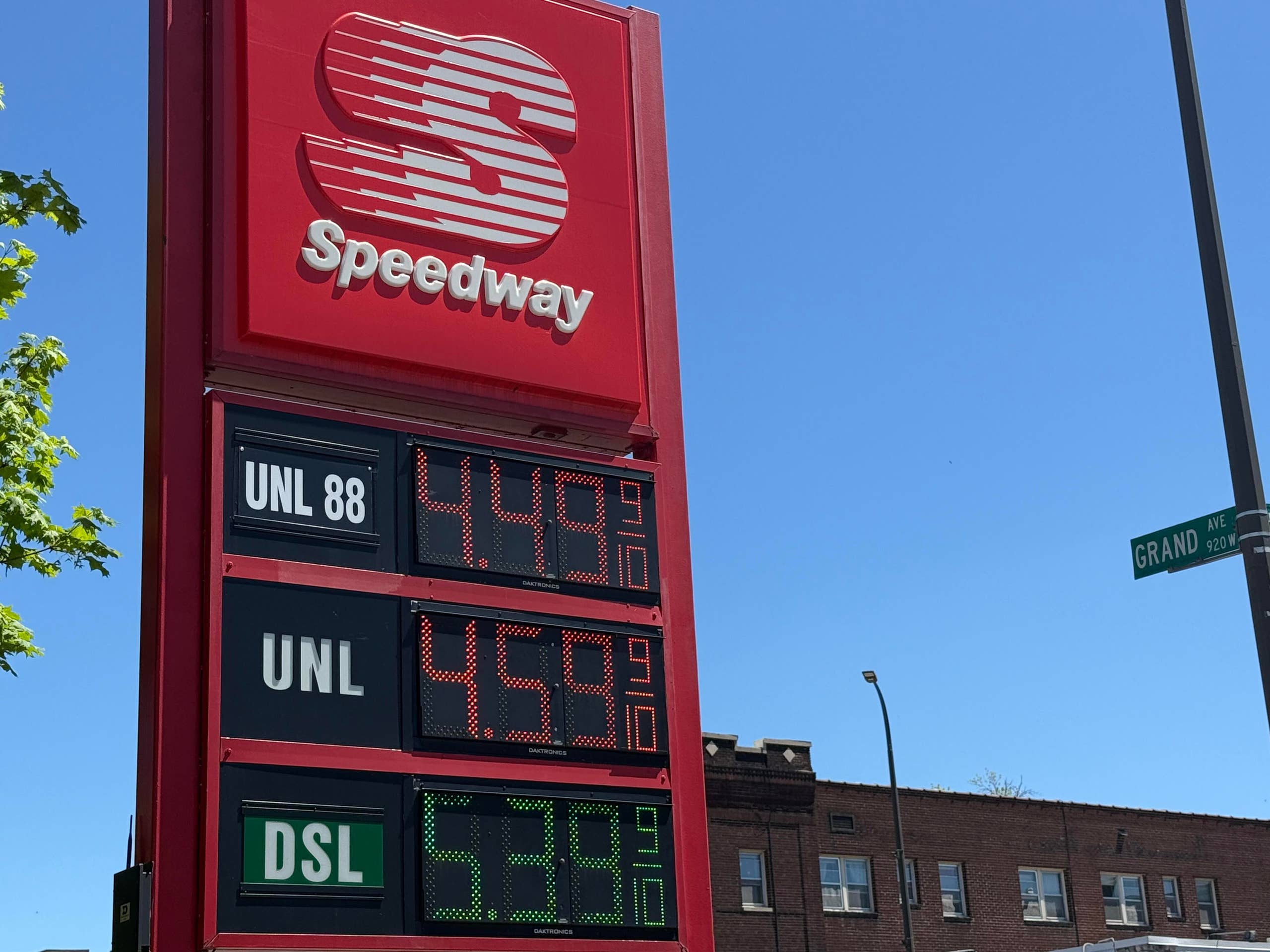
While the Twin Cities often steal the spotlight when it comes to volatile pricing, gas stations in other counties across Minnesota are also feeling the heat. For example, Martin County in southern Minnesota has seen prices reach as high as $4.59 per gallon. This suggests that the factors driving the price surge are widespread, reaching into multiple corners of the state.
In addition to local competition, regional influences are playing a significant role. Refinery issues in nearby states, such as the power outage at a BP refinery in Whiting, Indiana, have contributed to the surge, as have other maintenance disruptions along the fuel supply chain. These disruptions highlight the intricate relationship between local market behavior and the broader refining and supply system that spans across several states.
Unpacking the Contributing Factors: Refinery Disruptions and Global Influences
The reasons behind these steep price increases go beyond local competition. They are also deeply rooted in broader operational challenges, such as the technical problems at refineries. In a recent incident at a BP facility in Whiting, Indiana, a power outage forced the refinery to cease normal operations, causing a ripple effect up the supply chain. Drivers in neighboring states, like Ohio, reported similar issues with empty pumps owing to maintenance work.
These events, though seemingly isolated, have a significant impact. They reveal just how interconnected the fuel industry is, where even a minor hiccup in one area can quickly lead to a dramatic price hike in another. The refining process itself is full of small distinctions and fine shades that can turn a stable pricing scenario into a nerve-racking unpredictability.
How the Strait of Hormuz Situation Plays Into Local Prices
Another key factor adding to this volatile mix is international tension, particularly with regard to the Strait of Hormuz. The prolonged blockage in this critical transit route can have a cascading effect on global fuel supplies. GasBuddy’s analysis suggests that the longer this situation endures, the more Minnesota drivers might experience an incremental rise in prices over the coming weeks.
It is important to note that global energy dynamics always have a way of sneaking into our local markets. Disruptions in international supply chains or increased geopolitical tensions can eventually translate into tangible impacts for local consumers, making the overall situation even more labyrinthine.
Local Market Reactions and Community Concerns
For many Minnesotans, these upward price shifts are not just an economic statistic—they also affect daily life. The community is feeling the brunt of this change, as long commutes and family budgets are suddenly under pressure from new fuel costs. Drivers are increasingly worried that escalating fuel prices might mean higher overall travel expenses and, eventually, a dip in discretionary spending.
Amid this uncertainty, local opinions are divided. Some residents believe the market should stabilize once competing stations exhaust their options for lower pricing, while others are more cautious, anticipating that the rising costs could continue to spiral upward due to underlying systemic issues.
Key Factors Behind Driving Behavior in a Volatile Market
When looking closely at consumer behavior amid these changes, several key factors come to light:
- Budget Management: Every driver is now forced to weigh the cost of fuel against daily commuting needs, often re-thinking household budgets.
- Travel Planning Adjustments: With fuel prices on the rise, many are re-thinking their travel plans or considering alternative transportation methods.
- Sensitivity to Price Shifts: Even small price differentials have a dramatic effect on the local market, prompting many consumers to continuously compare prices among different outlets.
- Impact on Road Trips and Recreational Activities: For those who view travel as a form of escape or leisure, unexpected fuel cost hikes can mean less money available for other adventures.
The above points underscore how critical it is for Minnesota drivers to not only track current fuel prices but also be prepared for further adjustments. These factors, combined with the unpredictable nature of local and global influences, form the basis for an environment where every gas stop can feel like a roll of the dice.
Market Competition and Price Wars: The Microeconomic Side
On a microeconomic scale, the observed price behavior among Twin Cities gas stations indicates a strategy that many market experts point to as a double-edged sword. While competitors undercut each other fiercely to attract drivers, once the prices hit near-cost levels, there is a sudden rebound—a jump that shocks many and leaves long-term customers reeling.
This cycle of lowering prices below sustainable levels and then rapidly spiking them back up reflects the tiny details and hidden complexities behind what might seem to be a straightforward market decision. The practice, known colloquially as “price cycling,” is a tactical move designed to briefly attract customers before a correction must occur for the station’s bottom line.
An informal table summarizing the effects of this strategy might look like this:
| Stage | Price Behavior | Impact on Consumers |
|---|---|---|
| Initial Undercutting | Lower than neighboring stations | Attracts consumers looking for bargains |
| Near-Cost Pricing | Prices drop close to operating costs | Short-term relief that cannot last |
| Rapid Price Rebound | Sudden price jump | Consumer shock and budget strain |
This clear cycle illustrates that while the competitive pricing strategy might seem beneficial initially, its long-term effect is a volatile market that leaves drivers wary and uncertain about future price stability.
Practical Advice: Steering Through the Price Spike
Given this unpredictable environment, what can Minnesota drivers do to better manage the situation? Here are a few key tips for those looking to find their way through these trying times:
- Monitor Pricing Apps: Tools like GasBuddy can provide real-time updates and assist in identifying when and where fuel prices are at their lowest.
- Plan Refueling Routes: Consider planning fuel stops in areas where prices have historically remained more stable, potentially opting for locations outside of the trendier city centers.
- Budget for Fluctuations: Adjust monthly budgets to factor in potential spikes, allowing for a cushion of extra spending when unexpected hikes occur.
- Explore Alternative Transportation: On days when gas prices are particularly high, consider carpooling, public transit, or even off-peak travel times to reduce demand.
Each of these steps helps drivers manage their way through an otherwise nerve-racking fiscal landscape, ensuring that they are not caught off guard by the next price jump.
The Broader Picture and Long-Term Implications
Looking further ahead, it is clear that the current spike is only one chapter in a longer, more complicated narrative on energy pricing in the state. With refining issues and geopolitical factors simultaneously putting pressure on supply chains, Minnesota’s drivers may well find themselves on a bumpy road for the foreseeable future.
There is also the matter of policy. Local and state governments need to consider how best to support consumers during these turbulent times. For instance, initiatives aimed at increasing energy efficiency, supporting alternative fuel infrastructure, or even offering temporary subsidies could help alleviate the burden. Such measures might not only stabilize the market in the short term but also pave the way for a more resilient system in the long run.
In many ways, this situation serves as a reminder of how interconnected our daily routines are with both local market practices and broader global events. The interplay of competitive pricing tactics, technical mishaps at refineries, and international supply disruptions forms a perfect storm that can leave ordinary people feeling overwhelmed and a bit lost.
Travel and Recreation in a Time of Rising Costs
For those who use travel as a way to unwind and explore, the current gas price surge presents an off-putting challenge. Outdoor enthusiasts and families planning road trips now have to factor in these extra costs, potentially re-working itineraries and rethinking travel budgets.
However, there is a silver lining: rising costs also encourage us to be more resourceful in planning, potentially turning a routine trip into an adventure marked by careful budgeting and creative route planning. Here are some constructive ideas for managing travel during such times:
- Embrace Local Exploration: Instead of long, expensive road trips, consider discovering hidden gems within your own county or nearby regions.
- Group Travel Options: Carpooling or organizing group trips can not only reduce fuel expenditure per person but also add a social, community feel to your adventures.
- Flexible Scheduling: If your schedule allows, plan trips during off-peak hours or days when fuel prices tend to drop, making the journey a bit less nerve-racking on the wallet.
- Hybrid and Electric Alternatives: This might be a good time to evaluate alternative vehicles. Although the transition can be intimidating initially, the long-term savings and environmental benefits are super important.
By adopting these strategies and staying informed, many travelers can still look forward to enjoying the open road, even if the environment is currently loaded with issues.
Economic Considerations for the State and Its Residents
The impact of these rising fuel costs goes well beyond the individual consumer. When gas prices climb, there’s a ripple effect that touches many sectors of the local economy. Increased transportation costs can contribute to higher prices for goods, additional stress on supply chains, and even influence local business operations.
Examining these economic effects reveals a tapestry of small distinctions, each of which adds up to a considerable strain on the overall economy. Here are some of the key economic considerations:
- Increased Operational Costs: For local businesses that rely on transportation, higher fuel prices translate into higher operating expenses, which can be passed on to consumers through increased prices for goods and services.
- Impact on Public Services: Government agencies and public service providers may see a spike in their budgetary requirements as transportation costs rise, which could, in turn, affect public projects and services.
- Consumer Spending Shift: With more money spent on fuel, households might cut back on other expenditures, leading to a slowdown in certain sectors such as retail and dining.
- Regional Economic Balances: Areas that are already struggling economically may find the situation even more intimidating, widening the gap between different regions within the state.
A diagram can help illustrate these connections:
| Sector | Impact |
|---|---|
| Transportation | Direct rise in fuel costs, affecting commute and logistics |
| Retail | Higher operating costs lead to increased product prices |
| Public Services | Budgetary strains result in potential cutbacks or reallocation of funds |
| Household Budgets | More money spent on fuel means less disposable income for other needs |
Understanding these economic forces is critical as policymakers and community leaders work on strategies to help the public manage these challenging times.
Policy and Local Government: Steering Through the Challenges
The ongoing conversation about fuel pricing inevitably leads to questions about the roles of regulation and local government policies. As drivers face unpredictable fuel costs, there is growing pressure on policymakers to consider interventions that might alleviate the burden.
While many argue that market forces should prevail, it is equally important to recognize that there are certain critical moments when government actions can help stabilize a market reeling from sudden shocks. Some potential policy responses include:
- Subsidies or Temporary Tax Relief: Offering relief measures for consumers might help soften the immediate financial impact of these price jumps.
- Enhanced Transparency Requirements: Encouraging gas stations to provide clearer pricing information and explanation about their pricing strategies could help demystify the abrupt changes.
- Investment in Alternative Fuels: Promoting infrastructure for electric vehicles and alternative fuel sources can reduce the community’s long-term reliance on traditional gasoline, creating a more diverse energy landscape.
- Support for Local Refining Capabilities: Strengthening the local refining industry might reduce dependence on interstate supply chains, mitigating the risk associated with external refinery disruptions.
These measures, if implemented effectively, could help manage the current situation while also laying a foundation for a more resilient fuel market in the years to come.
Community Voices: How Residents Are Responding
The human element in this volatile market situation is crucial. Many residents of Minnesota are understandably worried about how rising gas prices may affect their day-to-day lives. Conversations around community forums, social media groups, and local meetings have become a platform for sharing experiences, advice, and even frustrations regarding these sudden cost hikes.
Common themes in these community conversations include:
- Coping Strategies: Many residents share tips on how they adjust their petrol budgets while still managing their regular routines.
- Local Alternatives: Some community members suggest exploring alternative fuel sources or even public transit options as a way to circumvent the fluctuating fuel costs.
- Concern for the Future: There is a prevailing sense of uncertainty regarding whether these highs will stabilize or continue to rise, urging local leaders and residents alike to seek deeper insight into the market’s direction.
The collective voice of the community reflects a mix of resilience and caution. Fueled by the desire to find practical solutions, local residents continue to emphasize the need for both personal preparedness and governmental support, especially in times when every little twist and subtle detail in the market counts.
What the Future Holds for Minnesota’s Fuel Market
Predicting the future in an environment that is loaded with issues is always a challenge. However, several trends suggest that the current volatility is unlikely to be just a short-term aberration. Factors to consider include:
- Ongoing Refinery Issues: If disruptions at regional refineries continue, the pressure on local gas prices is likely to persist for some time.
- Global Geopolitical Tensions: As long as international conflicts or blockages—such as those affecting strategic routes like the Strait of Hormuz—remain unresolved, the ripple effects will be felt virtually everywhere.
- Market Competition Dynamics: The competitive tactics currently observed in the Twin Cities are a double-edged sword. While they bring short-term benefits, these strategies might lead to further instability as stations quickly hit the roof after undercutting rivals.
- Consumer Adaptation: As drivers become more adept at using technology to track prices and adjust routes, there might be a gradual evolution towards a more informed market. However, this shift will require time—and in the meantime, the current uncertainty remains.
For state policymakers and business operators alike, these considerations underline the importance of staying proactive rather than simply reacting to each sudden spike. By taking a closer look at these factors and working together, there is hope that Minnesota can eventually find a more stable footing in its fuel market.
Lessons Learned: Adapting to a Shifting Landscape
The recent experience with escalating fuel prices offers several important lessons for Minnesota residents. Beyond the obvious financial challenges, the situation prompts us to think about resilience in a broader sense and how we can be better prepared for similar shocks in the future.
Key takeaways include:
- Flexibility Is Key: Whether it’s adjusting daily commutes or re-thinking travel plans, being flexible can mitigate some of the disruptive effects of sudden price changes.
- Stay Informed: Leveraging tools and community resources to keep abreast of pricing trends can provide a valuable advantage in this unpredictable market.
- Community Solidarity: Mutual support among local drivers, businesses, and policymakers can lead to innovative solutions that ease the burden on everyone.
- Consider Long-Term Alternatives: Exploring and investing in alternative modes of transportation—whether through public transit improvements or the gradual adoption of electric vehicles—might be a smart move toward future stability.
Each of these lessons emphasizes that although the current scenario is undeniably intimidating, there are multiple ways to find your path through the difficult times. By learning from this experience, Minnesota can work toward creating a more robust and resilient framework for coping with sudden market shifts.
Preparing for the Unexpected: Tips for the Road Ahead
The unpredictable nature of gas prices means that drivers and travelers must keep a few practical tips in mind to help manage their journeys effectively. As we work through these complicated pieces together, here are some straightforward ideas to consider:
- Plan Ahead: Factor in potential price hikes when scheduling trips. This might mean filling up your tank ahead of time if prices are forecast to rise later in the day.
- Use Technology: Rely on apps and websites to track current fuel prices in your area, ensuring that you always know where the best deals are.
- Budget for Fluctuations: Consider setting aside an emergency fund that can help absorb the shock of unexpected fuel surcharges.
- Car Maintenance: Keeping your vehicle well-maintained can improve fuel efficiency, offering a small but critical buffer against high gas prices.
- Join a Carpool: Sharing rides with friends or colleagues can decrease individual fuel expenses, benefiting both your wallet and the environment.
These simple strategies, while not a cure-all, can help ease the strain of a market notorious for its sudden twists and turns. By taking these steps, drivers can better manage their budgets and continue to enjoy the freedom of the open road.
Community Resources and the Role of Shared Information
In times of economic uncertainty, a well-informed community is the best defense against the overwhelming effects of rapid changes. Community resources—whether local news outlets, neighborhood groups, or online forums—play a pivotal role in ensuring that accurate, timely information reaches everyone.
Shared information not only helps individuals make better-informed decisions but also encourages collective action when necessary. For instance, if multiple communities report similar pricing trends, there might be an opportunity for local leaders to address the issue on a broader scale. In many ways, staying connected and informed helps demystify the hidden complexities behind these market behaviors.
For those looking to build such a network, consider these steps:
- Subscribe to Local Newsletters: Stay updated on both economic news and community events through tailored local bulletins.
- Participate in Community Meetings: Sharing experiences and ideas in local forums can foster a more unified approach to dealing with rising prices.
- Engage on Social Media: Use platforms to compare prices, share recent trends, and disseminate important updates within local areas.
- Support Local Initiatives: Get involved in local projects that encourage efficient fuel use and alternative transportation solutions.
This spirit of community collaboration is more than just about pooling resources—it’s about working through the trying moments together and finding innovative paths that can benefit everyone in the long run.
Final Thoughts: Finding a Path Through the Turbulence
As we take a closer look at the situation, it is clear that Minnesota’s current struggle with rising gas prices is a multifaceted challenge—a confluence of short-term pricing tactics, regional refining issues, and broader global tensions. While the immediate impact is overwhelming for many, it also offers an opportunity to learn, adapt, and ultimately build a stronger system for the future.
This opinion editorial is not meant to cast blame but rather to shine a light on the hidden complexities behind what might seem at first to be a simple price tag. By understanding the fine points of price cycling, the small twists of regional supply chain disruptions, and the subtle parts of market competition, both policy makers and everyday drivers can better figure a path through these murky waters.
In the end, the current gas price spike serves as a critical reminder of the interconnected nature of our economy. Each rise at the pump is a small indicator of larger economic shifts—a reminder that what happens in a refinery in Indiana or across international shipping lanes can have a real, tangible effect on our daily lives. As we all work through these overwhelming issues, staying informed, flexible, and united as a community is more essential than ever.
While the twists and turns of the fuel market can often feel confusing and even a bit nerve-racking, the situation also offers a chance for change—a chance to explore alternative resources, enhance community cooperation, and encourage smart governmental policies. For Minnesota and its residents, the journey ahead is a collective effort, one where each small step toward understanding and adaptation can lead to a larger, positive impact on both personal finances and the state’s economic stability.
Looking ahead, let us take this moment as a call to action: to continue monitoring the subtle details, to support the measures that can bring about lasting stability, and to keep sharing useful information with one another. In a world where every price change and policy decision can have a domino effect, it is our shared knowledge and resilience that will ultimately steer us through even the most intimidating of times.
As we move forward, let’s embrace this challenge as an opportunity—not only to manage our way through rising gas prices but also to innovate and grow as a community. Whether by wisely planning our daily routes or participating in broader economic discussions, every effort counts in building a better, more secure future for all drivers across Minnesota.
In conclusion, while the current fuel market scenario may appear tangled with issues and unexpected jumps, it also opens the door to meaningful dialogue and proactive strategies. By collectively learning the fine points of this volatile process and actively contributing to solutions, we can ensure that Minnesota’s road ahead is paved with informed decisions, balanced policies, and a community that stands strong even in times when the price of gas sends shockwaves through our daily lives.
Originally Post From https://www.mprnews.org/story/2026/05/14/gas-prices-spiking-minnesota-analyst-explains
Read more about this topic at
What drives gas price volatility and how it impacts US …
Natural gas price volatility fell over the first half of 2025