Michigan’s Water Woes and Legal Showdown: An In-Depth Opinion on the Edenville Dam Failure
The state of Michigan is now facing one of the most nerve-racking legal battles in its recent history—a class action and mass-tort lawsuit stemming from the dramatic 2020 Edenville and Sanford dam failures. As thousands of flood victims prepare to take the state into court, this trial represents not only a quest for accountability but also a broader commentary on how government oversight is managed when it comes to the safety of public infrastructure.
Five years after the catastrophic failure that led to widespread devastation along the Tittabawasee River, the issues surrounding clouded responsibility, dilapidated infrastructure, and delayed justice continue to ripple across Midland, Gladwin, and Saginaw counties. The legal battle now unfolding in January is poised to challenge the state’s longstanding practices and provoke a reexamination of procedures for managing public safety, environmental protection, and community well-being.
Tragic Backdrop: The Flood that Changed Michigan Forever
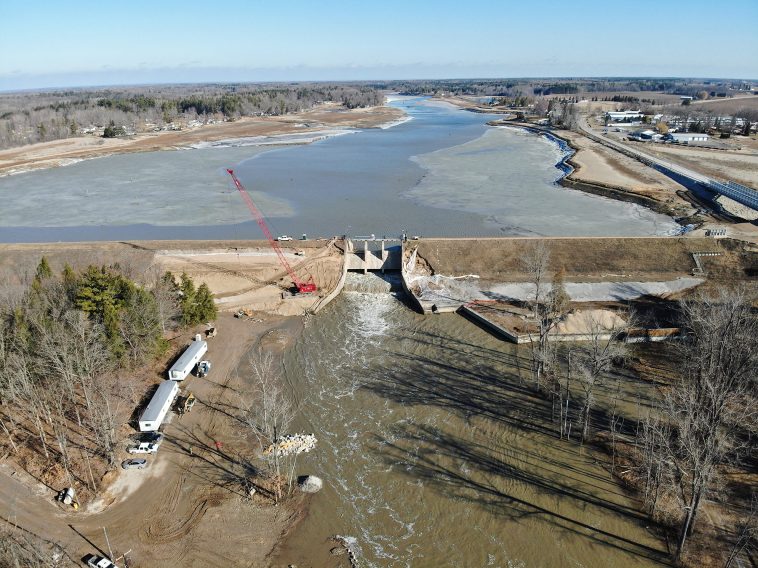
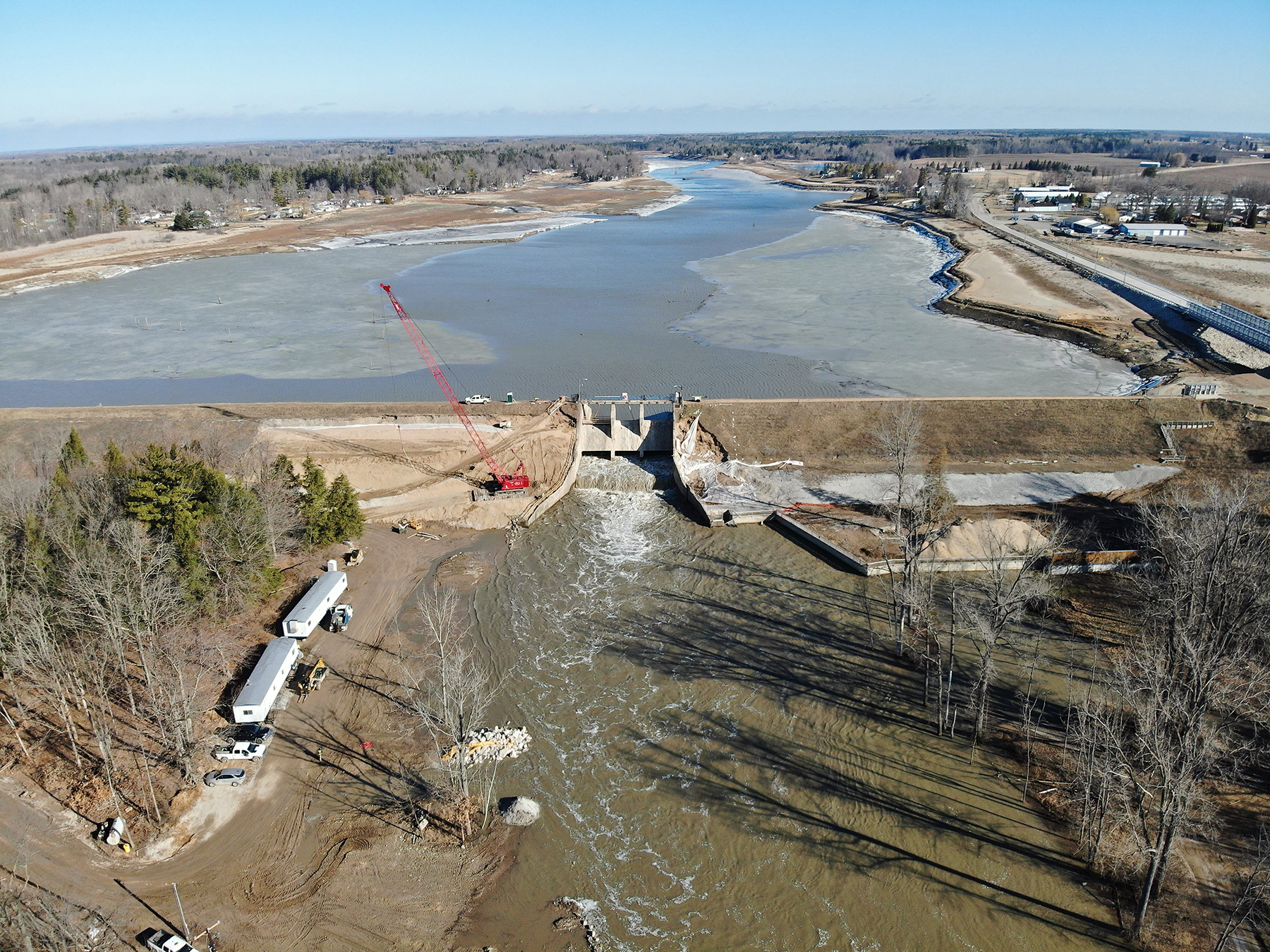
In May 2020, torrential rains overwhelmed the region, setting off a chain reaction that would forever alter the lives of thousands. Shortly after the Edenville dam breached, its neighboring Sanford dam followed, triggering a surge that not only submerged entire communities but also left behind a harrowing trail of destruction. Homeowners, small businesses, and entire neighborhoods were decimated by the floodwaters—resulting in estimated losses of around $175 million in flood damage once the waters receded.
The cascading effects of the dam failures provided a stark reminder of how fragile life can be when natural events expose the hidden, tangled issues in our aging infrastructure. In communities that depended on these dams for flood control and recreational benefits, the impact was immediate and long-lasting. For many residents, the struggle to rebuild goes far beyond financial loss—it is an emotional and physical test of resilience, community spirit, and the belief in institutional justice.
Massive Legal Undertakings: Understanding the Lawsuit Against the State
Today, the flood victims, represented by a team of mass-tort attorneys, are gearing up for a trial that promises to dig into the complications of state accountability. The legal team argues that not only did the private dam owners fail due to mismanagement of aging structures, but state agencies—the Department of Natural Resources and the Department of Environment, Great Lakes and Energy—also share the blame by neglecting proper oversight.
This lawsuit is more than a search for monetary compensation. It is a clarion call to reexamine how government agencies handle their key responsibilities over public infrastructure. Attorney Ven Johnson, one of the lead attorneys in the case, has voiced the sentiment that residents were essentially “taken advantage of” by a system that has allowed delays and obfuscation to run rampant. According to Johnson, evidence gathered so far clearly indicates that life-altering mismanagement occurred and that the state’s behavior during and after the crisis was laden with delays and obstructions.
Accountability and Overlooked Warning Signs
Reports released over the past years have painted a troubling picture. A comprehensive 500-page report from the Federal Energy Regulatory Commission, published in 2022, revealed that the dam breaches were both foreseeable and preventable. The report pinpointed mismanagement by Boyce Hydro—then the owner of the dams—as a key factor. However, when Boyce Hydro’s bankruptcy claim was rejected in Las Vegas in 2024, the focus shifted squarely onto state agencies and their oversight capabilities.
Many in the community argue that for nearly two years prior to the dam failures, state entities had jurisdiction over these key infrastructures. Warnings were raised repeatedly, with experts and residents alike cautioning that the water levels in Wixom Lake were perilously high. Despite these red flags, decisive action was not taken. The delay in addressing the problematic conditions now stands as a painful testament to bureaucratic delays that have, in many respects, left residents in a seemingly endless cycle of rebuilding and legal battles.
Community Resilience in the Wake of Disaster
Amid the stark legal debates and the oppressive shadow of state negligence, community stories shine as beacons of resilience. Individuals like Sanford village commissioner Carl Hamann have shared personal accounts of loss and remarkable perseverance. “I turned 65 and lost everything I owned,” he lamented, describing the daunting task of piecing together a life that was fragmented by tragedy. Hamann’s story is not unique; it is echoed in the voices of countless souls who now face the tangled issues of rebuilding homes and lives from the ruins.
Rebuilding is never just about reconstructing physical structures—it’s about healing communities and restoring faith in public institutions. The trial is not just a legal matter; it symbolizes an attempt to mend the emotional and social fabric of communities that have been systematically battered by negligence and inaction. When legal experts point out that decisions have been bogged down by strategic delays using special state privileges, it fuels a broader discourse on the balance of power between residents and their government.
Legal Tactics and Deliberate Delays: How the State Has Slowed the Process
One of the most contentious aspects of this case is the state’s tactical use of legal provisions that allow for instant appeals. Over the past five years, these moves have effectively stalled broader legal action by postponing crucial examinations of evidence and witness testimony. The state’s legal team has successfully delayed trial progression by having judges deny attempts to exclude key pieces of evidence, including simulated recreations of the Edenville dam failure. This intentional strategy, as described by attorneys representing the victims, not only prolongs the suffering of those affected but also poses a fundamental question: how can true justice be served when the machinery of government seems designed to delay accountability?
The following bullet list summarizes some of the key legal tactics observed in this case:
- Immediate appeals to judicial decisions following unfavorable rulings
- Efforts to limit the presentation of evidence and witness testimonies
- Strategic motions to dismiss the case entirely on procedural grounds
- Repetitive court actions that effectively extend the litigation process
For many victims, these tactics feel like a cold, hard slap in the face—a tactic whereby big business and government appear to band together to slow down the wheels of justice. The overwhelming sentiment among residents is that this case is not merely about personal compensation but a litmus test on whether the state will stand by its post-crisis responsibilities.
Government Oversight and Responsibility: Examining the Fine Points
A core issue repeatedly raised during the legal proceedings is the extent of the state’s responsibility. The lawsuit argues that state agencies had a key role in monitoring and enforcing safety measures for the dams, and by failing to do so, they allowed conditions to deteriorate to a catastrophic state. In essence, when experts and regulators warned that the dams might fail and mentioned that water levels in Wixom Lake were dangerously above legal limits, the state did not take sufficient action. This passivity, as many argue, directly contributed to the calamity.
In a recent court order that granted class-action status, it was clearly stated that state agencies dispute any claims of culpability. The Michigan Attorney General’s office has maintained that the state was simply enforcing regulations against the private dam owners, rather than actively managing the dams’ maintenance. Their spokesperson, Kimberly Bush, insisted that the state’s actions—when seen through the lens of previous lawsuits—were entirely in line with established protocols and supported by past evidence.
However, residents and their attorneys have a different perspective. They contend that the fine details of government oversight, which include the subtle parts of policy enforcement, reveal a state that knowingly overlooked dangerous conditions for far too long. This situation highlights the little twists in bureaucratic decision-making, where a blend of delayed responsibility, mismanagement, and regulatory loopholes can result in truly devastating outcomes.
Environmental and Infrastructure Implications: More Than Just a Legal Battle
Beyond the legal fracas, the environmental and infrastructure fallout of the 2020 dam failures continues to be felt. Following the catastrophic flooding, the landscape around Wixom Lake was irrevocably altered. Tall grass, cattails, and other vegetation have overtaken what was once a bustling, dynamic body of water, symbolizing nature’s slow reclamation of a space marred by human error. The environmental ramifications of such a transformation go far beyond aesthetic changes; they signal a shift in local ecosystems that can influence recreational opportunities, wildlife habitats, and even community tourism.
This transformation raises important questions about environmental stewardship on a local scale. Future policy decisions must consider not only how to prevent similar disasters but also how to restore and manage natural resources post-disaster. In this context, the trial could serve as a catalyst for more stringent environmental oversight and improved highway safety protocols, as well as clearer responsibilities assigned to state agencies.
Rebuilding and Resilience: The Ongoing Struggle of a Community
At its heart, this trial is about the people of Michigan—the homeowners and business owners who are piecing together their lives after a calamity of unimaginable proportions. The struggle of individuals like Carl Hamann, who recounts having “rebuilt [his] house mostly by [himself],” paints a vivid picture of community resilience. Despite the overwhelming odds, these residents are forging ahead, even as they contend with both the physical and psychological scars left behind.
For those now engaged in the court battle, the litigation is also a fight for recognition of their rights. In essence, the trial is a platform for voices that have been muted by bureaucratic delays and policy missteps. It is about restoring faith in public institutions and ensuring that such mistakes are not repeated in the future. Whether through small gestures of community support or sweeping changes in administrative practices, the hope is that from this tragedy, larger, more sustainable mechanisms for public oversight can emerge.
Lessons from the Past: Recognizing Warning Signs and Acting Early
In retrospect, there were multiple indicators that the destructive chain of events was looming long before the actual failures occurred. Expert warnings about the safety of the dams were abundant, yet they went largely unaddressed until disaster struck. This raises critical questions about how regulatory agencies identify and manage potential hazards. For those involved in public safety and environmental oversight, it is essential to figure a path that not only addresses current issues but also anticipates future challenges.
The issue here is not just about the oversight of physical structures, but also about how bureaucracy handles signals in advance. A table summarizing these warning signs may provide clarity:
| Warning Sign | Implication | Required Action |
|---|---|---|
| High water levels above legal limits | Increased risk of dam failure | Immediate intervention and monitoring |
| Aging infrastructure | Potential for structural decay | Timely maintenance and upgrades |
| Repeated expert warnings | Foreseeable risk of catastrophic failure | Proactive risk management measures |
| Lack of timely response | Compounded damage and loss | Streamlined government action plans |
This table lays out the straightforward yet critical steps that should have been taken before warning signs escalated into a full-blown catastrophe. The challenge now is for policymakers to take these lessons to heart so that communities do not continue to navigate or figure a path through such preventable tragedies.
The Bigger Picture: Government, Business, and Responsibility
The interplay between government oversight and private enterprise is at the heart of this legal dispute. While Boyce Hydro’s mismanagement has been well documented, once the state assumed jurisdiction over the safety of these dams, residents expected more robust action. Instead, a series of legal maneuvers and delays have given the impression that protecting corporate interests sometimes takes precedence over public safety.
Attorney Ven Johnson summarizes this sentiment with poignant clarity: “If a government can do this to you and get away with it, I think we’re in real trouble.” His observation rings true for many residents who now feel that the twists and turns of bureaucratic decision-making have left them unprotected. The delicate balance between encouraging investment and ensuring safety has tipped too far in favor of the former, leaving local communities to bear the brunt of the mismanaged crisis.
While the state’s spokesperson, Kimberly Bush, defends the agency’s actions as supported by past evidence, the broader narrative remains one of a system that appears to use its governing powers to stall and delay genuine progress. This stand-off not only sows doubt about the state’s commitment to protecting its residents in times of crisis but also challenges the public to demand clearer guidelines and tighter oversight for critical infrastructure in the future.
Looking Ahead: The Impact of the Trial on Future Policy Reforms
As the trial commences, its outcome could very well determine the future landscape of state accountability and oversight in Michigan. The legal proceedings are expected to shine a spotlight on the little details of government oversight regarding public infrastructure safety. If the verdict ultimately condemns the state’s actions (or lack thereof), it could trigger a series of reforms aimed at ensuring similar disasters are avoided in the future.
This case is emblematic of the greater societal demand for transparency and responsiveness from public officials. Observers argue that meaningful reform is not only imperative to provide compensation and justice for affected residents but also common sense for preventing future tragedies. The hope is that lessons from the Edenville dam failure will catalyze key changes, including:
- Stricter enforcement of safety standards for aging infrastructure
- Improved coordination between state agencies and private companies
- Enhanced monitoring of environmental indicators such as water levels
- Faster, more decisive government action in response to early warnings
If these measures are implemented effectively, future emergencies may be addressed with the necessary urgency rather than endless legal wrangling. In this way, the trial could mark a pivotal moment not only in Michigan’s history but in strengthening how government institutions are held accountable for public safety.
Community Voices: Personal Stories and Local Impact
No legal debate can fully capture the human cost of such a disaster. For many, the Edenville dam failure was a life-altering event—a moment when the safety nets they once took for granted suddenly vanished. Local stories of loss, resilience, and the relentless struggle to rebuild have become emblematic of an entire community’s endurance. Individuals who lost everything are now clinging to the hope that their voices will finally be heard in court, and that the government will be held to account for the overwhelming damage wrought by inaction.
Take, for instance, the case of a resident who watched in dismay as years of hard work and cherished memories were swept away by treacherous waters. The crippling loss of property and personal belongings is compounded by the lingering distrust in institutions that were meant to protect citizens from exactly such tragedies. These personal narratives act as a powerful reminder that behind every legal statistic lies a community filled with stories of struggle and survival.
Moving Forward: Suggestions for Effective Disaster Management
This trial should serve as a wake-up call for policymakers, regulators, and community leaders alike. As residents and legal experts take a closer look at the tangled issues surrounding the state’s oversight—and its apparent readiness to delay accountability—new strategies must be developed to reduce future risk. Here are some suggestions for drafting more effective disaster management policies:
- Early Warning Systems: Implement technology-driven systems that alert both authorities and residents about dangerous conditions, such as rising water levels, so that quick action can be taken.
- Transparent Maintenance Schedules: Develop clear, publicly accessible records of dam inspections, maintenance schedules, and repair actions to hold private and public entities accountable.
- Improved Coordination: Strengthen communication between state agencies and private infrastructure operators to ensure that safety measures are promptly implemented when necessary.
- Legislative Reforms: Evaluate and revise special provisions that allow state agencies to delay legal proceedings, ensuring that these do not become a convenient shield against accountability.
These strategies, if properly implemented, could save communities from facing overwhelming and confusing bits of legal entanglements after a disaster strikes. They would also help ensure that every citizen’s call for help is met with swift and decisive action, rather than a barrage of appeals and legal maneuvers.
Comparing Past and Present: How Previous Floods Inform Today’s Challenges
Michigan has a history marked by flood events—a series of moments when both natural and human-controlled systems failed to protect communities. When comparing past flood responses with the current situation, a pattern emerges that underscores both progress and persistent gaps. On one hand, advancements in early warning systems and emergency preparation have saved countless lives; on the other, the unpredictable nature of aging infrastructure and bureaucratic delays remains a troubling constant.
A closer look at previous flood events reveals several key takeaways that should inform today’s legal and policy debates:
- Learning from Experience: Prior disasters highlighted the necessity of periodic infrastructure assessments. Without scenarios that allow for honest appraisals of potential failure, warnings remain unheeded.
- Community Involvement: In many past events, local voices and community organizations played a crucial role in identifying early issues. Enhancing local involvement in decision-making processes can bridge the gap between government actions and community needs.
- Rapid Response Protocols: Successful interventions during earlier floods were often characterized by immediate and coordinated responses. Implementing rigid protocols may help reduce the overwhelming aftermath of a disaster.
By comparing the 2020 dam failures to previous incidents, it becomes clear that while we have the technology and resources to prevent such disasters, the state and its partners often find themselves stalled by legal and bureaucratic roadblocks. It is a clear call for reform—one that the coming trial may help to catalyze.
Public Trust and the Future of Government Accountability
At the core of the ongoing debate is the issue of public trust. When communities see a government delaying action through strategic use of legal procedures, their faith in the system erodes rapidly. This situation is not merely about a single failure of infrastructure—it symbolizes a broader disconnect between what residents expect from their government and what is actually delivered.
Public trust can only be restored when accountability is both transparent and swift. The trial, in this sense, stands as a poignant reminder that every delay, every legal loophole exploited, chips away at the communal bond between the state and its citizens. The outcome will likely influence future policies, making it critically important for state agencies to reassess how they manage and communicate their actions during emergencies.
Final Thoughts: A Pivotal Moment in Michigan’s History
In many ways, the trial over the Edenville dam failure marks a turning point—not just for the affected communities but for the broader state apparatus that governs public safety and environmental protection. As legal experts, community members, and policymakers take a closer look at every twist and turn of this case, the hope is that recognition will finally dawn on the need for radical change.
Residents continue to rebuild amid overwhelming challenges, and their persistent stories of loss and resilience beckon the state to face its responsibilities head-on. As this trial unfolds over the coming months, it remains to be seen whether justice will be served or if further delays will only compound the bitter taste of past mismanagement.
There are several key takeaways that we, as concerned citizens, can draw from this drawn-out saga:
- The need for improved infrastructure maintenance systems that can promptly address early warning signs.
- A reevaluation of legal tactics that have allowed the state to postpone necessary accountability mechanisms.
- The important role of clear communication and coordination between government entities and local communities.
- The urgency of translating lessons from past disasters into concrete policy reforms that protect vulnerable citizens.
In closing, it is essential to emphasize that this trial is not solely about the dollar amounts or legal victories in a courtroom. It is about dignity, accountability, and the unwavering determination of communities to reclaim and rebuild their lives. As residents look to the future, they demand more than just compensation—they call for sincere reforms that will prevent history from repeating itself.
Reflections on the Road Ahead: Policy Reforms and Community Empowerment
The discussions through this trial point to a broader conversation about how to balance economic development, government oversight, and community safety. Effective policy reforms require taking a closer look at the tricky parts of bureaucratic decision-making and ensuring that small distinctions—in the legal and administrative fine points—are addressed with precision and urgency.
For community leaders and policymakers alike, the upcoming months provide an essential window of opportunity to sort out the tangled issues of responsibility and safeguard lives against future repetitive tragedies. Here are some steps that can pave the way:
- Enhanced Regulatory Frameworks: Legislation should clearly outline the responsibilities of state agencies in overseeing dam safety, with mechanisms to hold errant officials accountable.
- Community Safety Initiatives: Structured programs that empower local residents with environmental monitoring tools can help bridge the gap between state oversight and day-to-day community life.
- Transparent Reporting: Both state agencies and private entities must commit to publishing periodic, comprehensive reports on infrastructure health, thereby reducing the room for overlooked danger signals.
- Streamlined Legal Processes: Revisiting provisions that allow indefinite delays in litigation could help mitigate prolonged periods of uncertainty for affected residents.
Implementing such reforms will not erase the suffering endured by the thousands affected by the dam failures. However, these measures represent a super important step towards creating a safer, more accountable system—one that respects both the individual’s right to security and the government’s duty to protect its citizens.
Conclusion: A Call for Accountability and Action
As Michigan braces for the trial that represents a pivotal moment in its history, one thing remains indisputably clear: the voices of the affected residents will not be silenced by legal delays or bureaucratic maneuvers. Their personal stories, built on the foundation of tremendous loss and relentless perseverance, demand thorough scrutiny over every confusing bit of oversight and every nerve-racking delay in the judicial process.
Whether you are a local resident, a legal observer, or simply a concerned citizen, it is essential to acknowledge that this trial is a microcosm of the greater struggle for accountability in public life. For too long, stringent protocols and tangled layers of bureaucracy have rendered the voices of the people background noise amid the clamor of big business and state interests.
The coming months will test not only the resilience of Michigan’s judicial system but also the spirit of its citizens. Let us hope that out of this trial emerges a more responsive, responsible, and transparent framework that honors the rights of those affected and sets a precedent for future disaster management.
In a time when every decision can mean the difference between safety and catastrophe, our collective future depends on our ability to learn from these overwhelming challenges and ensure that such events never repeat. The journey ahead may be filled with complicated pieces and nerve-racking uncertainties, but it is a journey that demands that we take the wheel and demand real accountability.
Ultimately, the trial over the Edenville dam failure is not just about a legal resolution—it is about reaffirming our commitment to public safety, environmental integrity, and holding all parties accountable when the stakes are as high as the well-being of entire communities. The hope is that by addressing the fine points of what went wrong, Michigan can build a future that is not only safer but also infused with the resilience and hope that its people so richly deserve.
Originally Post From https://radio.wcmu.org/local-regional-news/2026-01-02/state-faces-trial-over-2020-edenville-dam-failure?_amp=true
Read more about this topic at
Ownership Responsibility and Liability
LEGAL LIABILITY FOR DAM FAILURES