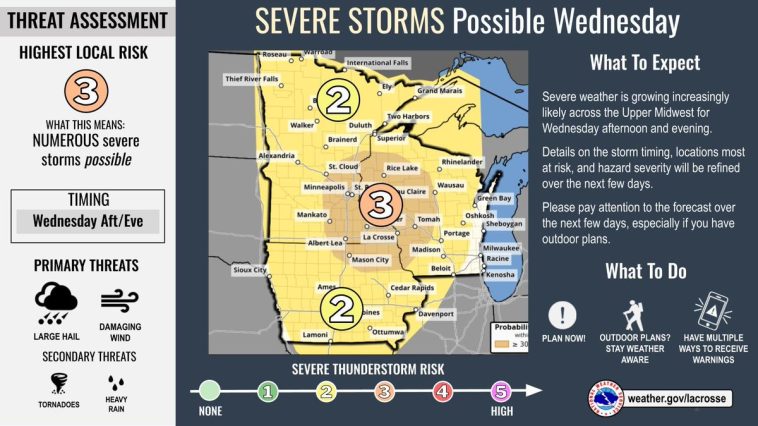

Severe Weather in the Upper Midwest and Central Plains: A Closer Look at Nature’s Fury
The recent storm outbreaks across the Upper Midwest and Central Plains have not only disrupted normal life but also reminded us that nature is full of surprising twists and turns. As I reflect on these developments, I find that these events carry a message for anyone who ventures outdoors or intends to travel across these regions. With strong tornadoes, large hail, and intense wind gusts reported, the severity of these conditions is a stern reminder that while nature is awe-inspiring, it also demands respect.
The storms we are witnessing are more than just fleeting weather changes; they provide a window into the challenging parts of meteorology and the ever-evolving dance between human activity and natural forces. While meteorologists outline the potential damages and disruptions, there is also a crucial side to this story: the impact on travel, recreation, and the way communities come together during such nerve-racking times.
Weather Travel Warnings During Storm Season
In light of these events, many are asking how to make your way safely when engaging in any kind of travel or outdoor recreation. It’s crucial to pay attention to local updates and official resources, particularly around major urban centers like Chicago, where the risk of severe tornadoes, large hail, and damaging winds is evident. As travelers and outdoor enthusiasts, we must remember that safety is the key to enjoying any trip, especially when the weather conditions shift quickly.
Official weather updates inform us that the peak threat may persist from early evening well into the night. This risk extends beyond the initial hours of the storm, potentially impacting overnight travel and even recreational activities planned for the following day. The local National Weather Service office warns of tornadoes rated EF2 and above, alongside large hail that can exceed two inches in diameter and wind gusts reaching speeds of over 75 mph. Clearly, these are not trivial concerns for anyone who finds themselves on the roads or exploring the landscape during storm season.
Understanding the Nitty-Gritty of Meteorology and Severe Weather
Taking a closer look at the meteorological reports, there’s a mix of detailed technical information and public safety guidelines that help us navigate these tricky bits of weather forecasting. The forecast highlights two primary phases of storm activity—one in the early evening and another that may follow into the late hours. Both phases have their own set of hazards, from the dazzling yet intimidating spectacle of a tornado with a Particularly Dangerous Situation (PDS) to the more subtle, yet still disruptive, changes in wind and hail conditions.
For those of us who like to figure a path through our travel plans, understanding these details can make all the difference. The weather updates suggest that while the tornado threat subsides near sunset, the risk of large hail and damaging winds remains significant. This creates a complicated scenario for anyone who relies on a stable forecast to plan activities or travel routes. It serves as a reminder that even once the worst of the storm has passed, the aftermath—unstable power grids, continuing heavy rains, and other residual effects—can continue to affect travel plans and daily routines.
Travel Safety Tips in Storm-Prone Regions
While severe weather events inherently bring an off-putting level of stress, thoughtful preparation can ease many of the worrying aspects. Here are some practical pointers to help you manage your way through storm seasons, whether you are a seasoned traveler or simply planning a short trip:
- Stay Updated: Regularly check local weather forecasts through reliable apps and trusted news outlets for the latest warnings and changes.
- Charge and Prepare: With an increasing number of power outages reported across the region, ensure that your devices are charged, and have backup power solutions if possible.
- Plan Shelter: If you’re staying in an area prone to frequent storms, consider accommodations on the lowest floors and plan for secure indoor spaces away from potential hazards like large windows or nearby trees.
- Know Emergency Procedures: Familiarize yourself with local emergency protocols so you can respond quickly if severe weather unexpectedly complicates your plans.
- Check Travel Routes: Before you hit the road, cross-check your intended route for any reported hazards or road closures, especially in areas known for intense storm activity.
These simple yet critical steps can help you get into a safer mindset and manage your plans even when the weather appears unpredictable. No matter how prepared we think we are, nature’s power is humbling—yet with the right approach, it is possible to travel safely and responsibly.
Lessons from Storms: How Communities Unite During Tough Times
One of the most encouraging aspects of these storm events is the way communities band together. While the immediate consequence of a storm is often power outages, property damage, and disrupted travel plans, there’s an underlying resilience that comes to the fore during such challenging periods. Local agencies work ceaselessly to restore power—over 400,000 customers are already reported without electricity in various states—and neighbors help each other to navigate the post-storm recovery.
Communities are full of stories where even in the face of overwhelming natural forces, the spirit of cooperation shines through. Whether it’s assisting with cleanup, checking on elderly neighbors, or simply offering a phone call of reassurance during a nerve-wracking outage, these acts of kindness are a testament to the strength embedded in human relationships.
Analyzing the Impact on Outdoor Recreation Planning
For those of us who love outdoor activities and travel, severe weather events are a reminder that Mother Nature often has the last say. Hikes, camping trips, and even leisurely explorations need to be scheduled with an eye on the skies, as unexpected storm windows can turn a fun trip into a nerve-racking experience. Many outdoor enthusiasts now increasingly rely on hyper-local weather updates and interactive weather maps, which can provide a closer look at what to expect on a given day.
For example, even a single severe storm can force the cancellation of popular events or alter longstanding plans, challenging both organized tours and spontaneous adventures. Understanding the subtle parts of your local weather pattern—such as the peak time for severe winds or the typical path of a storm cell—can help in deciding whether to cancel an outing or take extra precautions.
There’s a delicate balance between embracing the excitement of outdoor life and ensuring that we are not caught off guard when weather takes an unexpected, intimidating turn. This balance is built on a mix of staying informed, having flexible plans, and knowing when to hit the brakes on an adventure.
State-by-State Power Outage Breakdown: A Closer Look
The cascade of power outages across the region paints a clear picture of the storm’s impact. Below is the current breakdown of affected customers, which underscores the widespread effects including the bustling metropolis of Chicago and the more rural parts of Illinois, Wisconsin, and neighboring states:
| State | Number of Customers Without Power |
|---|---|
| Illinois | 284,000 |
| Michigan | 100,000 |
| Wisconsin | 60,000 |
| Indiana | 24,000 |
| Kansas | 12,000 |
| Iowa | 11,000 |
| Minnesota | 10,000 |
This table not only quantifies the scale of the disruption, but also acts as a number-oriented snapshot of how many lives are affected by the severe weather. Every number represents a household, a community, and sometimes a crucial part of a day’s plan that has suddenly turned chaotic.
Outdoor Adventures Amid Storm Threats: Balancing Excitement and Caution
For adventure seekers, the thrill of experiencing nature in all its beauty is a major draw. Yet, beneath that allure lies an imperative need to stay alert to the unpredictable moods of the weather. I have often observed that travel plans and outdoor pursuits inherently involve a bit of tangled issues when severe storms are on the horizon. Whether you are planning a long hiking trek in the wilderness or a leisurely day at a popular park, a quick check on the local weather might mean the difference between an enjoyable day and a nerve-wracking situation.
Outdoor enthusiasts often stress that when the sky darkens and the weather forecast hints at severe conditions, it is best to steer through with extra caution. For many, this involves temporarily postponing plans or altering routes to secure shelter. The fine balance lies in not giving up on adventure altogether, but rather adapting to circumstances and planning further ahead to minimize risks.
Travel Disruptions and the Economic Ripple Effect
Another perspective that surfaces amid these harsh weather conditions is the economic impact. When thousands lose power and communities are left reeling from property damage, local businesses, especially those in the travel and hospitality sectors, face a temporary setback. For instance, travel itineraries for popular events such as major league sports games can be directly affected. A case in point is the potential weather interruption during a highly anticipated Braves-White Sox game, which even if eventually starting on time, brings with it a degree of uncertainty that can unsettle fans and organizers alike.
Economic disruptions are not limited to immediate losses. Commercial travel and local recreation often experience a ripple effect—hospitality services, local eateries, and recreational centers struggle to keep up with sudden increases in demand for shelter, food, and urgent repairs. Meanwhile, repair crews and utility companies are pressed into an off-putting schedule of emergency response followed by longer-term restoration efforts.
While these challenges may seem overwhelming, there are also key lessons in community resilience and adaptive planning. Business owners, service providers, and even tourists learn to adjust their expectations and build contingencies into their schedules. This flexibility is essential when you’re trying to figure a path through an unpredictable environment where every twist and turn matters.
Preparing for the Inevitable: Safety Precautions and Planning Ahead
Given the predictions of repeated severe weather facing the Upper Midwest and Central Plains, it’s super important for travelers, local residents, and even those planning outdoor events to take a closer look at their emergency preparedness. While weather patterns can be as intimidating as they are unpredictable, there are several measures that individuals can adopt to mitigate the effects:
- Emergency Kits: Ensure that your travel bag or home contains basic emergency supplies including water, non-perishable food, a portable charger, flashlights, and first-aid materials.
- Weather Alert Apps: Install multiple weather alert apps which can provide real-time warnings and updates. This is critical when storms come in abrupt waves.
- Flexible Plans: Keep your travel schedule flexible enough to adjust on short notice. This might mean planning alternate routes or having backup accommodations in safe zones.
- Local Emergency Numbers: Record frequently used local emergency contacts and familiarize yourself with community alert systems.
- Community Resources: Know the locations of nearby shelters and community centers that offer refuge during severe weather events.
These pointers are not to instill unnecessary fear but rather to equip you with simple strategies to keep yourself safe. When the weather turns full of problems, taking a cautious yet proactive stance can transform an otherwise nerve-racking experience into a manageable situation.
Decoding the Weather Forecast: Getting Into the Finer Details
When facing severe weather warnings, it is easy to get lost in the technical parade of numbers and metrics such as wind speeds, hail sizes, and storm ratings. Yet, these subtle details are essential in understanding what lies ahead. For example, a tornado watch, especially one that carries a Particularly Dangerous Situation tag, should prompt an immediate re-evaluation of any outdoor plans.
By taking a closer look at the weather maps and forecasts, one can make informed decisions about travel and outdoor engagements. It might require a deep dive into how meteorologists piece together information from various sources: satellite images, radar scans, and local ground reports. Each of these elements forms a mosaic of data that, when combined, offers small distinctions about what to expect in the near future.
This multifaceted approach to forecasting, though sometimes tangled with confusing bits of information, is critical. Understanding these fine points can help you interpret the severity of conditions even when the data appears overwhelming. For example, knowing that hail sizes might exceed two inches in diameter and wind gusts could hit 75 mph underscores the importance of not underestimating the situation, even if a tornado doesn’t materialize visibly.
Impact on Recreational Facilities and Local Attractions
Local attractions—from public parks to recreation centers—often serve as the heartbeat of a community, particularly for those who enjoy outdoor life’s freedom. However, the surge of severe weather brings a different set of challenges to these popular spots. In high-risk periods, facilities can suffer damage ranging from shattered windows and blown-off construction materials to power outages that disrupt service.
City centers, like Chicago’s famous Loop, have experienced firsthand how severe storms dynamically alter the urban landscape. Damaged windows high up in city skyscrapers and loose construction materials being hurled by toxic winds are visual reminders of the unpredictable wrath of nature. These incidents not only serve as cautionary tales for local administrators and facility managers but also remind travelers that even well-maintained urban attractions can be vulnerable during extreme weather events.
Local governments and emergency services are increasingly prompted to take a closer look at infrastructure resilience. The goal is twofold—to enhance the safety of public spaces and to streamline recovery operations in the aftermath of severe weather. For those of us who cherish outdoor and urban explorations alike, the hope is that future planning will factor in these nerve-wracking environmental challenges, ensuring that our experiences remain as safe as they are inspiring.
Staying Flexible: Travel Itineraries Amid Uncertain Weather
I’ve often found that while planning a perfect travel itinerary, the fine nuances of weather can be a game-changer. Recent events have shown us that even a forecast predicting heavy rain or damaging winds must be met with flexibility. When severe weather is in play, having multiple “Plan B” options isn’t just a luxury—it’s a must-have safety net.
Consider a day planned in Chicago or along the mid-Mississippi Valley. One moment might look ideal for a baseball game, a museum visit, or even a leisurely walk downtown. However, if a sudden storm is on track, those plans can quickly turn off-putting. For instance, when a severe storm threat reappeared for a second day in a row over Chicago and Madison, travelers had to rethink their activities on the fly.
This constant balancing act of weather versus itinerary transformations is something every traveler learns the hard way. The essential takeaway is that while it’s exciting to explore new places, being ready to adjust your plans can mitigate risks and ultimately lead to a safer, more enjoyable experience. The idea is to work through these conditions by having well-thought-out backups, extra layers of patience, and a flexible mindset.
Finding Your Path Through Technological Advancements in Weather Monitoring
In this age, the evolution of technology has significantly improved our ability to prepare for these tricky weather bits. Mobile applications, interactive weather maps, and real-time alerts are now available at our fingertips, helping us figure a path through the potential hazards that severe weather may bring. Whether you’re a frequent traveler or someone who enjoys local outdoor adventures, these modern tools can turn an overwhelming situation into a manageable one.
For many, the technological support provided by weather apps has become super important, especially when planning outdoor activities or travel. The availability of real-time updates about storm paths, wind speeds, and even time-lapse videos of the storm’s progression—as shown in recent visuals over Chicago—adds a layer of situational awareness that was once only available to professionals in the field.
This infusion of technology into everyday weather monitoring is a powerful example of how modern tools can help us dive in and dig into the finer details of meteorology. As a traveler or an outdoor enthusiast, knowing that you can get up-to-the-minute data with just a tap on your device is nothing short of critical. And while the data streams might sometimes seem loaded with technical jargon, a little familiarization with the numbers and visuals can make all the difference in how you approach your plans.
Managing the Emotional Rollercoaster: The Human Side of Severe Weather
Beyond the tangible impacts on travel and infrastructure, severe weather events also engage our human emotions in profound ways. The anxiety of imminent storms, the uncertainty about power outages affecting your plans, and the stressful scramble to adjust itineraries can all contribute to a tense atmosphere. Even for those not directly in the storm’s path, the stories and images of damage can bring a sense of nervousness.
What I find most compelling, however, is how communities and individuals often rise above these nerve-wracking challenges by finding solace in shared experiences. Whether it’s a neighbor lending a helping hand during a blackout or a local business offering shelter during an unexpected downpour, these moments bring an uplifting reminder of our collective resilience. In this light, even the most intimidating weather conditions foster a communal spirit that is hard to ignore.
The personal impact of these events is often felt most acutely when a travel plan falls apart or a much-anticipated outdoor event gets scrapped. Yet, embracing flexibility and a community-first attitude can help relieve some of the overwhelming pressures that come with these situations. Our ability to take a step back, reassess our plans, and reconnect with the idea that safety should always come first is a testament to human adaptability in the face of nature’s challenges.
Reevaluating Travel and Recreation Priorities in a Changing Climate
The events we have discussed are not isolated incidents. They are part of a broader pattern that many experts say reflects subtle shifts in weather patterns and climate behavior across the globe. As someone who loves both travel and the outdoors, I find it super important to occasionally pause and weigh how these changes affect not only our immediate safety but also our long-term recreational priorities.
From the perspective of travel and outdoor adventures, some of the questions we need to ask include:
- How do we plan for sudden weather changes without letting fear override our love for exploration?
- What measures can local authorities and community organizers implement to ensure that parks, trails, and shelters are adequately prepared?
- How do updated technological tools and forecasting methods change the way we approach travel logistics?
Each of these queries touches upon the fine shades that separate a well-prepared journey from one that could quickly devolve into a nerve-wracking ordeal. By taking a proactive approach and investing in informed decision-making, we can ensure that our travel plans remain both enjoyable and safe, even when nature decides to throw a curveball our way.
Looking Ahead: Adapting to Future Storm Seasons with Resilience
As we try to steer through a future that may include more frequent or intense storm seasons, it is useful to consider how the lessons of today can shape a more resilient tomorrow. There is a growing recognition among travel experts, local leaders, and meteorologists that adapting to these conditions is not just about immediate survival but also about building long-term strategies that help communities thrive despite nature’s unpredictable patterns.
Part of this adaptation lies in better urban planning, improved emergency response strategies, and heightened public awareness of the need for flexibility in travel plans. For local businesses, this might mean investing in more robust infrastructure that can handle sudden gusts of wind or unexpected hail storms. For travelers, it means embracing a mindset where planning includes contingencies for even the most intimidating scenarios.
The recent storm events have taught us that our world is on a path filled with both opportunity and challenge. While the weather may sometimes seem on edge and full of problems, there is also an inherent chance to learn, adapt, and emerge stronger. Whether you’re a frequent outdoor adventurer or simply someone planning a weekend getaway, finding your path through these tricky parts of heavy weather can lead to a more informed, prepared, and resilient future.
Community Resilience Amid Disruptive Weather Patterns
One of the most heartening takeaways from these turbulent times is the way communities respond to reality when severe weather hits. Power outages impacting millions, coupled with the vulnerability of local infrastructures, serve as a call to action. Public services, volunteer organizations, and even individual citizens have stepped in to help – a vivid illustration of how shared struggles can unite us.
Local community centers, emergency shelters, and even neighborhood watch groups have not only provided relief in practical terms but also reinforced the cultural fabric that binds us together. City officials are brainstorming ways to find your way through future storms by upgrading power grids, enhancing early-warning systems, and promoting community training sessions on emergency preparedness. These collective efforts encapsulate a spirit that is equally dedicated to safety as it is to unity and recovery.
Weighing the Consequences and Opportunities Amid Storm Uncertainty
While no one can predict exactly when the next severe storm will roll through, each incident offers valuable insights. For travelers and outdoor enthusiasts alike, the storm season carries lessons about the importance of staying alert, practicing cautious planning, and even embracing a touch of spontaneity when unexpected weather leads to last-minute itinerary changes.
It is worth noting that even when plans are disrupted, significant opportunities often emerge from the newfound free time or the unexpected chance to explore safer, yet equally captivating, locations. For example, if a planned hiking trip becomes too risky due to burgeoning storm clouds, it might be the perfect time to discover an indoor historical attraction or a local museum that you previously overlooked. In that way, the challenges posed by severe weather also open up creative paths to continue enjoying life’s experiences—even if those paths differ from the original plan.
Final Thoughts: Balancing Adventure with Caution
In closing, as severe weather continues to play out across the Upper Midwest and Central Plains, it is essential for all of us—travelers, outdoor enthusiasts, and local residents—to remain mindful of nature’s power and our own resilience. Whether it is the rapidly shifting weather patterns observed in Chicago’s skyline or the meticulously reported data across multiple states, the overarching message is clear: while the storms can be intimidating and the challenges many, a flexible and well-informed approach can help us weather the storm.
By arming ourselves with practical safety tips, leveraging modern technological tools, and nurturing a resilient community spirit, we can transform unpredictable moments into opportunities for growth. These events remind us that travel and recreation, even in the face of nature’s twists and turns, continue to be sources of inspiration, adventure, and community bonding.
Let this be a call to remain vigilant yet optimistic, to view each storm as a reminder of both nature’s formidable presence and our own capacity to adapt. In doing so, every traveler, every adventurer, and every resident will be better equipped to embrace the journey ahead—no matter how tangled or off-putting the path may seem.
Originally Post From https://weather.com/2026/06/10/storms/tornado/liveblogs/live-updates-upper-midwest-and-central-plains-severe-weather-threat
Read more about this topic at
Storm Prediction Center – NOAA
Severe weather outbreak expected over the Mid-Atlantic …