
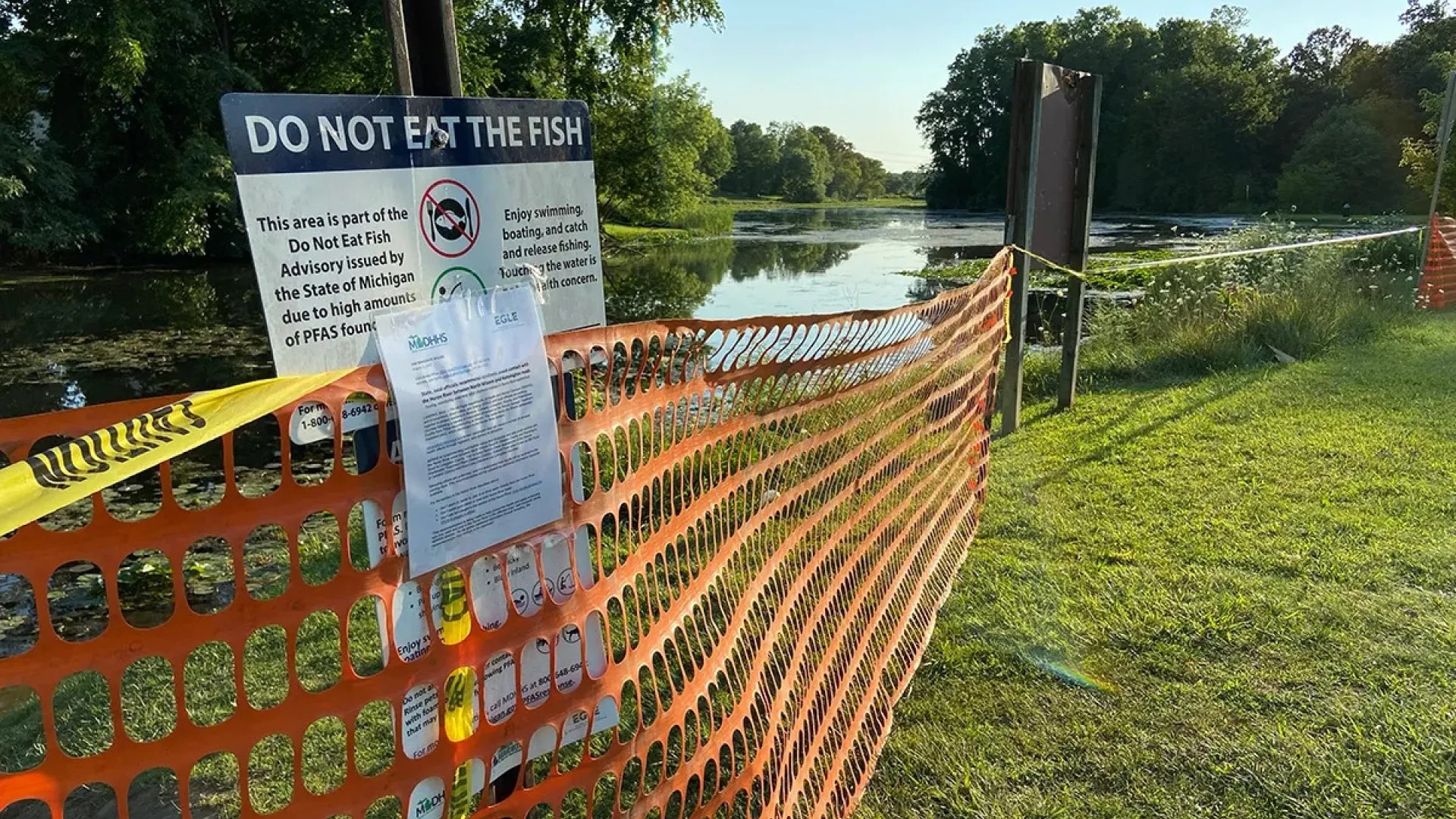
Declining PFAS Levels in Great Lakes Fish: A Closer Look at Changing Tides in Michigan’s Waters
The Great Lakes have long been a barometer for environmental shifts, reflecting not only nature’s resilience but also the consequences of human industrial activities. Recent scientific research reveals that levels of PFAS—per- and polyfluoroalkyl substances—in Great Lakes fish have been steadily declining over the past few decades. Yet, beyond the promising headlines lies a story riddled with tricky parts, tangled issues, and nerve-racking unknowns that continue to challenge the balance between industry practices and the protection of our waterways.
This opinion piece aims to take a closer look at the evolution of PFAS contamination in Michigan’s waters, reflecting on the historical context, the impact of regulatory changes, and the emerging scientific evidence. We will explore how decades of industrial production have left their mark on the Great Lakes and what the recent changes in contamination levels mean for the future of fish safety, public health, and environmental management. In doing so, we will also discuss the subtle details of chemical substitution, the fine points of federal policies, and the overall need for vigilant oversight when it comes to “forever chemicals.”
Tracing the Origins of PFAS Pollution: Hidden Histories and Industrial Shifts
For decades, PFAS—commonly known as “forever chemicals”—were used in an array of industrial processes and consumer products due to their water- and grease-resistant properties. Though the public never really knew about the full extent of their impact, scientific investigations have since exposed a decades-long legacy of pollution. Over the years, the release of these compounds into rivers and lakes has prompted numerous fish consumption advisories, particularly along waterways such as the Huron River.
Historically, PFAS were manufactured and incorporated into everyday items without significant regulatory oversight. They seeped into the environment unnoticed, leading to contamination that was only recognized decades later. Over time, many of these chemicals, such as PFOS and PFOA, were phased out in response to growing regulatory pressure and public concern. This shift, though delayed, has now led to reduced PFAS levels in fish tissue as documented by new research examining archived sample data dating back to the 1970s. With these scientific breakthroughs, we now have a clearer picture of how industrial production changes can generate both immediate and long-term environmental benefits.
It is important to recognize that while the headline figures are encouraging, there remain many challenging bits in the broader narrative. The decline in PFAS levels, while positive, only reflects changes in a subset of these chemicals. Newer “short-chain” PFAS compounds have increasingly replaced the older forms, and their health effects are not yet fully understood. This substitution introduces additional layers of complicated pieces, making it vital to keep asking questions about the long-term implications for both human health and the ecosystem.
Decoding Scientific Trends: What the Data Tells Us
One of the key messages emerging from the recent study is that PFAS contamination in Great Lakes fish—particularly species such as lake trout and walleye—has seen a significant decline since the late 2000s. Researchers used archived samples collected over decades as a window into the evolution of these chemicals in the ecosystem. The study’s findings indicate that by 2020, PFAS levels had fallen to their lowest recorded points since the 1980s.
For instance, data from Lake Erie showed that freeze-dried tissue samples once peaked at nearly 450 nanograms per gram in 2005, but by 2020, the levels were almost one-ninth of that measure. Similarly, Lake Michigan recorded a high of about 150 nanograms per gram in 2010, dropping to around 80 nanograms per gram by 2020. These figures suggest that shifts in industrial production and regulatory measures have begun to bear fruit. However, the translation of these numbers to actual health outcomes and overall ecosystem restoration is laden with tricky parts and subtle details that require close observation.
The table below provides an illustrative summary of PFAS trends observed in two of the Great Lakes:
| Lake | Peak PFAS Level (nanograms/gram) | Peak Year | PFAS Level in 2020 (nanograms/gram) |
|---|---|---|---|
| Lake Erie | ~450 | 2005 | ~50 |
| Lake Michigan | ~150 | 2010 | ~80 |
In reviewing these statistics, one cannot help but appreciate the remarkable speed at which the ecosystem has begun to respond to changes in the industrial landscape. The research team noted that the decline in harmful PFAS compounds is a direct response, highlighting the strong connection between industrial production practices and environmental health. But this encouraging trend does not tell the entire story.
Industrial Regulatory Changes: Rewards and Nerve-Racking Unknowns
The improvement in PFAS levels is tied closely to regulatory efforts aimed at limiting industrial discharges and setting more protective water quality standards. State and federal agencies have spent years confronting the tangled issues arising from environmental contamination. Over time, a series of fish consumption advisories were issued to protect public health, sometimes limiting meals to as few as six servings a year from certain water bodies.
These measures made it clear that while immediate risks were being managed, the long-term profitability of environmental safety hinged on proactive pollution prevention. The withdrawal of the former US EPA Office of Research and Development by the previous administration set off alarm bells for environmental protection advocates. This period was marked by efforts to cut oversight and relax restrictions on a variety of environmental contaminants, including PFAS. In contrast, the current trajectory is increasingly taking into account public and expert concerns, leading to stricter standards and a cautious but hopeful outlook for the future.
Admittedly, the interplay between political maneuvers and environmental outcomes remains loaded with issues. While regulatory bodies continue to push for stronger protections and further reductions in PFAS levels, budget cuts and administrative changes often create setbacks. The shift towards substituting older long-chain PFAS compounds with the newer short-chain alternatives might be acting as a temporary solution, but it also introduces a host of confusing bits concerning the chemicals’ long-term effects on living organisms.
Bullet points below capture some of the key regulatory shifts and their environmental impacts:
- Stricter Drinking Water Standards: State and federal agencies are lowering the allowable PFAS levels in water to reduce exposure risks.
- Reporting Requirements: Manufacturers are being asked to report their PFAS use more transparently to enable better regulatory oversight.
- Phasing Out Hazardous Compounds: PFOS and PFOA have seen significant reductions in use due to regulatory pressure, which has led to measurable declines in environmental concentrations.
- Industry Pushback: Some industrial stakeholders advocate for relaxed regulations in an attempt to reduce costs, stirring up debates over environmental safety versus economic benefits.
Evaluating the Use of Replacement Chemicals: A Mixed Blessing?
The phasing out of initial PFAS chemicals like PFOS and PFOA has been met with a wave of optimism among environmental scientists and local fishermen. However, this regulatory success is shadowed by the increasing substitution with newer, short-chain PFAS compounds. These replacement chemicals, while designed to be less bioaccumulative, are not yet entirely understood. Their potential impacts on human health and the broader ecosystem remain one of the nerve-racking unknowns in the current narrative.
Analysts caution that just because these chemicals do not accumulate in fish to the same extent does not mean they are harmless. The fine points of their behavioral patterns in different environmental conditions are still under scrutiny. Researchers have begun to look into these replacements, but the subtle details of their long-term toxicity could take years to fully decipher.
In some significant observations, experts note that even though the acrid legacy of long-chain PFAS is reducing, this does not automatically translate into a safe environment for aquatic life. Regulators and toxicologists continue to emphasize the need for vigilance, urging that the environmental community not get lulled into a false sense of security by these encouraging trends.
Implications for Anglers and Local Communities: What Does the Decline Truly Mean?
For many local anglers—veterans of the waterways—these emerging trends come with a mix of relief and skeptical caution. Chris Matteson, a seasoned fisherman from Muskegon, has witnessed firsthand the evolution of Great Lakes water quality over several decades. His anecdotes evoke a time when industrial pollutants were so thick that one could barely see a foot into the water. Today, although fish safety seems to have improved thanks to lower PFAS concentrations, the broader community remains cautious.
Fish consumption advisories, still in effect in 98 Michigan bodies of water, call for significant caution when it comes to eating contaminated fish. The guidance typically recommends following trusted sources such as the Eat Safe Fish Guides to determine which water bodies are safest for consumption. This is particularly important since the decline in one class of PFAS does not automatically eliminate the dangers posed by newer compounds.
The opinions of local anglers like Matteson underscore the need for continued oversight. Long ago, fish warnings were a regular feature in daily life around the Great Lakes. While the decline is welcome, there is an undercurrent of concern about whether these new chemicals might present a different set of challenges in the years ahead. The following bullet list summarizes some of the key takeaways for residents and fishermen:
- Sustained Monitoring: Regular testing of fish tissue for both legacy and replacement PFAS compounds remains essential.
- Adherence to Guidelines: Locals should continue to follow consumption advisories to limit potential health risks.
- Community Awareness: Public information centers and local health departments must keep the community updated on new research findings.
- Research Investment: Funding for studies on newer PFAS compounds is critical for long-term environmental and public health safety.
Understanding the Public Health Implications: A Balancing Act Between Hope and Caution
The decline in PFAS levels in Great Lakes fish offers a promising outlook, particularly for communities that rely on local waterways for sustenance and recreation. However, the public health dimensions of PFAS exposure extend far beyond mere numbers. A growing body of research has linked these chemicals to serious health conditions, including cancer, thyroid issues, as well as developmental, fertility, and immunity challenges. Even if current levels are lower than in past decades, the lingering presence of “forever chemicals” in our waters continues to be a cause for concern.
It is critical to keep in mind that while the ecosystem is showing signs of recovery, the risk is not entirely eradicated. Environmental scientists stress that even persistent low levels of harmful compounds can have cumulative effects over time. The situation is further complicated by the presence of multiple hazardous compounds in the ecosystem. Here are some of the key public health challenges related to PFAS contamination:
- Cancer Risks: Several studies have found correlations between long-term exposure to PFAS and increased cancer risks.
- Hormonal Disruption: PFAS exposure has been linked to interference with thyroid function and other hormonal systems.
- Developmental Effects: Children in PFAS-contaminated areas may face developmental challenges and immune system issues.
- Cumulative Exposure: Even small doses, accumulated over time through the food chain, may lead to adverse health outcomes.
Given these significant implications, the message for regulators, public health officials, and local communities remains one of cautious hope. The observed trends show promise, but they also underscore the need to remain vigilant, invest in further research, and maintain robust testing protocols. This multi-layered issue is full of problematic aspects that require society to get into the details of both immediate environmental recovery and long-term chemical safety evaluations.
Environmental Policy Shifts: The Broader Impact on Michigan and Beyond
Environmental policy in Michigan has been put to the test repeatedly over the years. The tug-of-war between industry pressures and environmental protection goals is full of nerve-racking twists and turns. Recently, the debate has centered around reverting or relaxing some of the standards that have been critical in reducing PFAS contamination in the first place. Advocates argue that any rollback in regulations would threaten the gains that have been made, while industry representatives claim that the changes are necessary to reduce operational costs and streamline compliance.
Policy decisions at the federal level, particularly during previous administration cycles, have had mixed impacts on ongoing research and enforcement efforts. For example, dismantling the previous EPA Office of Research and Development undoubtedly slowed down the pace of research into these chemicals, leaving some knowledgeable professionals puzzled by the unexpected speed of the ecosystem’s recent response. One of the central debates in policy circles now revolves around how to balance economic growth with environmental stewardship without sacrificing the key benefits of previous regulatory interventions.
A table below highlights some of the recent changes in environmental regulation and their implications:
| Policy Change | Impact on PFAS Management | Stakeholder Response |
|---|---|---|
| Stricter PFAS Drinking Water Limits | Lower permissible levels in water, prompting improved testing and reporting | Widespread support among public health advocates; concerns from industrial sectors |
| Loosening Reporting Requirements (Proposed) | Potential for reduced transparency in PFAS usage | Industry groups favor easing burdens; environmentalists worry about long-term consequences |
| Phasing Out Long-Chain PFAS | Marked declines in known harmful compounds | Praised by toxicologists; offset by worries over short-chain substitutes |
This snapshot of policy changes reflects the delicate balancing act between maintaining environmental safety and supporting economic activities. In many ways, policy remains the most critical link in the chain of environmental management, as it guides industrial practices while also ensuring long-term public health.
Fishing in an Era of Change: Balancing Recreation, Tradition, and Modern Safety Concerns
For those who have made the Great Lakes an intrinsic part of their lifestyle, fishing is more than a pastime—it is a tradition that connects them with nature and community history. Over the decades, the waters of Michigan have transformed from murky basins plagued by industrial runoff to clearer habitats where life slowly returns. Yet, amidst these positive changes, the legacy of PFAS contamination serves as a constant reminder of our industrial past.
Local fishermen, like the long-time angler Chris Matteson, often describe the evolution of the lakes in terms of both improvement and persistent caution. They recall the days when factories lined the shores and industrial waste tainted the water, making even a short glimpse below the surface a rarity. Today, while the water may appear cleaner and fish populations healthier, the ghost of previous contamination events lingers in the form of lingering PFAS chemicals. These chemicals are integrated into the ecosystem in subtle parts, hidden in even the most basic measurements of fish tissue samples.
For recreational fishermen and enthusiasts, managing your way through these changes means staying informed and adapting fishing practices. Here are some tips for those who continue to fish in these environments:
- Stay Informed: Regularly consult trusted sources such as state health departments and the Eat Safe Fish Guides to know which bodies of water are safest.
- Practice Caution: Even when PFAS levels appear low, consider moderating fish consumption to minimize any long-term health risks.
- Engage Locally: Participate in community forums and local environmental meetings to share observations and learn about new safety recommendations.
- Support Research: Advocate for additional monitoring and research funding to ensure that emerging challenges with replacement chemicals are addressed.
These practical steps reflect a shared responsibility among community members to look after their local environment. They also highlight an important point: that the resolution of environmental problems is rarely straightforward and often involves finding your way through a mix of scientific data, evolving policies, and traditional practices.
Looking Ahead: The Promise and Pitfalls of a Cleaner Future
The evolving story of PFAS in the Great Lakes is a lesson in both progress and caution. While it is encouraging to see significant declines in the concentration of known harmful compounds such as PFOS and PFOA, the environmental challenge is far from over. Modern industry practices have shifted to using chemicals that are less likely to build up in fish tissue, and these changes offer a glimpse into a future where our waterways may eventually be considered safe again. However, the longer-term effects of these replacement chemicals remain a nerve-racking unknown, and their subtle details must be studied closely.
Innovation in environmental policy and scientific research continues to progress, yet we must not become complacent. As new chemicals take the place of older, more hazardous substances, researchers must poke around into the fine points of their behavior and ensure that any new risks are promptly identified. The interplay between public safety, industrial innovation, and regulatory oversight is full of twists and turns. Remaining proactive in investigating and managing these issues will be key to securing a cleaner, safer future for Michigan’s communities and ecosystems.
The journey ahead entails both technical challenges and cultural shifts. While progress in reducing PFAS levels in fish is promising, it also calls for a holistic review of our overall environmental management strategies. Comprehensive monitoring, effective regulation, and public awareness campaigns must continue to work in tandem. The decline in PFAS is an essential milestone, but it is only one part of the broader narrative of how human ingenuity and resilience can turn the tide against long-standing pollution issues.
Managing Your Way Through a Shifting Regulatory and Scientific Landscape
In the periodic ebb and flow of environmental progress, the current trends in PFAS levels offer both an opportunity and a challenge. For policy makers and community leaders, the onus is on ensuring that the recent gains achieved through tighter regulations and changing industrial production are maintained and expanded upon. Meanwhile, scientists and public health officials must keep investing in research projects that can track PFAS trends in real time, providing early warnings should levels begin to rise again.
Some of the key steps necessary for managing your way through this shifting landscape include:
- Continuous Research: Ensuring that monitoring programs are funded and scientifically rigorous will help identify any upticks in contamination early on.
- Transparent Communication: State and local agencies should maintain open channels for sharing research findings with the public to foster trust and prompt action when needed.
- Balanced Policies: Government policy must strike a balance between easing industrial burdens and protecting public health, keeping in mind that even small amounts of contamination can have significant long-term effects.
- Community Involvement: Engaging local communities in environmental decisions and leveraging traditional ecological knowledge can offer fresh insights into effective conservation measures.
This multi-pronged approach acknowledges that while the trend is hopeful, the environment remains full of tricky parts and nerve-racking unknowns. Balancing industrial progress with environmental conservation is a complicated piece, but it is a necessary one if we are to protect the Great Lakes for future generations.
The Final Word: A Future Shaped by Awareness, Science, and Community Action
In conclusion, the significant reduction of PFAS levels in Great Lakes fish is a testament to the potential success of targeted regulatory efforts and adaptive industry practices. It is a story of hope emerging from a past full of confusing bits and nerve-racking challenges. While the data shows a promising decline in legacy chemicals like PFOS and PFOA, it also serves as a reminder that the journey toward complete environmental restoration is not without its roadblocks.
As communities across Michigan and beyond work to steer through environmental threats, the blend of scientific inquiry, community engagement, and proactive policy-making remains the most promising path forward. The Great Lakes continue to serve not only as symbols of natural beauty and bounty but also as living laboratories where the impact of human choices is made visible in subtle detail.
For local fishermen, policy makers, and environmental enthusiasts alike, the current state of our waters underscores the critical need to keep investing in both short-term monitoring and long-term ecological research. By taking a closer look at the subtle details of chemical behavior, making your way through the maze of regulatory changes, and remaining committed to community action, we can chart a course toward a future where our cherished waterways are as safe and bountiful as nature intended.
Ultimately, the story of PFAS in the Great Lakes is not just one of chemical decline, but also of hope—a hope that with continued vigilance and adaptive management, we can overcome the tricky parts of industrial contamination and create an environment that supports both economic vitality and public health. The intricate dance between industry, science, regulation, and community action continues, and it is our shared responsibility to take a closer look, question assumptions, and foster policies that prioritize a cleaner, safer future for all.
In these times of significant environmental transition, it is more important than ever to remain engaged in the discussions that shape our local ecosystems. The data and the trends remind us that while progress has been made, the journey is far from over. By understanding where we stand today and where we might go tomorrow, we can collectively work towards solutions that address both the current challenges and the unexpected twists and turns that lie ahead.
In summary, the decline in PFAS levels as evidenced by long-term studies offers a critical, yet cautionary, indicator of our environmental progress. It beckons a call to both celebrate advancements and persist in our quest to learn more about the finer details of chemical impacts. As we continue to get into the nitty-gritty of PFAS behavior and its associated health effects, one thing remains clear: the path forward is one that must be navigated carefully, with a healthy balance of scientific insight, regulatory innovation, and community dedication.
Let this unfolding story of decline and resilience serve as a reminder that our environment is dynamic—capable of healing when given the right conditions, yet ever susceptible to the unintended consequences of industrial progress. It is our duty, as stewards of the Great Lakes and as members of a broader community, to keep working through the tangled issues, to figure a path that equally honors economic needs and public health, and to shoulder the responsibility of fostering a cleaner, safer, and more resilient ecosystem for generations to come.
Originally Post From https://www.greatlakesnow.org/2026/01/26/pfas-levels-are-declining-in-great-lakes-fish-new-research-shows/
Read more about this topic at
New Data Show Reduced Overall PFAS Exposures in …
PFAS levels are declining in Great Lakes fish, new …

