Community Engagement in Michigan’s Natural Resource Management: A Fresh Perspective
As Michigan progresses into spring, a season of renewal and opportunities emerges for residents to voice their opinions on natural resource management and outdoor recreation. The Michigan Department of Natural Resources (DNR) has laid out an extensive schedule of meetings for advisory groups and public bodies this April. These gatherings offer citizens a chance to shape policy, discuss environmental initiatives, and influence changes that directly affect outdoor spaces across the state.
In this opinion editorial, we take a closer look at the state’s approach; we consider the importance of public participation, examine the many twists and turns of the advisory process, and discuss why community feedback is both critical and transformative. Through this discussion, we aim to stimulate informed conversation on how public input can help manage both natural landscapes and recreational opportunities that many Michigan residents value.
Harnessing Community Input: An Essential Ingredient for Sustainable Recreation
Public input is more than just an invitation to speak up; it represents a critical juncture where policy, local knowledge, and community interests converge. The Michigan DNR’s April meeting schedule is a testament to the state’s commitment to nurturing cooperation between government and the public.
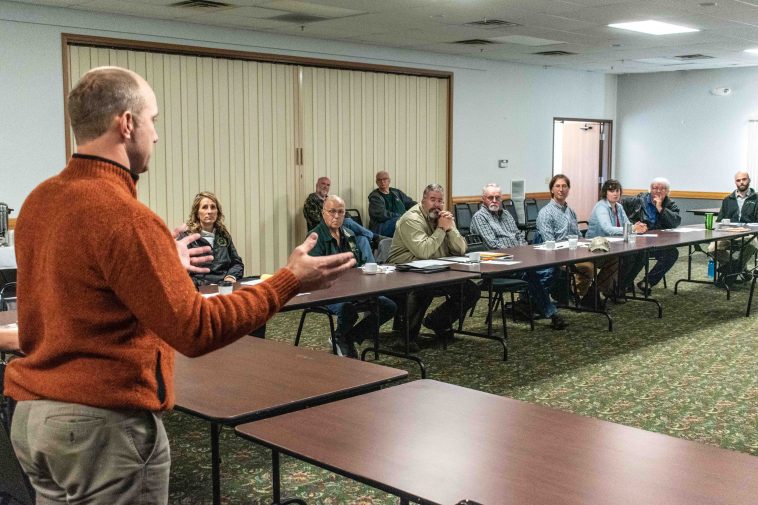
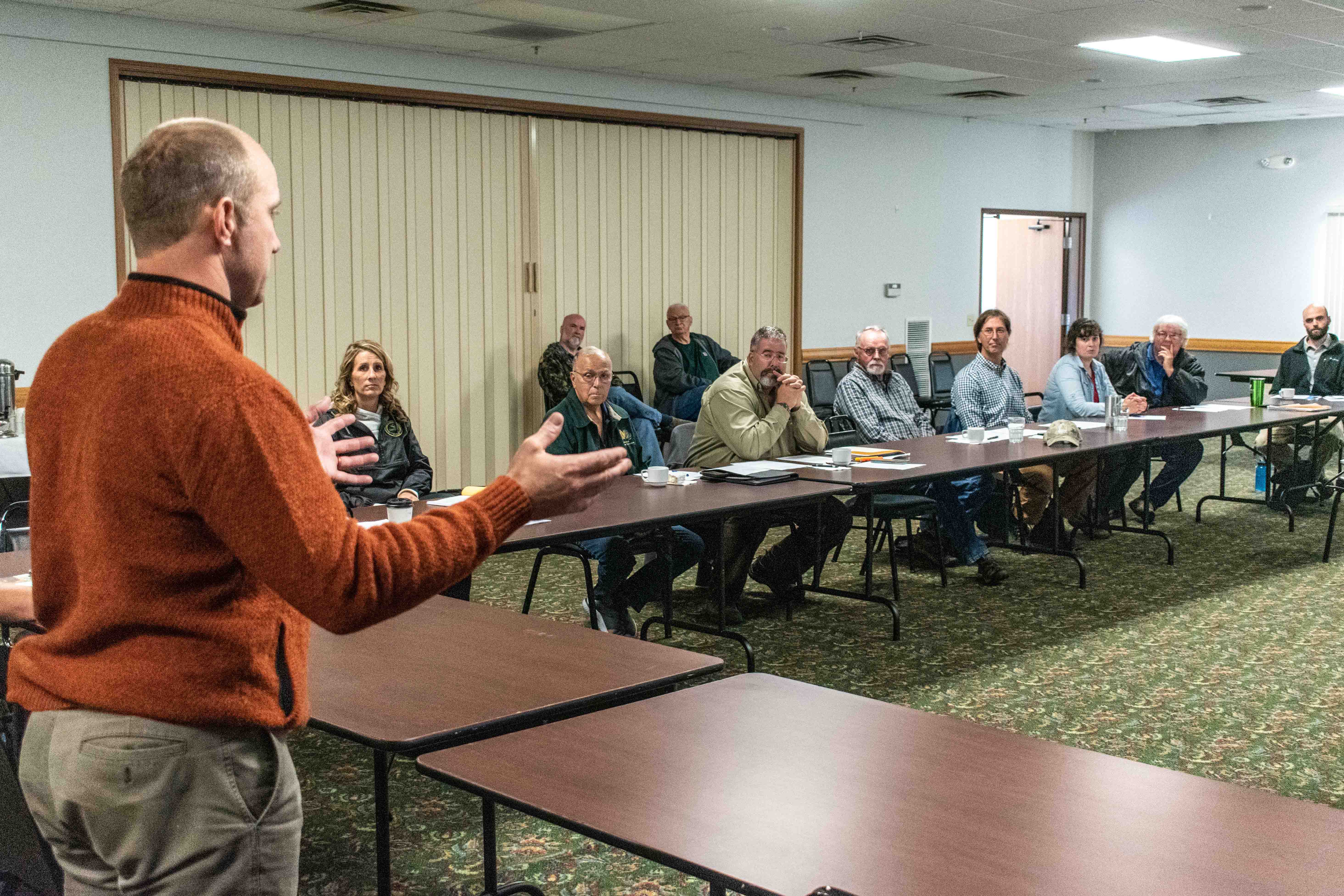
With decisions that affect everything from state parks to fisheries, attending these advisory meetings allows citizens to get into discussions that affect their favorite outdoor spaces. These meetings are not intimidating; rather, they are opportunities to work through the tricky parts of environmental policy and address the subtle details of natural resource management.
Why Community Engagement Matters
Public participation enriches decision-making in several key ways:
- Diverse Perspectives: When individuals from varied backgrounds share personal experiences, they provide a well-rounded view of what matters most in different regions of Michigan.
- Enhanced Transparency: Open meetings allow residents to dig into policies and understand how decisions are made, helping communities gain a better grasp of their local government actions.
- Informed Policies: Feedback from community members can reveal subtle parts that might have been overlooked, ultimately leading to better-designed conservation and recreational programs.
- Networking and Collaboration: These forums foster trust between state agents and local residents, paving the way for cooperative problem-solving and shared success stories.
It’s important to note that the DNR advisory meetings aim to encourage local voices to be part of the conversation. Whether through in-person attendance, virtual participation, or reading published notes, every input is significant in shaping the direction of natural resource management in Michigan.
Examining the Wide-Ranging Advisory Groups: A Closer Look at Their Roles
The DNR’s April schedule includes a host of committees and advisory councils, each with specific responsibilities. From managing state parks to overseeing fisheries, these groups are loaded with responsibilities that are on edge yet full of possibilities. Below is a breakdown of some key groups and their roles:
The Role of Park and Recreation Advisors
Several committees, such as the Belle Isle Park Advisory Committee and the State Parks Advisory Committee, focus on enhancing public spaces for recreation. These groups are tasked with:
- Ensuring that parks are maintained in a way that balances recreational use with environmental stewardship.
- Discussing improvements and corrective measures that address both well-being and sustainability.
- Gathering community input on long-term visions for outdoor recreation areas.
By participating in these meetings, local residents can feel empowered to take part in preserving the charm of Michigan’s cherished parks and recreational spaces.
Advisory Councils Focused on Fisheries and Waterways
Michigan’s rich aquatic resources are supported and enhanced by several advisory bodies dedicated to fisheries management. These include committees for Lake Erie, Lake Michigan, Lake Huron, Lake Superior, and even specialized groups like the Tribal Co-Management Citizens Fishery Advisory Committee.
These groups help shape policies that affect fishing practices, aquatic life, and water management. They offer a platform where:
- Community members can discuss the challenges of maintaining healthy fish populations.
- Experts, anglers, and community leaders share updates on open-water fisheries and other aquatic challenges.
- The latest research, data, and citizen science opportunities are shared and discussed in the context of regional needs.
The advisory groups act as bridges between the technical aspects of fisheries management and the public, turning complicated pieces into manageable issues with clear, stream-lined goals.
Balancing Motorized and Nonmotorized Recreational Use
An often-overlooked aspect of outdoor recreation is the balance between motorized activities and traditional nonmotorized pursuits such as hiking, canoeing, or cycling. The Nonmotorized Advisory Workgroup and the Off-Road Vehicle Advisory Workgroup illustrate the state’s commitment to making sure everyone has a role in shaping policies that cater to diverse interests.
These groups are tasked with:
- Examining the small distinctions between different types of recreational activities.
- Finding your way through the challenges and tensions that arise between motorized use and conservation efforts.
- Formulating practical solutions that provide safe, enjoyable options for everyone, all while preserving Michigan’s natural beauty.
By acknowledging both sides of the equation, the DNR ensures that policies are not one-sided, but rather designed to respect both environmental sustainability and the public’s diverse recreational interests.
Deconstructing the Spring Workshops: Learning and Growing Together
Beyond regular advisory meetings, the Michigan Sea Grant and Michigan State University Extension, in collaboration with multiple federal and local agencies, offer a series of workshops focusing on the state’s Great Lakes fishery. These workshops are especially valuable for providing practical insights into current research, fish population dynamics, and emerging trends in fisheries management.
What the Workshops Offer
These sessions are designed to particularly help those interested in getting into the nuances of freshwater ecosystems. Key topics include:
- Data-Driven Insights: Examination of catch statistics, changes in fish populations, and survey data.
- Recent Research: Updates on current studies and findings that influence regional fisheries management.
- Citizen Science Opportunities: Information on how everyday anglers can contribute to scientific endeavors, offering a practical way to be involved in conservation efforts.
- Technical Breakdowns: Diving in to the little details of offshore fisheries and open-water management, ensuring that even intimidating issues are discussed openly.
For those interested in a more tactical take on natural resource management, these workshops provide the right blend of practical knowledge and community-based insights. They reflect an adaptive approach to managing Michigan’s freshwater treasures—a culture of learning that transforms intricate challenges into actionable strategies.
Regional Workshops and Their Contributions
Each workshop targets a specific region of the Great Lakes, tailoring content that meets unique local interests and challenges:
| Region | Workshop Date | Focus Areas |
|---|---|---|
| Keweenaw Bay | April (To Be Determined) | Local fisheries management, angler participation |
| Lake Erie/Lake St. Clair | April 9 | Catch data analysis, conservation methods |
| Lake Michigan | April 13 & 16 | Offshore fisheries, technical data sharing |
| Lake Huron | April 14 & 21 | Prey fish surveys, citizen science initiatives |
| Saginaw Bay / Les Cheneaux Islands and St. Marys River | April 21 & 28 | Regional challenges in fish population management |
With such a varied schedule, the workshops ensure that relevant topics are presented in a way that resonates with specific regional concerns. It’s a nuanced yet accessible approach aimed at transforming intimidating technical data into community-friendly dialogue.
Community Feedback: The Backbone of Policy Refinement
One of the most important aspects of these meetings and workshops is how they serve as a medium for gathering direct feedback from those who use and cherish Michigan’s natural resources. Community voices help shape policies and encourage innovation that is critical for balancing development with conservation.
How Public Comments Drive Change
Offering a forum for residents means that the following positive outcomes can be achieved:
- Tailored Solutions: By listening to the public, officials can find creative ways to address local concerns that might otherwise go unnoticed.
- Bridging the Gap: Open dialogue between state agencies and community members helps to clarify confusing bits about policy decisions.
- Shared Responsibility: A stronger partnership is built between the government and the public, ensuring that the maintenance of outdoor spaces is a shared endeavor.
The collection of feedback, suggestions, and concerns helps the DNR to steer through the many tangled issues that arise when public policy intersects with environmental management. The process is designed to be as open and transparent as possible, enabling residents, experts, and policymakers to get into the fine points of change collaboratively.
Opportunities for Direct Involvement
For those who have never attended such meetings, the process might seem overwhelming at first. However, there are numerous ways to get involved without facing intimidating bureaucracies. Here are some practical strategies to make your voice heard:
- Attend meetings in person and engage in Q&A sessions.
- Use digital platforms and social media channels offered by the DNR to leave comments or suggestions.
- Reach out to committee contacts directly via phone or email to share your thoughts and concerns.
- Encourage friends and neighbors to participate, making community engagement a group effort.
By taking these steps, residents can manage your way through the more complicated pieces of the process, ensuring that the community remains an active partner in shaping policies that benefit everyone.
Charting a Clear Path Through the Meeting Schedules
A closer look at the detailed schedule reveals that each meeting is meticulously planned to provide both structured dialogue and open forums for discussion. The schedule is designed not to overwhelm participants, yet it covers a wide range of topics that are on edge yet important for Michigan.
A Snapshot of the April Meetings
Below is a simplified overview of some of the key meetings scheduled for April, providing locations, times, and contact information for prospective participants:
| Advisory Group | Date & Time | Contact |
|---|---|---|
| Belle Isle Park Advisory Committee | Thursday, April 16, 9 a.m. | Sara Claybaugh: 517-242-2469 |
| Coldwater Resources Steering Committee | Monday, April 13, 9:30 a.m. | Doug Schultz: 989-590-9073 |
| Eastern Upper Peninsula Citizens Advisory Council | Tuesday, April 14, 6 p.m. EDT | Kristi Dahlstrom: 906-226-1331 |
| Forest Management Advisory Committee | Wednesday, April 15, 1 p.m. | Kim Korbecki: 517-582-3220 |
| Lake Erie/Lake St. Clair Citizens Fishery Advisory Committee | Wednesday, April 8, 10 a.m. | Jim Francis: 517-242-3593 |
| Lake Michigan Citizens Fishery Advisory Committee | Wednesday, April 8, 10 a.m. | Jay Wesley: 616-490-5090 |
| Lake Superior Citizens Fishery Advisory Committee | Wednesday, April 8, 10 a.m. | Dave Caroffino: 231-350-8654 |
| Michigan Natural Resources Commission | Wednesday, April 8, 9 a.m. | Email: NRC@Michigan.gov |
| Michigan Natural Resources Trust Fund Board | Wednesday, April 15, 9 a.m. | Jon Mayes: 517-284-5954 |
| Nonmotorized Advisory Workgroup | Thursday, April 9, 10 a.m. | Anna Centofanti: 517-331-6219 |
| Off-Road Vehicle Advisory Workgroup | Tuesday, April 21, 1 p.m. | Jessica Roehrs: 517-331-3790 |
| Pigeon River Country Advisory Council | Thursday, April 16, 5 p.m. | Mark Monroe: 989-983-4101 |
| State Parks Advisory Committee | Wednesday, April 22, 2 p.m. | Barbara Graves: 517-284-6136 |
| Tribal Co-Management Citizens Fishery Advisory Committee | Thursday, April 9, 10 a.m. | Dave Caroffino: 231-350-8654 |
| Waterways Commission | Monday, April 27, 8:30 a.m. | Michelle Wieber: 517-285-0747 |
This table not only offers logistical clarity but also demonstrates how the DNR has carefully worked through the hidden complexities of scheduling to provide ample opportunities for public input across a variety of topics. When details do change—a frequent occurrence in a dynamic policy environment—it is a reminder for residents to stay vigilant and plan ahead.
Strategies for Getting Involved: Practical Steps for Residents
For many residents, participating in public advisory meetings might initially seem a bit overwhelming. However, with a clear understanding of the process and the benefits of active engagement, every person can find their way through this maze with relative ease. Here are some strategies that can help make the process more approachable:
Before the Meeting: Preparation and Research
Getting ready for a meeting can involve a few simple yet effective steps:
- Review the Agenda: Look over the topics to be discussed to steer through the tricky parts ahead of time.
- Make Notes: Jot down any questions you have or issues you want to discuss. It can be helpful to organize these thoughts in bullet points.
- Consult Community Sources: Check local news outlets and the DNR’s website for any updates or changes to the meeting schedule.
By taking these preliminary steps, you’ll be well-equipped to contribute effectively. Preparation transforms potentially nerve-racking settings into engaging sessions where your insights are valued.
During the Meeting: Effective Communication Techniques
Once you’re at the meeting, consider these practical steps that can help make your voice heard:
- Speak Clearly and Concisely: Offer feedback without getting tangled in overly complicated points. Clear communication of your ideas can help policymakers figure a path through the issues.
- Ask for Clarification: If you encounter confusing bits in a presentation, don’t hesitate to ask for a closer look. Often, the simple act of questioning can clear up the little twists that might otherwise be missed.
- Engage Respectfully: Constructive dialogue is key. When interacting with fellow residents and officials, maintain a respectful tone to encourage a collaborative atmosphere.
- Volunteer for Follow-up: If there’s an opportunity for further insight or to serve on a subcommittee, consider volunteering. It’s a great way to get more involved and deepen your impact on future decisions.
These strategies are designed to help both first-time attendees and seasoned participants find your way through the organized yet sometimes intimidating structure of public meetings.
After the Meeting: Staying Involved and Informed
Your involvement doesn’t need to stop when the meeting ends. Follow-up actions can further enhance community participation:
- Review Meeting Minutes: Stay updated with summaries or detailed minutes circulated post-meeting. It’s an excellent way to refresh your memory and see how your input was received.
- Connect with Officials: If you feel strongly about an issue, consider reaching out to the contact points provided for each advisory group. Personal follow-ups can make a significant difference.
- Engage on Social Media: Many agencies now offer digital platforms for further dialogue. Joining these conversations online can help keep the momentum going.
- Encourage Community Discussions: Initiate or join local forums where community members can share insights and updates on outdoor recreation and natural resource policy.
Following these steps ensures that your role as an active participant continues even beyond the formalities of scheduled meetings.
Sustainability and Outdoor Recreation: Looking Toward the Future
The organized spring meeting schedule is more than a calendar exercise—it represents a community’s ongoing journey toward sustainability. As we collectively work through the more complicated pieces of policy and natural resource management, it is important to reflect on the long-term benefits of our participation.
The Broader Impact of Collaborative Policy Making
Active engagement in public advisory sessions not only molds policy but also fosters a sense of ownership among community members. This cooperative spirit can have lasting impacts, including:
- Ecosystem Preservation: Policies influenced by robust community input are more likely to protect Michigan’s natural resources responsibly. Efforts to conserve state parks, lakes, and fisheries benefit from a balanced review of local needs and scientific data.
- Enhanced Recreational Opportunities: By incorporating feedback on park management and outdoor facilities, these policies can enhance the quality of public spaces used for recreation, ensuring they remain vibrant and accessible.
- Sustainable Economic Benefits: Healthy ecosystems and well-maintained recreational areas can lead to tourism growth and community development, providing super important economic benefits alongside environmental improvements.
- Building Community Resilience: Engaged citizens are better equipped to respond to environmental challenges, ultimately making local communities more resilient and adaptive to future issues.
The long-term impact of community engagement reflects more than just immediate policy changes—it builds a lasting legacy of sustainable practices across Michigan’s diverse natural landscapes.
Challenges to Consider: The Reality of Involvement
No journey toward better natural resource management is without its twists and turns. Some of the challenging aspects include:
- Keeping Up with Changes: Meeting schedules can change, and sometimes, committee discussions may not always align perfectly with community expectations. These situations require a degree of flexibility and ongoing dialogue.
- Dealing with Tense Situations: At times, discussions can become a bit loaded with issues as differing opinions near advisory contexts. Yet, these moments, while challenging, serve as catalysts for meaningful debate and progress.
- Understanding Hidden Complexities: Natural resource management involves technical details that may be on edge and difficult to parse for the average participant. Efforts to simplify these issues continually are essential for deeper public understanding.
- Building Consensus: Balancing the many viewpoints of a diverse community can be an off-putting endeavor. However, by focusing on collaborative strategies and shared goals, the community can overcome these nerve-racking moments.
While challenges do exist, the process of working through these tangled issues provides valuable lessons in public policy and collaborative governance. These experiences, even when seemingly overwhelming, enrich our understanding of the responsibilities tied to environmental stewardship.
Taking the Wheel: Empowering Your Voice in Michigan’s Future
At its core, the meeting schedule and related workshops are more than reminders on a calendar—they are invitations to be part of a larger story. The evolving narrative of Michigan’s natural resource management is built on the contributions of everyday citizens who take the initiative to share insights, ask questions, and propose solutions.
Finding Your Path to Active Participation
If you’ve ever wondered how you can influence decisions that directly affect Michigan’s parks, lakes, and fisheries, consider these helpful pointers:
- Start Small: Attending one meeting on a topic you care about is a perfect way to begin understanding the process and building confidence.
- Reach Out: Engage with local groups, attend community forums, and use provided contacts to ask follow-up questions. Every contribution is a step towards a better-managed natural environment.
- Stay Informed: Keep an eye on websites, newsletters, and public notices. Being well-informed allows you to make better decisions about when and how to participate.
- Collaborate: Working together with neighbors and advocacy groups can make the process seem less intimidating and more like a shared mission.
By taking the wheel in this manner, residents contribute meaningfully to a future where policy is shaped by a blend of expert advice and grassroots insights. This balanced approach not only benefits the environment but also enhances community well-being.
Technology and Tradition: Merging Methods for Greater Impact
Modern communication methods such as online forums, social media, and virtual workshops have transformed how public input is gathered and shared. The DNR’s utilization of digital platforms complements traditional in-person meetings, making the process more accessible, flexible, and inclusive.
This combination of technology and tradition ensures that voices are heard regardless of physical attendance. Such an integrated system allows for a smoother exchange of ideas, where vital information is readily available to those who wish to contribute, no matter their circumstances.
Final Reflections: The Road Ahead for Michigan’s Natural Resources
Looking ahead, the efforts of the Michigan DNR and its numerous advisory groups serve as a reminder that every citizen has a seat at the table when it comes to protecting our natural resources. As Michigan faces both challenges and opportunities in environmental management, taking a closer look at how these public meetings function can offer insights into how community engagement can shape a sustainable future.
While the process may involve navigating tricky parts and working through discussions that are sometimes a bit tense, the rewards—preserving our state’s natural beauty, ensuring sustainable recreational opportunities, and fostering a culture of collaboration—are super important. Each meeting, workshop, and community discussion is a stepping stone toward a more informed, involved, and resilient Michigan.
Why Your Involvement Matters
To sum up, the schedule of meetings this April is more than an administrative checklist. It’s a call to action for residents who wish to make a positive impact on the policies that govern outdoor recreation and natural resource management. Your voice, when added to the mix, creates a chorus that is hard to ignore—a collaborative force steering Michigan toward a future that honors both its natural heritage and the needs of its people.
By actively participating in these discussions, you help break down the nerve-racking myths that government processes are bureaucratic and remote. Instead, you contribute to a well-functioning, dynamic dialogue where every idea adds a fresh perspective—a testament to the strength and diversity of community involvement.
Looking to the Future
As the season progresses and more of these sessions unfold, let us remember that each meeting is a unique opportunity to learn, grow, and build a better world for our families, our communities, and our beloved outdoor spaces. Whether it is through targeted workshops on fisheries or advisory committees for local parks, Michigan’s approach to natural resource management is evolving, and every citizen can play a part in shaping that evolution.
In a time when environmental challenges are both overwhelming and off-putting to some, the process of public engagement transforms what might seem like the hidden complexities of policy creation into a collaborative, transparent, and ultimately rewarding experience. By being an active participant, you not only help guide decisions on conservation and recreation but also create a future where Michigan’s natural beauty is preserved for generations to come.
Conclusion: Embracing a Collective Vision
The journey of community engagement in Michigan’s natural resource management is not without its twists and turns. Still, every step taken by a concerned citizen contributes to a shared vision of environmental stewardship and public accountability. It is this collective action—from the early discussions in advisory meetings to the detailed planning in workshops—that ensures our natural landscapes are managed with wisdom, respect, and long-term care.
As we navigate the complex landscape of environmental policy and outdoor recreation, remember that every suggestion, question, and comment is a vital contribution toward a greener, more sustainable Michigan. Let us all continue to work together, finding our path through challenges and celebrating the successes that come when communities unite for a common cause.
The call to action remains clear: your voice matters. So, mark your calendars, get into the discussions, and help shape a vibrant future for Michigan’s natural resources and recreational spaces. Together, through thoughtful engagement and shared responsibility, we can ensure that Michigan remains a place where nature and community thrive side by side.
Originally Post From https://www.sooleader.com/local-news/michigan-dnr-lists-april-meeting-schedule-for-boards-and-advisory-groups-12045281
Read more about this topic at
Calendar • Meetings
Citizens Advisory Council 2025-2026 Meeting Schedule