Championing Dwarf Bilberry: A Conservation Effort with Long-Lasting Impact
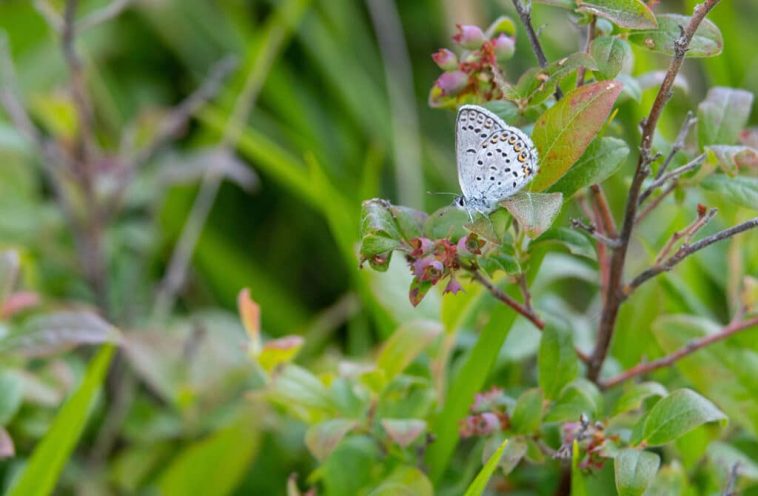
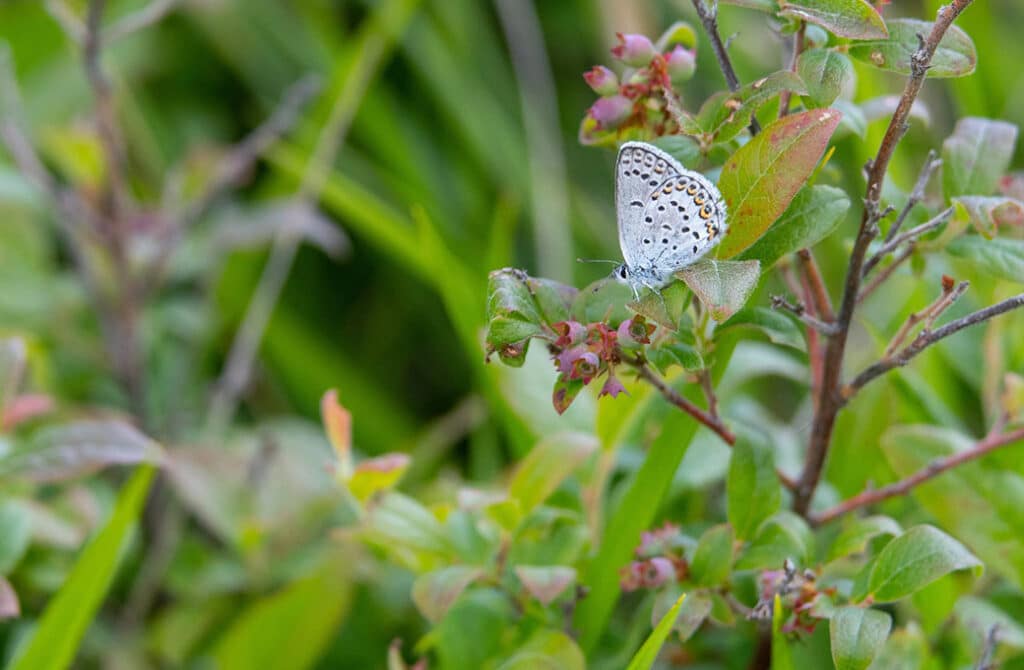
In the heart of the Superior National Forest, a small but critical campaign is underway—one that may seem like a modest act of planting dwarf bilberry shrubs but carries tremendous weight in our journey to protect wildlife. The USFS’s recent initiative of planting 800 dwarf bilberry plugs is more than a mere reforestation effort; it is a finely tuned strategy designed to help one of the region’s most delicate species, the northern blue butterfly, thrive.
When I first read about the project, I couldn’t help but reflect on how saving an ecosystem often involves managing your way through a series of tangled issues and subtle challenges. The importance of this project is underlined by the fact that the northern blue butterfly, often called Nabokov’s blue, depends entirely on these low-growing shrubs. In other words, this conservation effort highlights how even small, seemingly ordinary plants can be super important to maintaining the balance of nature.
Enhancing Habitat with Targeted Planting Strategies
The USFS staff has taken a very thoughtful approach by selecting multiple sites for the planting process, ensuring that the dwarf bilberry can spread its influence far and wide across the forest floor. This type of strategic planting is a key example of using the nitty-gritty of nature to make significant conservation leaps. By planting the plugs in three distinct plots, the forest management team is working on expanding bilberry habitat to create more living space for wildlife and help the local ecosystem weather future changes.
One of the standout parts of this project is the integration of natural propagation methods. Seeds of dwarf bilberry, scientifically known as Vaccinium cespitosum, were collected from thriving patches of shrubs. These seeds were then sent to Taiyney Nursery in the Ottawa National Forest for careful nurturing. Once the seedlings hit their stride, they returned to the Superior National Forest as sturdy plugs ready to be planted. This process, which might seem like a straightforward cycle, is actually a clever dance with nature’s own cycles—one that increases genetic diversity and ultimately strengthens the ecosystem’s resilience.
Boosting Genetic Diversity for a Stronger Ecosystem
One of the trickiest parts of maintaining a healthy forest is ensuring genetic diversity among plant populations. When the USFS gathered seeds from different sites and planted them elsewhere, they were essentially injecting a mix of genetic material into new areas. This method is like taking a closer look at the hidden complexities of ecological health. It is a deliberate measure to guard against environmental stressors, making sure that even if one region faces challenges, the overall population can adapt.
To better understand this, consider the following bulleted list outlining how genetic diversity contributes to ecosystem resilience:
- Resilience to Disease and Pests: A broader genetic pool can help plants fend off diseases and pests, like a diversified immune system.
- Adaptability to Climate Variation: Plants with subtle variations in their genetic makeup are more likely to thrive under changing weather conditions.
- Enhanced Reproductive Success: A diverse genetic background often results in plants that can reproduce more effectively, ensuring longevity in an ecosystem.
These points underscore that what might at first seem like a minor detail—the way seeds are selected and planted—actually hides a series of challenging but critical steps in supporting a sustainable future for our forests.
Supporting the Northern Blue Butterfly: A Keystone in Regional Biodiversity
The northern blue butterfly is much more than a pretty insect fluttering between the trees—it is a keystone species in the Great Lakes region. Its survival hinges on the presence of dwarf bilberry, revealing a clear, if sometimes intimidating, connection between plants and insects. “Working through” the forest’s rich tapestry shows that even the smallest creatures play a vital role in the ecosystem.
For those who might be wondering why this is so important, let’s break it down:
- Exclusive Diet: The caterpillars of the northern blue butterfly exclusively feed on the leaves of dwarf bilberry. Without this specific food source, the species would face immense survival challenges.
- Population Concentration: The Superior National Forest is home to the largest known population of these butterflies in the Great Lakes region, making the forest a critical habitat worth protecting.
- Indicator of Ecosystem Health: The well-being of the northern blue butterfly acts as a barometer for the overall health of its environment. A thriving butterfly population is indicative of robust and balanced ecological processes.
Observing this interdependence offers a reminder that our efforts in conservation should not be measured solely by the number of trees or plants replanted, but also by the continuous cycle of life and growth that they nurture.
Propagation Techniques: Diving Into the Methods Behind the Scenes
The scientific process behind the propagation of the dwarf bilberry provides important insights into how we can best support our natural resources. The journey from seed collection to the final stage of planting requires careful planning, precision, and patience. Staff at the USFS orchestrate this process by ensuring that seedlings are grown until they are strong enough to be transplanted effectively.
Here is a simplified table that lays out the steps involved:
| Stage | Description |
|---|---|
| Seed Collection | Gathering healthy dwarf bilberry seeds from multiple sites to ensure a diverse genetic base. |
| Nursery Propagation | Transporting seeds to specialized nurseries like Toumey Nursery for controlled germination and growth. |
| Seedling Development | Allowing seedlings to grow until they reach a robust stage suitable for transplantation. |
| Transplantation | Replanting the matured plug seedlings back into the forest at strategically selected sites. |
By breaking down the process into these clear steps, it becomes easier to appreciate the little twists and turns that go into managing your way through the challenges of conservation work.
Adapting Through the Seasons: The Role of Prescribed Burns and Maintenance
A standout element in the USFS initiative is the careful integration of seasonal maintenance practices such as prescribed burns. These controlled fires are conducted for specific reasons: to manage undergrowth, reduce the risk of uncontrolled wildfires, and encourage the regrowth of nutrient-rich plant life. This practice may seem overwhelming or a bit nerve-racking for those unfamiliar with forest management, yet it has a long legacy of success in promoting healthier woodland ecosystems.
Prescribed burns help in several ways:
- Clearing Debris: Carefully controlled fires help remove dead matter, thus reducing the fuel load for potential wildfires.
- Nutrient Recycling: Fires help release nutrients back into the soil, fostering new growth and strengthening the health of the forest floor.
- Stimulating Plant Regrowth: Many plant species, including dwarf bilberry, benefit from the heat and stimulation provided by controlled burns.
It’s fascinating how traditional practices, when combined with modern methods, can figure a path through the tricky parts of ecosystem management. In this approach, natural rhythm and human intervention coalesce to allow for a thriving, dynamic forest environment.
Integrating Human Insight with Natural Processes
This conservation initiative is a prime example of embracing a hands-on approach while still respecting nature’s inherent processes. When we consider the many intertwined steps—from seed collection to prescribed burns—it’s clear that human insight and natural processes are deeply interconnected. This project isn’t just about replanting vegetation; it’s about taking a closer look at the tiny details that dictate the success of an entire ecosystem.
Many environmental advocates and local communities have noted that such projects are critical not only for preserving biodiversity but also for enhancing outdoor recreation experiences in our national and state parks. Knowing that these natural spaces are being maintained with care can boost local pride and encourage more visitors to appreciate the subtle details of our wild landscapes.
Community Engagement: The Value of Citizen Participation
No conservation effort is complete without the involvement of the public. The USFS’s initiative has sparked discussions among local communities, outdoor enthusiasts, and conservation-minded groups. By inviting community participation, including volunteer planting days and educational events, these projects become more than just government-led operations—they become a shared mission.
The benefits of community engagement in conservation activities include:
- Enhanced Awareness: When citizens are involved in planting and maintenance, they gain firsthand insight into the intricate processes that sustain our natural environments.
- Collective Knowledge Sharing: Engaged communities often share ideas and experiences that lead to even more innovative and adaptive conservation strategies.
- Strengthened Local Support: A community that actively participates in preserving its natural heritage is better positioned to advocate for policies that ensure long-term environmental health.
These benefits remind us that conservation is not merely a technical or bureaucratic challenge; it is a shared journey, one where every volunteer and local resident can contribute to steering through even the most tangled and intimidating challenges.
Learning from Nature: Reflections on Ecological Interdependence
At its core, the initiative to plant dwarf bilberry is a vivid demonstration of nature’s interconnectedness. The survival of the northern blue butterfly depends entirely on this small shrub, and without the butterfly, many subtle parts of the local ecosystem would lose balance. Watching how these elements work in tandem is a lesson in humility and respect for the web of life.
This project also serves as a reminder that managing your way through conservation efforts often involves untangling complicated pieces that extend far beyond what meets the eye. Each planted shrub is a step toward preserving a legacy not just for wildlife but for future generations of outdoor enthusiasts, hikers, and nature lovers.
Small Steps, Big Impact: The Ripple Effect of Habitat Restoration
It is often said that the smallest change can trigger wide-ranging effects. In the case of the Superior National Forest, planting 800 dwarf bilberry plugs is a small step with potentially enormous benefits. Restoring habitat for the northern blue butterfly is just one facet of the broader initiative to heal and maintain forest ecosystems. Over time, these actions can lead to measurable improvements in biodiversity, soil health, and even the quality of the recreational experience for visitors.
Consider the following table that summarizes some of the tangible benefits of habitat restoration:
| Benefit | Description |
|---|---|
| Biodiversity Boost | Restored habitats help increase both plant and animal diversity, fostering a more vibrant ecosystem. |
| Improved Soil Health | The natural process of decay and regeneration, supported by purposeful planting, enriches the soil. |
| Enhanced Ecosystem Resilience | A diverse genetic pool and robust habitat help the ecosystem adapt to environmental changes. |
| Recreational Value | A healthier forest translates to better outdoor experiences for hikers, campers, and wildlife watchers. |
This table underscores how deliberate, thoughtful efforts at the ground level create a ripple effect that benefits the environment on multiple fronts.
Addressing the Challenges: Overcoming the Intimidating Obstacles in Forest Management
While the project is a clear success story, it is important to acknowledge the nerve-racking challenges that come with managing vast natural landscapes. These challenges include the unpredictable twists and turns that are part and parcel of nature’s cycle—ranging from unexpected weather conditions to the risk of pest infestations.
Forest managers frequently describe the process as full of problems, but they also highlight the importance of remaining adaptive. Here are some of the challenging aspects that require constant attention:
- Environmental Variability: Weather patterns and climate changes can have unexpected impacts on plant survival and growth.
- Pest Management: Invasive species and pests can threaten newly planted areas, requiring immediate attention.
- Resource Allocation: Limited resources and budget constraints often force managers to figure a path through difficult prioritization decisions.
- Human Impact: Increased recreational activity, while beneficial in many ways, may sometimes lead to unintentional damage of delicate habitats.
Despite these challenges, the proactive steps taken by the USFS demonstrate that with perseverance and science-backed methods, even the most intimidating issues can be managed effectively. Their approach, which includes regular monitoring, seasonal plantings, and prescribed burns, serves as a model for other conservation projects.
A Future-Focused Perspective: Merging Conservation with Outdoor Recreation
The Superior National Forest is not only a sanctuary for wildlife but also a beloved destination for outdoor recreation. As conservation projects like the dwarf bilberry planting progress, they also enrich our outdoor experiences by preserving the natural beauty that visitors cherish. It is critical to remember that environmental preservation and recreational enjoyment are two sides of the same coin.
A few notable points in this regard are:
- Maintaining Scenic Beauty: Healthy ecosystems contribute to the scenic vistas and vibrant landscapes that attract hikers, photographers, and nature lovers.
- Encouraging Sustainable Tourism: Educated visitors who understand the importance of ecological balance are more likely to support efforts aimed at sustainable tourism.
- Long-Term Benefits: Projects that increase biodiversity today will continue to benefit both the environment and local economies in years to come.
By looking into the fine points of these initiatives and acknowledging both the successes and the challenges, we can appreciate the comprehensive effort required to preserve our natural treasures. The act of planting these shrimp-like dwarf bilberry plugs might seem like a small gesture, but it acts as a catalyst for a cascade of environmental benefits.
Calling All Nature Enthusiasts: How You Can Get Involved
Conservation success is not just the responsibility of forest managers and government agencies—it is a shared commitment that involves everyone who cherishes our wild places. Whether you are an avid hiker, a local resident, or simply someone who appreciates the beauty and complexity of nature, there are various ways you can contribute.
Here are a few ideas on how to be a part of this growing movement:
- Volunteer for Local Projects: Many conservation initiatives actively seek volunteers for activities such as seed collection, planting days, and habitat cleanup. Look for local events organized by the USFS or regional conservation societies.
- Educate Yourself and Others: Understanding the subtle details of ecosystem management can empower you to share accurate information with friends and family. Workshops, webinars, and guided forest walks are excellent places to start.
- Practice Responsible Recreation: When visiting natural areas, respect designated trails, avoid disturbing wildlife, and carry out everything you bring in. Little gestures go a long way in maintaining these delicate balances.
- Support Conservation Organizations: Consider donating your time or resources to groups dedicated to preserving our forests. Every bit helps in tackling the tricky parts of environmental restoration.
Getting involved not only deepens your connection with nature but also contributes to the long-term success of conservation efforts. It’s a chance to see firsthand how small actions can add up to make a big impact.
Drawing Lessons from the Past: Historical Context and Continuous Evolution
Our environmental management strategies have evolved significantly over the decades, and projects like the dwarf bilberry planting are part of a long historical continuum. Since the early days of forest management, there has been a focus on learning from nature’s own methods—adapting and evolving conservation tactics based on careful observation and management of natural resources.
Reflecting on history, we see patterns that highlight how the nature of conservation is often a careful balancing act between human intervention and natural resilience. Past projects provide us with small distinctions in how to manage our natural cornucopia effectively, teaching us that every action, no matter how modest, plays a part in a much larger picture.
Historical initiatives have demonstrated that while the journey can be intimidating and accompanied by nerve-racking moments, the end results—a healthier forest, thriving wildlife, and a satisfied community—are absolutely worth the effort. By building on these time-tested methods, modern conservation shows that the best practices come from a harmonious blend of past wisdom and innovative science.
Final Reflections: A Testament to Nature’s Resilience and Our Shared Duty
As we take a closer look at the ongoing efforts in the Superior National Forest, it becomes clear that every dwarf bilberry plug planted is an investment in our future. It is a reminder that the road to conservation, while loaded with twists and turns, is paved with small, intentional actions that build up over time.
The project stands as a bold testament to how human foresight—coupled with the understanding of nature’s fine points—can yield sustainable and rewarding results. It mirrors the commitments of countless conservationists, local communities, and government agencies who together write the story of our environmental stewardship.
In a world where the balance of nature is constantly challenged, the initiative to nurture the habitat of the northern blue butterfly through the planting of dwarf bilberry shrubs emerges as a beacon of hope. It illustrates that even in the face of complicated pieces and occasional setbacks, careful planning, community support, and a deep respect for natural cycles contribute to a healthy, sustainable future.
There is much for all of us to admire here—a delicate interplay between science and the urgency of conservation, a lively dialogue between tradition and modernity, and above all, a shared commitment that each small step we take has the potential to cascade into monumental change.
I invite you to reflect on these interconnected themes and consider how you might contribute to preserving the wild places that enrich our lives. After all, whether it is through volunteering, supporting local conservation efforts, or simply advocating for thoughtful environmental policies, each of us has a role in ensuring that our forests remain vibrant, resilient, and replete with life for generations to come.
In the end, every planted dwarf bilberry is more than a shrub—it is a living symbol of hope, renewal, and the endless capacity of nature to heal and inspire. Let us all work together to nurture and protect these sunny clearings of life, so that the northern blue butterfly and countless other species can continue their delicate dance under the vast, blue sky.
Originally Post From https://queticosuperior.org/usfs-plants-dwarf-bilberry-to-support-rare-northern-blue-butterfly-habitat/
Read more about this topic at
Butterfly Habitat Restoration | Largo FL
Restoring Habitat for Monarch Butterflies