Chicago’s Stormy Legacy and the Promise of AI-Driven Weather Forecasting
The Chicago region is no stranger to the powerful force of nature. From the treacherous winds sweeping across Lake Michigan to the historic maritime disasters that still capture our imagination, the story of weather in Chicago is one filled with dramatic turns and compelling lessons. In recent years, scientific advancements—particularly in artificial intelligence—have begun to transform our understanding of these weather patterns, helping us make sense of the tricky parts and tangled issues of severe lake-effect storms.
At a recent event hosted at the Chicago Maritime Museum, Argonne National Laboratory’s AI Roadshow brought together the past and the present. This gathering was not merely an exhibition of technological progress but rather a conversation about how history, science, and community safety can intersect in innovative ways. The evening program offered an engaging mix of stories about historical maritime tragedies and discussions on the practical use of AI to predict weather shifts in the Great Lakes region.
Exploring Chicago’s Maritime Past and Its Lessons for Today
One of the central highlights of the session was a deep dive into Chicago’s stormy maritime history, including the tragic sinking of the steamship Lady Elgin in 1860. This disaster, which claimed hundreds of lives after a collision during a powerful storm, remains a somber reminder of nature’s force and the need for careful planning in response to extreme weather events.
By connecting tales of past maritime misfortunes with today’s advanced scientific tools, the event illustrated that progress has always been about learning from difficult moments. The narrative juxtaposed historical accounts with modern-day technological breakthroughs, underscoring that even the most nerve-racking episodes of the past can drive us to create better, more resilient systems for the future.
Deepening Our Understanding of Historical Maritime Disasters
The sinking of the Lady Elgin is more than a historical footnote—it serves as a case study in how tricky parts and confusing bits of human error can intersect with the unpredictable power of nature. Maritime tragedies like these remind us of the importance of detailed observation and careful risk assessment, as well as the value of modern innovations that strive to prevent similar disasters in today’s world.
By recounting these historical events, experts at the event urged us to appreciate the evolution of weather forecasting technology. Before the age of rapid digital communication, weather prediction was a slow and often inaccurate process. The advent of the telegraph, followed by the emergence of global telecommunications, revolutionized how we record and interpret weather, leading eventually to the sophisticated AI models used today.
Harnessing Artificial Intelligence for Safer Weather Predictions
Argonne scientist Scott Collis and science communicator Gillian King-Cargile took center stage as they explained how artificial intelligence is no longer just a futuristic concept but a practical tool that can “supercharge” our ability to track and predict weather patterns. Their presentations emphasized that, although the technology might seem intimidating at first glance, the benefits it brings to community safety and planning are tremendous.
AI algorithms, when paired with vast amounts of radar, satellite, and sensor data, can detect subtle patterns and signals—tricky parts and little details that might otherwise be overlooked by human analysts. By running multiple variants and rapid simulations, researchers can produce more accurate predictions of sudden shifts in wind, temperature, and storm intensity over urban areas such as Chicago.
How AI Enhances Weather Models in Urban Areas
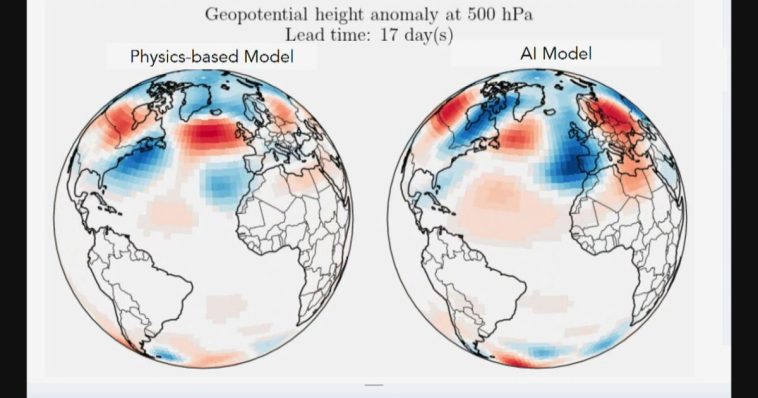
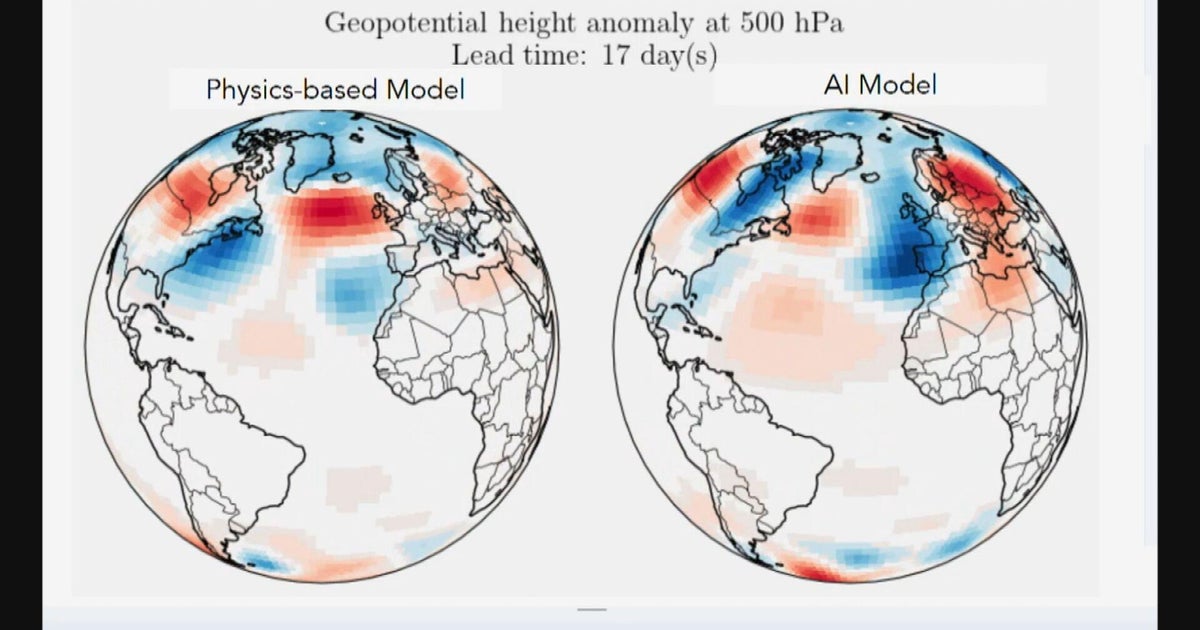
Traditional weather models, based on physics-driven computations, have long been used to forecast atmospheric conditions. However, they can often be slow and sometimes struggle with the layered, complicated pieces of environmental data gathered from modern sources. AI-based models, on the other hand, are designed to process large datasets quickly, identifying recurring patterns that can help predict phenomena such as block-to-block variations during a heat wave or the rapid onset of a severe storm.
This AI approach is not a magic bullet; it carefully complements existing methods, creating a hybrid system that leverages both legacy data and modern technology. The integration of these systems has offered promising insights into how fine-scale interactions between urban landscapes and expansive bodies of water like Lake Michigan drive weather patterns. By fusing historical data with new observations, scientists are now better equipped to figure a path through the unpredictable twists and turns of lake-effect weather.
Community Insights and the Role of AI in Public Safety
One of the most compelling aspects of the Chicago Maritime Museum event was the emphasis on community engagement. The aim was not solely to showcase scientific progress but also to encourage dialogue about how these advancements can be directly applied to improve safety and quality of life in areas frequently affected by severe weather.
Throughout the evening, community members were invited to consider the many ways that faster, more accurate weather modeling can benefit local planning and emergency response. The discussion was filled with testimonials that highlighted how better forecasting leads to more informed decisions by both government agencies and private businesses. For example, improved weather predictions allow ports, shipping companies, and city planners to effectively schedule operations, issue early warnings, and mobilize resources in anticipation of an impending storm.
Engaging Communities in Weather Preparedness
Public meetings and interactive sessions like this one underscore the importance of clear communication between scientists and the broader community. When experts break down data in accessible language—replacing complicated scientific terms with everyday language—the information becomes super important for explaining potential risks and outlining responsive measures.
Attendees noted that the event offered a valuable learning experience: it transformed abstract numerical predictions into actionable insights. This shift from pure research to practical application is crucial when talking about topics that are loaded with issues like severe weather events. Having a clear understanding of baseline data, and seeing how historical events inform cutting-edge models, empowers communities to take better precautions in the face of unpredictable weather.
Insights into AI-Driven Data Processing and Weather Forecasting Technologies
Argonne’s work in the field of environmental science is a testament to how modern technology can be leveraged to understand and predict weather phenomena, even those with many confusing bits. Researchers are now using advanced computing power to crunch through enormous volumes of weather data, allowing them to detect underlying trends that would otherwise remain hidden.
Central to these advancements are datasets collected through diverse methods: traditional radar measurements, satellite imagery, and emerging sensor networks. These datasets often contain more than just raw numbers—they include the fine points and hidden complexities that are critical for identifying early signs of severe weather events. AI helps unpack these layers more efficiently than traditional methods, thereby reducing the off-putting delays associated with older forecasting techniques.
The Role of High-Performance Computing in Modern Meteorology
Exposing the benefits of AI-based weather modeling further, Scott Collis explained that high-performance computing is a cornerstone of modern meteorological innovation. With this technology, multiple simulations and “what-if” scenarios can be run almost simultaneously, providing researchers with a plethora of possible outcomes to analyze. The outcomes, in turn, help shape more accurate forecasts and better preparedness plans.
The pioneering work at Argonne is built upon decades of cumulative scientific progress, where every new piece of data helps refine predictive models. Whether it’s through AI’s rapid data ingestion capabilities or the more measured, time-tested physics-based methods, the combined approach is continually pushing the limits of what we understand about weather dynamics. This blend of speed and precision offers the promise of earlier warnings and more reliable predictions for communities in vulnerable regions.
Historical Innovation as a Springboard for Future Developments
It is important to recognize that today’s AI-powered weather models have their roots in centuries-old technological innovations. The evolution from manual weather mapping to telegraph communication, and later to the digital age with advanced computing networks, is a journey marked by continuous effort to overcome the challenging parts and convoluted puzzles of weather forecasting.
In his remarks, Collis traced this evolution by highlighting key moments where technology reshaped how we understand the atmosphere. For instance, the invention of the telegraph was not just about sending messages quickly—it was a leap that allowed the accumulation and sharing of widespread observations at a pace previously unimaginable. These critical moments laid the groundwork for modern weather maps, which now serve as the bedrock for AI-enhanced prediction models.
The Evolution from Telegraphs to Digital Sensors
At its core, the transformation of weather forecasting is a story of human ingenuity overcoming nerve-racking challenges. In the early days, scientists had to rely on sparse data points and personal accounts of weather conditions to compile maps of storm systems. Each new piece of technology, whether it was the telegraph, the telephone, or eventually the internet, added another layer of detail to these maps.
Today, this legacy continues as researchers integrate real-time data from digital sensors and remote satellites. This high-speed, high-resolution data collection allows scientists to get into the nitty-gritty of atmospheric behavior—enabling them to capture the rapid shifts that characterize modern weather systems. The continuity between past and present technologies not only underscores the progress made but also reinforces the idea that each new innovation builds on the successes and lessons of its predecessors.
AI in Weather Prediction: Balancing Speed and Accuracy
Artificial intelligence has emerged as an essential component in modern weather forecasting, yet its integration comes with its own set of challenges. While AI models can process massive volumes of data in record time, ensuring that the predictions remain accurate amid the tricky parts of dynamic weather systems is no small feat. Critics argue that the speed of AI-based predictions may sometimes sacrifice the deeper contextual understanding that slower, more traditional methods provide.
However, many experts contend that the dual approach—combining both AI and physics-based models—provides a balanced solution to this problem. By using AI for rapid initial analysis and traditional methods for secondary validation, researchers are sorting out the best practices for navigating the subtle differences in weather data. This balanced methodology promises not only faster analysis but also a higher degree of reliability in the forecasts.
Practical Applications of Dual-Method Weather Forecasting
The value of blending fast, AI-driven models with established weather forecasting methods is best illustrated in everyday applications. Consider the following examples:
- Emergency management agencies can use quick AI-generated forecasts to issue early warnings during the onset of severe storms.
- Port authorities and shipping companies benefit from near-instantaneous summaries of weather patterns, allowing them to schedule port arrivals and departures more safely.
- Local urban planners can integrate rapid predictions into building codes and emergency response plans to better protect residents during extreme weather events.
Each of these applications demonstrates how AI, when used responsibly alongside traditional methods, can enhance public safety and operational efficiency. It is a practical example of how the latest tails of technological advancement dovetail with the accumulated wisdom of historical practices.
Transforming Weather Data Into Community Empowerment
One of the most persuasive aspects of the Argonne AI Roadshow event is the real-world impact of advanced weather data processing on community resilience. In the face of a rapidly changing climate and increasingly unpredictable weather, real-time forecasting isn’t simply a scientific luxury—it is a community must-have. The integration of AI in weather prediction is about more than technology; it is about empowering communities to proactively prepare and respond to hazardous conditions.
By converting streams of raw data into clear, actionable insights, researchers at Argonne are effectively bridging the gap between high-tech analysis and everyday life. The transformation is particularly important for urban areas like Chicago, where the density of the population and the proximity to large bodies of water like Lake Michigan create a unique set of challenges.
Community-Centric Weather Analytics and Its Benefits
Several community benefits emerge from enhanced, AI-driven weather forecasting:
- Improved Safety: Faster and more precise weather alerts enable local governments to prepare emergency services in a timely manner, minimizing the impact of severe storms.
- Economic Protection: With better storm predictions, businesses—especially those involved in shipping, logistics, and outdoor activities—can plan more effectively, protecting their assets and workforce.
- Public Awareness: Community-oriented data presentations, like public webinars and interactive museum exhibits, help residents understand the risks associated with local weather phenomena and the measures in place to keep them safe.
The engagement of local communities in these discussions is an essential part of the advancement process. By demystifying AI and translating its capabilities into everyday terms, experts are enabling people to not only trust these systems but also to actively participate in preparedness and resilience planning.
Overcoming Skepticism: AI’s Role in Scientific Discovery
While the promise of AI in weather forecasting is vast, the path to widespread acceptance is often complicated by skepticism. Some critics caution that reliance on machine-generated predictions might obscure the slower, more deliberate methods of scientific inquiry. However, the reality is that AI is not intended to replace traditional science but to augment it, providing new insights by processing vast data arrays that would otherwise remain unexamined.
Scott Collis and his team at Argonne demonstrate that AI’s real strength lies in its ability to sift through tangled issues and detecting the subtle parts of weather dynamics that can lead to dangerous outcomes. By complementing established techniques, AI offers a faster, more comprehensive tool that can run multiple simulations in parallel, ultimately improving the accuracy and timeliness of weather forecasts.
Addressing Misconceptions About AI in Meteorology
Common concerns about AI in scientific research include:
- Data Overload: Critics argue that the sheer volume of data might overwhelm AI systems. However, modern algorithms are specifically designed to filter and prioritize relevant information, ensuring that only the most pertinent details are analyzed.
- Loss of Human Oversight: Some worry that leaning too heavily on AI might reduce the level of human expertise and judgment in scientific decision-making. In practice, AI serves as a powerful tool that aids researchers rather than replacing them altogether.
- Over-Reliance on Technology: There is a fear that dependence on rapid data processing might make our systems more vulnerable to technical failures. To mitigate this, scientists are focused on developing hybrid models that integrate both speedy AI analysis and time-tested traditional methods.
These concerns are valid but manageable. The current trajectory of weather forecasting research clearly shows that with careful calibration, the benefits of AI far outweigh the risks. What is most important is maintaining a balance—a synergy between technological innovation and human expertise that reassures the public while paving the way for safer, smarter communities.
Integrating Cutting-Edge Research and Public Policy
The intersection of technological innovation with governmental and community policies is an inspiring area of current research. When the predictive power of advanced AI systems is combined with informed public policy, the overall response to severe weather conditions can become far more efficient.
Policy-makers who collaborate with research institutions like Argonne National Laboratory are gaining access to models that provide near-real-time updates on weather conditions. These insights are invaluable in designing evacuation plans, allocating emergency resources, and even influencing urban development strategies to mitigate the risks posed by extreme weather events.
Collaboration Between Scientists and Policymakers
Effective policy implementation requires that the scientific data be conveyed in clear, straightforward language. Here are some key benefits of a science-policy partnership:
- Proactive Emergency Preparedness: With improved forecasting techniques, cities can develop more nuanced emergency response plans that cater to the specific needs of each neighborhood.
- Infrastructure Resilience: Advanced weather predictions can guide investments in infrastructure upgrades, ensuring that critical systems like power grids and transportation networks are better prepared for extreme weather events.
- Community Education: Policy collaborations help disseminate scientific findings directly to the public, enabling communities to adopt effective, science-backed practices during severe weather events.
This collaborative model emphasizes that advancements in technology are not static innovations confined to labs; they are active components that influence public safety and community well-being on a daily basis.
Looking Ahead: The Future of AI in Weather Modeling and Safety Planning
As artificial intelligence continues to evolve, there is every reason to believe that its application in weather modeling will become even more refined. The journey of integrating AI with traditional forecasting methods is ongoing, with researchers constantly exploring ways to run simulations faster, process more data efficiently, and build models that are better at predicting the unpredictable twists and turns of the atmosphere.
Looking ahead, the future of AI in meteorology is bright. Researchers are keen to explore further enhancements in high-resolution mapping, dynamic data analysis, and machine learning algorithms designed to sort through the subtle differences in weather behavior. These improvements will not only bolster our understanding of the natural world but will also ensure that communities are armed with the necessary information to protect themselves from nature’s most intimidating challenges.
Emerging Trends in AI-Enhanced Weather Forecasting
Several exciting trends are expected to shape the future of weather forecasting:
- Integration with Smart City Technologies: Urban centers are increasingly adopting smart technologies. Combining these systems with AI-enabled weather forecasting can lead to sophisticated early warning systems and more responsive emergency management frameworks.
- Real-Time Decision Support Systems: Future developments are likely to include advanced dashboards and apps that offer real-time weather updates and actionable advice, directly bridging the gap between scientists and the public.
- Enhanced Data Fusion Techniques: The ability to merge data from various sources—satellite, radar, IoT devices—will lead to more robust predictive models capable of capturing the fine details of evolving weather events.
These emerging trends are set to redefine how societies prepare for and respond to severe weather. As the technology matures, its applications will extend into everyday life, teaching us to get around the challenging bits of the weather with greater assurance and flexibility.
Lessons from History and the Road Ahead
Drawing on historical maritime disasters and the evolution of weather forecasting technology, we see a clear trajectory of progress and adaptation. The legacy of events such as the Lady Elgin tragedy has not faded into obscurity—instead, it has served as a catalyst for the continuous improvement of forecasting and safety measures. Each step of innovation, from manual weather maps to real-time AI models, showcases the human drive to overcome fear and uncertainty, making sense of nature’s overwhelming displays of power.
This historical perspective reminds us that science is an iterative process. The past, with all its nerve-racking episodes and full-of-problems moments, continually informs future innovations. Every storm, every maritime mishap, has a story to tell, and together, these stories weave a tapestry of resilience that propels us forward.
Embracing the Lessons from the Past
As communities craft their strategies for future weather-related challenges, embracing historical lessons is super important. Consider these takeaways:
- Understanding past disasters helps establish a baseline for the amount of data needed to predict and prevent future tragedies.
- Mapping historical events provides context that modern forecasting models can incorporate, improving their predictive accuracy.
- Leveraging the combined wisdom of historical insights and contemporary technology can lead to hybrid approaches that are both innovative and reliable.
These lessons solidify the idea that, rather than viewing AI as a disruptive novelty, it should be seen as the next step in a long process of technological evolution—a tool that builds upon a rich legacy of data collection, analysis, and community responsiveness.
Bridging the Gap Between Scientific Complexity and Everyday Life
In our increasingly interconnected world, it is crucial for scientific breakthroughs to be translated into clear benefits for everyday life. The AI Roadshow event at the Chicago Maritime Museum serves as a perfect example of how scientific research can be demystified and shared with the public. Through engaging presentations and accessible discussions, experts like Scott Collis and Gillian King-Cargile provided the audience with a glimpse into the world of high-performance computing and artificial intelligence, explaining how these seemingly abstract tools have very tangible impacts on our lives.
By turning complicated pieces of weather data into relatable and actionable insights, the event bridged the gap between high-level scientific research and practical community safety measures. This approach paves the way for more public involvement in science, ensuring that everyone—from students to policy-makers—can appreciate the benefits and potential of modern forecasting techniques.
Making Weather Science Accessible
To further enhance public understanding of weather science, several strategies have proven effective:
- Interactive Exhibits: Museums and science centers can use hands-on displays that allow visitors to see real-time data and simulate weather events.
- Community Workshops: Educative programs and workshops help demystify the scientific methods behind AI and weather modeling, making them accessible through everyday language.
- Clear Visual Communications: Detailed maps, charts, and videos break down the intricate details of weather systems into digestible segments that reveal the fine shades and subtle twists of atmospheric behavior.
These strategies not only help people understand the science behind weather forecasting but also empower them to participate actively in community preparedness. By spreading accessible knowledge, experts cultivate a culture where cutting-edge research is not limited to academia but becomes a shared asset for all.
The Road Ahead: Anticipating New Challenges and Opportunities
As we look to the future, the ongoing integration of AI in weather prediction continues to promise revolutionary changes in how we approach meteorological challenges. The increasing frequency of extreme weather events—coupled with the expanding complexity of urban environments—ensures that scientists and communities alike must remain adaptable in the face of unpredictable natural forces.
This dynamic landscape is loaded with issues, from technical hurdles in data processing to practical challenges in translating predictions into rapid responses. However, the combined efforts of research institutions, technology developers, and community leaders suggest that these challenges are not insurmountable. Instead, they present an opportunity to create systems that are both innovative and finely tuned to the needs of modern urban life.
Opportunities and Next Steps in Weather Research
Looking forward, several frontiers invite further exploration:
- Refinement of AI Algorithms: Continued research is expected to improve AI’s capacity to sort through tangled issues and quickly identify the small distinctions that signal major weather shifts.
- Integration with Global Data Networks: Expanding the network of digital sensors worldwide will provide scientists with a more complete picture of atmospheric changes, contributing to even more robust weather models.
- Enhanced Training Programs: By fostering stronger ties between academic institutions and operational agencies, the next generation of scientists will be better equipped to work through the challenging bits of rapid data analysis while ensuring public transparency in decision-making.
Ultimately, these ongoing developments are a testament to human ingenuity and the enduring quest to turn raw data into life-improving insights. The progress seen at events like the AI Roadshow is just one chapter in a larger narrative—a narrative that promises safer communities and a deeper, more accurate understanding of nature’s unpredictable behaviors.
Conclusion: A Harmonious Blend of History, Science, and Community
In reflecting on the Chicago Maritime Museum event and the broader implications of AI in weather forecasting, it is clear that we stand at a pivotal moment in history. We are witnessing the convergence of time-honored lessons from past maritime disasters with the pioneering efforts of modern science. In this dialogue between history and technology, the ultimate beneficiaries are not only researchers but also the communities that rely on accurate, timely weather predictions for safety and economic stability.
The progress we have made—from manual weather maps to real-time, AI-enhanced analytics—exemplifies a continued commitment to innovation and community resilience. As advancements are made, the role of artificial intelligence becomes ever more central in picking apart the tricky parts and subtle details of severe weather patterns. In doing so, it not only demystifies complex data but also transforms abstract predictions into actionable insights that help protect lives and livelihoods.
By embracing both historical lessons and modern technological breakthroughs, we are forging a future where science and community are inextricably linked. This interconnected approach is essential if we are to steer through the ever-changing challenges posed by nature. As communities, policy-makers, and scientists continue to collaborate, it is clear that the path forward is one paved with both respect for the past and hope for a safer, more informed future.
Originally Post From https://www.anl.gov/cels/article/ai-and-weather-take-center-stage-at-chicago-maritime-museum-event
Read more about this topic at
Artificial Intelligence for Numerical Weather Prediction
AI & Weather Prediction – UK Weather – Met Office Explains