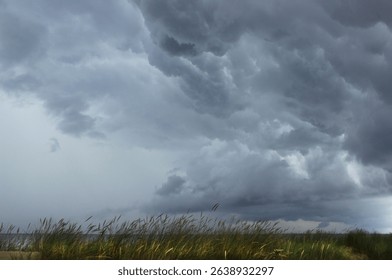

Understanding Severe Storm Patterns in the Central U.S.
The weather has always held a special fascination for those who live in regions prone to nature’s dramatic displays. Over the past few years, the Central and Midwestern United States have seen an uptick in storms that bring not only heavy rain and gusting winds but also the risk of hail and tornadoes. Recent forecasts, including detailed analyses by FOX Weather meteorologist Steve Bender, paint a picture of a complex weather scenario starting tomorrow and extending through the weekend. As we take a closer look at these forecasts, it’s essential to understand what the predictions mean for residents – from the tricky parts of meteorological forecasting to the intimidating reality of lightning storms and severe conditions.
Weather experts have long studied atmospheric patterns to pinpoint when and where severe weather might develop. In this case, forecasts forecast damaging winds and potential tornadoes. The predictions are based on fine details that include temperature contrasts, moisture levels, and wind shears. The public is advised to stay informed and be ready, because nature seems to be setting the stage for a series of intense events that could have major impacts on lives, property, and daily routines.
Diving Into Detailed Severe Storm Preparedness in the Heartland
For individuals living in the Midwest, the threat of severe weather is never far from mind. In areas known for their large open fields and varying landscapes, preparing for a storm involves more than just keeping an eye on the skies. Residents must figure a path through a host of safety measures while balancing everyday responsibilities. This editorial takes a closer look at what it means to be ready when severe weather buzzes in, and why it is super important to have a solid plan in place.
Breaking Down the Forecast: What to Expect
The forecast for the weekend is packed with potential hazards. Weather professionals are highlighting that while the threat may sound off-putting, understanding the details can help lessen the nerve-racking factor. The forecast indicates:
- Damaging winds that could lead to widespread property damage.
- Large hail events that may disrupt transportation and damage vehicles.
- The possibility of tornadoes, which introduces hazards that are both unpredictable and intense.
Even though these predictions might seem overwhelming at first glance, weather agencies have the tools to monitor and predict such events. By actively tracking updates through reliable weather apps like the FOX Weather App and tuning into live broadcasts, residents can find their way through these trying times. Staying ahead of the weather is not merely a technological feat but a necessary step in preparing for nature’s wild moments.
Staying Alert With Modern Technology
One must appreciate how modern technology has transformed our ability to keep track of extreme weather. Many individuals now rely on sophisticated apps that offer real-time updates, customizable alerts, and even interactive maps that pinpoint current weather events. The FOX Weather App, in particular, has become a super important resource for those who need to monitor rapidly changing weather conditions.
These tools allow users to:
- Receive alerts directly on their smartphones about approaching storms.
- Access live video feeds of weather events as they occur.
- Stay informed with expert commentary about the potential impact on local communities.
The availability of these real-time updates means that even when the news is loaded with tension-inducing images of tornadoes and swirling storm fronts, people can benefit from knowing exactly when and where a storm is moving. This ability to get into the nitty-gritty of storm tracking provides peace of mind during nerve-racking situations.
Assessing Potential Damage Risks Across the Midwest
While forecasting severe weather is not an exact science, the increasingly sophisticated models used today have certainly improved our ability to predict dangerous weather patterns. When meteorologists project risks like damaging winds, hail, and the potential for tornadoes, it becomes essential for residents to understand the possible consequences of these events. The current forecast suggests that millions could be affected – a statistic that underscores the need for serious prevention measures.
Residents living in the Midwest should consider understanding the key issues involved, such as:
- The impact of high winds on unsecured property, including outdoor furniture, vehicles, and even tree limbs.
- The risk of hailstorms, which can cause significant damage to roofs, windows, and vehicles.
- The potential for tornado-related damage that can range from structural destruction to widespread power outages.
It is also important for local authorities and community support networks to remain on alert. Coordinated efforts among emergency services, local government agencies, and community organizations are critical in sorting out immediate responses during severe weather emergencies. This collaboration helps ensure that help is readily available when it’s needed the most.
Managing Your Way Through High-Risk Weather: Mitigation and Safety Tips
When confronted with warnings of severe weather, it is crucial to get into the practical aspects of preparedness. Adopting a proactive mindset can often make the difference between safety and potential danger. Here are some essential safety tips and precautions that can help protect lives and property.
Essential Steps to Prepare for Severe Weather
Implementing safety measures might seem intimidating at first, but they are necessary steps to ensure you and your loved ones remain secure during a severe storm. Some key steps include:
- Reviewing and updating your emergency kits – make sure you have non-perishable food, water, flashlights, batteries, and a first aid kit.
- Creating a list of emergency contacts and noting the locations of local shelters or safe zones.
- Securing outdoor items, such as patio furniture or loose garden objects, to prevent them from becoming dangerous projectiles.
- Ensuring that your insurance policies are up-to-date and cover damage from severe weather conditions.
- Packing an emergency bag that includes important documents, medications, and a change of clothes.
For a quick visual reminder, consider the table below, which summarizes some of the most critical steps to take:
| Preparation Step | Description |
|---|---|
| Emergency Kit | Stock up on essentials like water, non-perishable food, batteries, and first aid supplies. |
| Secure Outdoor Items | Ensure that loose objects are either secured indoors or tied down to prevent damage. |
| Communication Plan | Establish a method for how your family will communicate if separated. |
| Insurance Review | Verify that your property insurance includes coverage for natural disasters. |
| Local Shelter Identification | Know the location of community storm shelters or safe rooms. |
While these preparations might cover the basic safety precautions, it is always a good idea to familiarize yourself with local emergency protocols. This way, if a tornado or severe storm comes unexpectedly, you are well acquainted with the proper response channels, giving you the confidence to manage your way through high-risk situations.
Tracking Weather Updates: Critical Tools and Reliable Sources
The role of technology in predicting and monitoring severe weather cannot be overstated. With rapidly shifting conditions, having access to the right updates can be the key to avoiding peril. One of the best resources currently available is the FOX Weather App, which combines live video feeds, expert analysis, and localized weather alerts. Using such tools, weather watchers can figure a path through potentially disruptive conditions by keeping pace with real-time data.
Benefits of Using Dedicated Weather Applications
Weather applications not only provide a window into current conditions but also offer valuable insights on what to expect in the coming hours and days. Some of the clear benefits include:
- Real-Time Alerts: Immediate notifications can sound the alarm if the storm changes direction or intensity. This direct update system reduces the risk of being caught off guard.
- Interactive Maps: Users can see a geographic breakdown of weather phenomena, enabling them to understand which areas are most affected.
- Expert Commentary: Professional meteorologists offer simplified analyses of complicated pieces in weather forecasting, making it easier for everyday users to digest and prepare.
- Multi-Platform Access: Whether on a smartphone, tablet, or computer, staying updated is only a few clicks away.
Using these tools, residents have the ability to get into a proactive mindset rather than waiting until a dangerous situation unfolds. The digital era has made it possible to sort out weather information quickly, addressing the small distinctions between a regular rainy day and a storm that might need immediate attention.
Weather Predictability vs. Reality: The Challenges in Forecasting Severe Storms
Despite the technological advancements and improved data-gathering techniques, forecasting severe weather remains a field full of tricky parts and unpredictable outcomes. Meteorologists often work with models that, while updated frequently, still have to contend with the natural uncertainties of the atmosphere. In a field where even slight variations in temperature or wind patterns can lead to very different outcomes, making your way through forecasts requires a healthy dose of caution and flexibility.
Some of the confusing bits in modern forecasting include:
- Variability in storm path predictions due to rapidly shifting meteorological conditions.
- Challenges in measuring the delicate balances between atmospheric pressure, humidity, and wind changes.
- Interpreting models that may not always align perfectly with on-the-ground observations.
While these complications might seem nerve-racking, they also highlight the importance of public awareness. An informed community is better able to react to warnings and take the necessary steps before the storm’s full force hits. Experts, such as FOX Weather meteorologists, emphasize the need for constant vigilance, reminding residents that while forecasts provide warnings, the real world often delivers unexpected twists and turns.
Behind the Scenes: FOX Weather’s Integral Role in Emergency Reporting
In today’s fast-paced media environment, trusted sources play a super important role in ensuring the public can stay safe during severe weather events. FOX Weather, along with other reputable networks, has become known for providing thorough and timely updates using live footage, expert interviews, and on-the-ground reports. Their work helps to take the wheel during moments when every second counts.
The network’s approach – combining rigorous meteorological analysis with accessible explanations – means that even when the news is riddled with tension, viewers have the tools to figure a path through the storm. This method not only educates the public about current risks but also provides a template on how to handle emergencies in a calm and systematic way.
Key contributions by networks like FOX Weather include:
- Detailed breakdowns of dangerous weather patterns, offering insights into why and when storms are likely to hit.
- Real-time broadcasts that allow viewers to remain updated on emerging threats throughout the day.
- Post-event analyses that help communities understand what went wrong and how to better protect themselves in the future.
By casting a spotlight on the meteorologists’ hard work, we gain not only a clearer picture of the weather itself but also an appreciation for the behind-the-scenes efforts that keep us informed and safe.
Balancing the Media Narrative and Public Perception of Extreme Weather
The media has a substantial influence on how we perceive and react to severe weather warnings. While sensational images and dramatic storytelling can sometimes contribute to feelings of anxiety or fear, they also serve an essential role in highlighting potential dangers. Striking a balance between caution and calm is key when it comes to delivering weather news.
One of the challenges involved in reporting severe weather is conveying an accurate picture without ramping up panic unnecessarily. It is a tightrope walk between informing the public of potential risks and not contributing to a state of constant fear. Media outlets like FOX Weather achieve this by:
- Providing measured, expert commentary that explains the small distinctions between different storm intensities.
- Emphasizing safety tips and preparedness measures as opposed to merely broadcasting graphic images.
- Offering clear instructions on when to take shelter and how to protect oneself during an emergency.
This balanced approach is essential in ensuring that while the media remains a key conduit for essential information, it also helps guide us through the myriad of confusing bits that severe weather can present. By maintaining a neutral tone, broadcast professionals help the public understand that timely preparedness – rather than fear – is the best tool in the face of natural adversity.
Staying Safe: Practical Guidelines for Severe Weather Scenarios
When facing a potentially dangerous storm, practical safety measures become more than just recommendations – they are necessities. Whether you live in a downtown area or a quiet suburb, knowing where to take shelter and what to do during a severe weather warning is critical. The following guidelines can help residents figure a path through the more overwhelming aspects of a storm:
Creating a Personalized Emergency Plan
There is no one-size-fits-all strategy when it comes to severe weather preparedness. It’s important to work through individual concerns and local specifics. Here are several steps to consider when building your emergency plan:
- Identify a Safe Space: Choose a location in your home or building – such as a basement or interior room – that is as safe as possible from debris and flying objects.
- Establish Communication Channels: Make sure everyone in your household knows where to meet and how to communicate if cell service goes down.
- Arrange Emergency Supplies: Stock up on essentials including food, water, batteries, medications, and first aid supplies well ahead of the storm season.
- Stay Informed: Regularly check local weather updates through reliable apps and TV broadcasts so that you are never caught off guard.
The following table summarizes an effective checklist that could serve as your go-to guide when severe weather looms:
| Item | Why It’s Essential |
|---|---|
| Flashlights & Batteries | Power outages are common during storms; these ensure you have illumination when needed. |
| Non-Perishable Food | An emergency supply can sustain you if you’re stuck indoors for an extended period. |
| First Aid Kit | Quick access to medical supplies might be critical during crisis moments. |
| Portable Radios | Stay updated with emergency broadcasts when internet and phone lines are down. |
| Important Documents | Keep these secure in a waterproof container in case you need to evacuate swiftly. |
By taking these proactive measures, you can significantly minimize the risk of injury and damage to property. Remember, getting ready isn’t about succumbing to fear, but rather taking control of a potentially intimidating situation.
Tips for Protecting Your Home and Property
The practical safety measures that extend to your home are equally important. Severe storms can turn everyday objects into dangerous projectiles, and the damage to buildings can be both sudden and extensive. Here are some additional tips to manage your way through times of extreme weather:
- Trim or remove loose tree branches that could become hazardous under heavy winds.
- Secure items in your yard such as garden furniture, grills, or potted plants.
- Consider reinforcing windows or installing storm shutters if you live in a tornado-prone area.
- Ensure that your roof and gutters are in good repair to handle a heavy downpour.
- Install surge protectors to safeguard valuable electronics against power spikes.
During severe weather events, these simple yet effective steps provide an extra layer of protection and help avoid stressful, complicated pieces of post-storm damage. In many cases, a bit of preparation ahead of time can make a huge difference when the weather turns on a dime.
Latest Developments and the Future of Severe Weather Preparedness
It is clear that severe weather events are becoming an increasingly frequent part of the conversation when it comes to safety and preparedness. As climate conditions evolve, the challenges in forecasting and managing these events are likely to become even more complex. However, there is room for optimism as technology and community awareness improve concurrently.
Looking ahead, some of the promising developments include:
- Enhanced Forecast Models: With the help of supercomputers and improved sensor networks, weather predictions are becoming more accurate, giving communities additional time to react.
- Smart Home Integration: Future systems could automatically shut off energy sources or send alerts directly to emergency services when severe weather is detected.
- Community-Based Initiatives: Local governments and neighbors are increasingly collaborating to create mutual safety networks that ensure no one is left stranded during emergencies.
- Education and Training: More widespread training in first aid, safe shelter protocols, and emergency communication can empower communities to manage their way through unexpected weather challenges.
These emerging trends indicate that while the risk of severe weather is unlikely to vanish, society is steadily learning how to tackle the intricate twists and turns associated with it. The proactive efforts of media outlets, local authorities, and individual households all contribute to a robust safety network designed to endure even the most powerful storms.
Reflecting on the Media’s Role in Shaping Perception During Storm Events
In a time when information travels quickly and images of devastation can spread even faster, the role of the media is as critical as ever. By reporting on severe weather with clarity and by offering practical advice, broadcasters not only inform but also empower their audience to get into the necessary mindset for preparedness. The balance between sharing the raw reality of nature’s fury and guiding viewers with life-saving tips makes for a challenging editorial territory.
Such balanced reporting can be seen as a twofold effort:
- It provides a realistic account of the risks without succumbing to sensationalism.
- It emphasizes actionable advice and reassurance, ensuring that viewers understand exactly how to protect themselves and their families.
This dual responsibility underscores the importance of reliable sources of information and careful media consumption. Residents are encouraged to cross-reference news updates with official emergency alerts and trusted weather apps to find their way through a sea of sometimes conflicting information.
Conclusion: Staying Prepared and Calm Amid Extreme Weather
In the end, understanding and preparing for extreme weather is something that touches everyone – whether it’s dealing with the intimidating roar of a tornado or the sudden barrage of heavy rain and hail. The forecasts for the Central and Midwestern United States remind us that nature can be both awe-inspiring and perilous. Don’t let the tangled issues of forecasting and the nerve-racking potential for damage paralyze you. Instead, take a proactive stance, educate yourself on proper precautions, and make full use of the technology available to get around the unpredictable twists and turns of severe weather.
The message is clear: staying informed, being well-prepared, and maintaining a calm demeanor are the best defenses against the complex reality of severe weather. While meteorologists continue improving their predictions and media outlets work tirelessly to relay these critical updates, it remains incumbent upon each of us to play our part in ensuring community safety.
By embracing proactive measures – from securing your home and preparing emergency kits to relying on smart apps and credible news sources – you equip yourself to handle whatever nature might throw your way. In these testing times, a mix of caution, information, and resilience forms the foundation of an effective response to the staggering power of Mother Nature.
Let this editorial serve as a call to action for all residents facing the potential of severe storms: look into the fine points of your emergency plans, trust in modern technology to offer real-time updates, and remember that while the forecasts might be full of complications and loaded with tension, proper preparation can ensure your safety and that of your loved ones.
In summary, the evolving landscape of severe weather requires a blend of technological savviness and time-tested safety practices. It is incumbent upon each community member to engage with the latest updates, take advantage of the tools at their disposal, and work with local services to ensure that when the winds rise and the skies turn dark, everyone can find their way to safety. With clear-headed caution and a willingness to adapt, we can all weather the storm – turning even the most nerve-racking forecasts into manageable challenges.
As we look ahead to the coming week and beyond, let us all be reminded that preparation is not just an act of survival but also one of empowerment. Together, by staying vigilant and following the sound advice of experts and trusted media outlets, we can face the unpredictable forces of nature head-on. After all, the journey through severe weather is not just about reacting in the moment but also about building a resilient, informed community capable of handling nature’s most intimidating displays.
This is an opportunity for communities across the Central and Midwestern United States to work side by side – sharing knowledge, updating emergency plans, and educating one another on the practical steps needed to stay safe. In this shared endeavor, every piece of preparedness, every detailed weather report, and each collective effort to secure homes and lives adds up to an enduring legacy of safety and resilience.
Let us keep our minds sharp and our hearts calm as we take the necessary steps to prepare, protect, and persevere. With preparation, clear communication, and the right resources at our fingertips, we will all be better equipped to manage our way through the ever-changing moods of weather, turning each storm into a testament to our collective strength and ingenuity.
While challenges remain – from the fine points of meteorological measurement to the intimidating reality of fast-moving severe storms – remember that each step you take in preparation not only safeguards your future but also strengthens the fabric of our community. By working together and staying informed, we can ensure that every warning, every forecast, and every emergency preparedness tip contributes to a safer, more resilient society.
In closing, remain perceptive, remain prepared, and most importantly, remain united with neighbors and communities during these challenging weather events. Whether through live updates on trusted apps, regular follow-ups with local authorities, or clear-headed dissemination of emergency protocols, every effort counts. As you prepare for the possible events forecasted for the Central and Midwestern regions, know that you are not alone. Our combined readiness and shared knowledge will help us all steer through nature’s turbulent moments with courage and clarity.
Let this serve as both a cautionary and an empowering message: while severe weather can indeed be nerve-racking and the forecasting process full of twists and turns, a well-informed community has the strength to face any storm. Together, we can ensure that our homes, our streets, and our hearts remain safe amidst even the most daunting natural challenges.
Originally Post From https://www.foxweather.com/watch/fmc-8rs63r2n93zzsmgu
Read more about this topic at
Cheyenne, WY
Cheyenne, WY Severe Weather Alert