Understanding Meteotsunamis and Their Impact on Chicago Travel Experiences
The urban charm of Chicago’s lakefront and the surrounding regions is renowned among travelers and outdoor enthusiasts alike. Yet, recent events have highlighted a natural phenomenon that, although not new, calls for fresh insights and a closer look. Meteotsunamis are now making headlines, impacting the picturesque views and recreational activities along Lake Michigan and Northwest Indiana. This opinion piece explores meteotsunamis—what they are, how they differ from standard tsunamis, and what this means for those planning to enjoy the area. We’ll also offer practical advice for visitors and travelers to help manage your way through these unexpected natural events.
When a violent storm system sweeps across the region, the interplay between air pressure and water levels can create an effect that mimics the appearance of a tsunami. However, unlike traditional tsunamis triggered by seismic events, meteotsunamis occur due to atmospheric conditions. These atmospheric disturbances come with their own set of tricky parts, leaving many travelers and local residents with tangled issues that demand attention as they plan their outdoor adventures.
What Exactly Is a Meteotsunami?
Meteotsunamis are essentially rapid, temporary changes in water levels driven by sudden shifts in atmospheric pressure. These changes occur when large storm systems pass through, causing air to rapidly rise off the Earth’s surface and then drop back down. This process leads to significant variations in water pressure along large bodies of water like Lake Michigan.
To clarify this further, consider the following distinctions:
- Tsunamis: These are generally triggered by seismic events, such as earthquakes, that send powerful shockwaves through the water.
- Meteotsunamis: In contrast, these are driven by large-scale weather systems and air pressure disturbances, rather than tectonic activity.
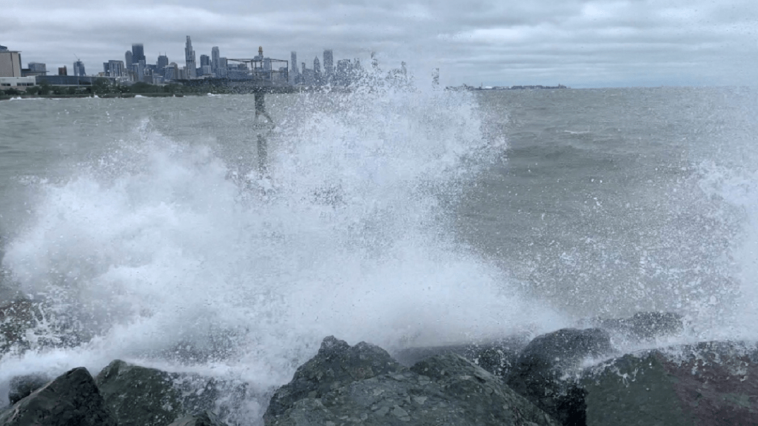
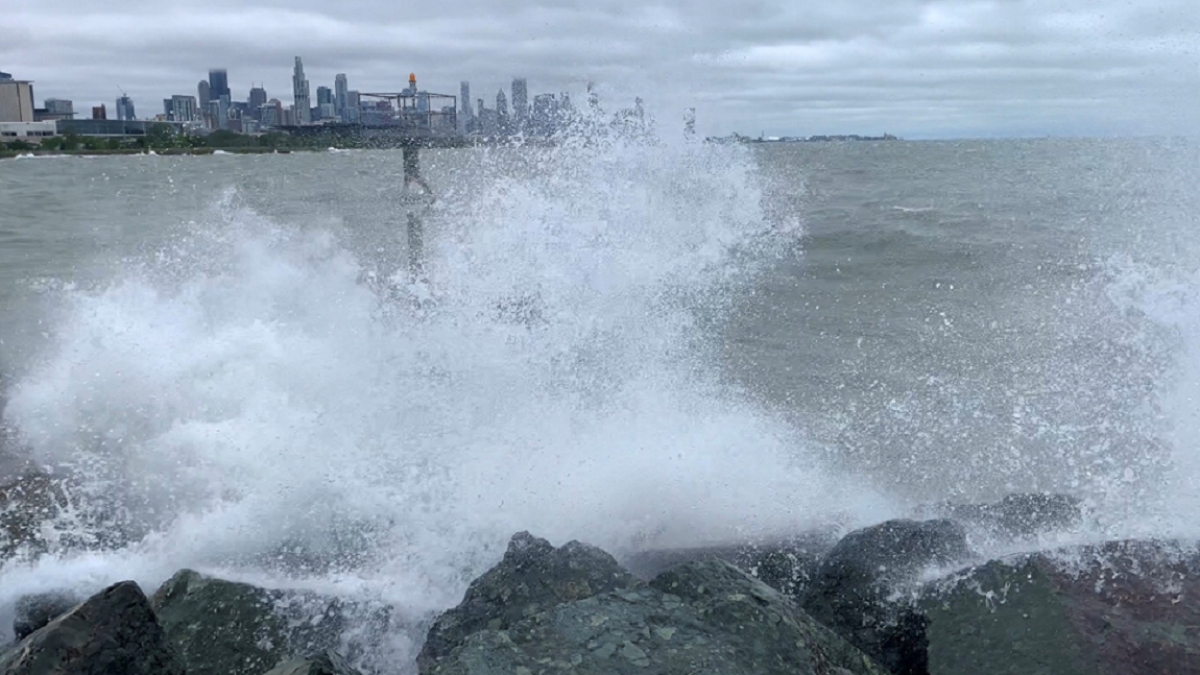
The fine points of meteotsunami events include water level oscillations that, in mild instances, can fluctuate up to 2 feet. In more intense conditions, the shifts can be as high as 6 feet. Although these changes might seem moderate compared to seismic tsunamis, they can still generate waves that cover bike paths and walking trails—creating obviously nerve-racking conditions for recreational activities along the shore.
Chicago Lakeshore Recreation Amidst Meteotsunami Events
The Chicago lakefront is a prized destination for joggers, cyclists, families, and tourists who relish scenic walks near Lake Michigan. However, when a meteotsunami occurs, it introduces an unforeseen risk to these leisurely pursuits. The unpredictable waves, ranging from 3 to 6 feet during severe storms, cover recreational paths and can lead to unwanted accidents or injuries.
The impact on local recreation is mixed. On one hand, events like meteotsunamis remind us of the water’s powerful, unpredictable nature. On the other, they introduce conditions that might feel overwhelming for those caught off guard. In a way, these natural occurrences act as a reminder that while nature is beautiful, it is also laden with subtle details that need to be respected by all.
Unexpected Challenges for Outdoor Adventurers
For travelers and locals alike, the sudden onset of dangerous water elevations demands attentiveness and caution. Several factors contribute to these challenging conditions:
- Rapid Shifts in Air Pressure: When a large storm moves near the lake, the fall or rise in air pressure can cause water levels to fluctuate quickly, leaving little time for reaction.
- Obscured Visibility: Dark, cloudy skies and heavy rain can limit a person’s ability to gauge water depths and distance, making it tricky to figure a path around the affected areas.
- Unstable Shorelines: The influx of waves and water surges may erode the shore temporarily, creating uneven surfaces that make navigating the area more challenging.
These twisting turns can be nerve-racking, and travelers must be equipped with accurate information. Recognizing that meteorological phenomena like these are full of problems does not mean one should abandon the opportunity for adventure; rather, it calls for an informed and cautious approach.
Weather Hazards and Scenic Beauty: Finding a Balance on the Lakefront
The Great Lakes region, with Lake Michigan as its centerpiece, offers a broad array of outdoor activities, from biking along paved paths to picnicking in parks with panoramic lake views. However, weather hazards such as meteotsunamis inject an element of risk. What should outdoor enthusiasts do in these circumstances?
Maintaining a balanced perspective is essential. On one side of the equation lies the undeniable beauty of Chicago’s lakefront and on the other, the potential health hazards that come with these rapidly changing conditions. The key is to prepare. Engaging with local meteorologists’ forecasts and updates from weather apps can make a significant difference in how one approaches travel under these circumstances. Here are some important points to consider:
- Stay Informed: Regularly check up-to-date forecasts, especially during stormy periods.
- Heed Warnings: If authorities issue advisories or warnings—such as a lakeshore flood warning—avoid the affected areas until conditions improve.
- Plan Alternative Routes: When the weather is harsh, have backup plans for indoor attractions or locate safe areas slightly away from the water’s edge.
- Proper Gear: Ensure you have appropriate attire, and consider safety equipment that might be useful in wet or windy conditions.
This process of finding your way through unpredictable weather is a balancing act. While adventure often involves facing the unexpected, being prepared transforms a potentially intimidating scenario into one that is manageable—and even enlightening in its own right.
Planning Ahead for Weather-Related Challenges on the Lakefront
When travel plans include visits to popular outdoor sites like the Chicago lakefront, it’s important to incorporate advanced weather tracking and local advisories into your itinerary. The meteotsunami phenomenon emphasizes the necessity of staying vigilant about the weather’s subtle parts and slight differences from typical forecasts. General steps to take include:
- Study Local Weather Patterns: Understand that the Gulf of Mexico’s warm moist air meeting the cooler Great Lakes air can set the stage for dramatic weather shifts.
- Monitor Social Media and Local News: Local meteorologists and news channels provide continuous updates about conditions in real time.
- Download Weather Alerts Apps: With alerts enabled, you can be promptly notified of meteotsunami warnings or related advisories.
- Keep a Flexible Schedule: Allow for adjustments on travel days if weather conditions deteriorate suddenly.
These proactive measures are essential because planning ahead can empower travelers to adapt gracefully when nature introduces some of its confusing bits. Rather than being off-putting, these challenges become part of the broader narrative of adventure and discovery along the Great Lakes.
Historical Meteotsunami Events in the Great Lakes Region
The phenomenon of meteotsunamis is not a first for the Great Lakes. In fact, studies and weather reports in recent years have noted that the region experiences an estimated 100 such events annually. These events vary in intensity, but even moderate occurrences can create hazardous conditions along the shoreline.
Below is a table summarizing some of the more notable meteotsunami events reported in the area over the last decade:
| Year | Location | Water Level Change | Impact |
|---|---|---|---|
| 2017 | Northwest Indiana | Approximately 3-4 ft | Minor flooding on bike and pedestrian paths |
| 2019 | Chicago Lakefront | Up to 6 ft in localized areas | Temporary beach erosion and hazards for watercraft |
| 2021 | South Shore of Lake Michigan | Approximately 2-3 ft | Disruption of outdoor events and local festivals |
| 2024 | Multiple locations in the Great Lakes | Varied, ranging from 2 to 6 ft | Significant alerts issued for recreational areas |
This table offers a glimpse into the recurring nature of these events, highlighting that while meteotsunamis are not entirely unusual, each occurrence brings its own set of intimidating challenges that call for local awareness and traveler preparedness.
Meteorological Warnings: The Role of Technology and Expert Forecasting
Modern advancements in meteorological technology play a key role in ensuring public safety during meteotsunami events. Advances in radar imaging, real-time weather tracking, and atmospheric modeling help meteorologists get into the fine details of storm behavior long before severe conditions strike.
Several aspects of meteorological foresight deserve particular focus:
- Real-Time Data: Weather forecasting agencies now have access to detailed, near real-time data regarding temperature, air pressure, and wind patterns. This information can pinpoint the onset of meteotsunami conditions.
- Advanced Warning Systems: Automated alerts, disseminated through apps and social media channels, allow for speedy dissemination of safety instructions. This means that when conditions start to worsen, local residents and visitors can quickly get warnings that may avert possible accidents.
- Community Outreach: Local news channels and meteorologists have stepped up efforts to engage in community discussions and guide residents on what to do during these events. Their expertise helps bridge the gap between raw data and practical safety advice.
Technology has thus moved beyond being just a tool, evolving into an integral part of how both locals and travelers figure a path through rapidly changing natural conditions. Paying attention to these observations is super important, as they are the tangible measures linking scientific insight to everyday precautions on the lakefront.
Safety Tips for Outdoor Enthusiasts Facing Meteotsunami Risks at Lake Michigan
Whether you’re planning to bike along the lakeside or take a leisurely stroll by Chicago’s waterfront, being aware of weather risks is a key component of any outdoor excursion. Here are some practical safety tips to consider if meteotsunamis are predicted or if you notice unusual water activity:
- Check Local Advisories: Always check the latest weather updates and local advisories before heading out. Local news sources, weather websites, and mobile alerts can provide critical, real-time information.
- Avoid the Immediate Shoreline: If a meteotsunami is reported, steer clear of areas immediately adjacent to the water. Even if the wave heights may seem moderate, sudden surges can catch even the most seasoned adventurers off guard.
- Plan Your Route: Have a backup plan for inland routes. If you’re near the lake during stormy conditions, it might be wise to opt for established indoor attractions or indoor recreational facilities.
- Wear Appropriate Gear: Invest in weather-resistant clothing and footwear with good grip. This may help you maintain your balance on wet or uneven surfaces.
- Travel in Groups: There is safety in numbers. If possible, avoid exploring alone during periods of adverse weather.
- Stay Calm: In the event that you find yourself in an unexpected situation, remember that staying calm and moving to higher ground is the best immediate course of action.
Keeping in mind these practical precautions will help you manage your way through the unpredictable twists and turns of nature while still enjoying the beauty of the Lake Michigan region.
Tourism and the Perception of Risk: A Closer Look at Public Sentiments
The occasional meteotsunami is a curiosity for many travelers rather than a cause for alarm. However, perceptions of risk can vary, influenced by personal experiences and media reports. Some people might view the occurrence as merely one of the tangled issues that come with nature, while others might dismiss it as an off-putting hazard that interferes with planned experiences.
Reputational impacts on tourism can be both positive and negative. On one hand, these natural phenomena can serve as a controversial yet interesting talking point for visitors who are in search of a unique experience. On the other, stories of dangerous conditions may dissuade certain travelers from visiting during stormy seasons.
What matters most, though, is a balanced understanding. Emphasizing both the scenic beauty of the local landscape and the advanced systems in place for ensuring public safety can help temper overly tense narratives. When tourist boards and local authorities work together to disseminate clear, concise, and up-to-date information, it benefits everyone involved. By acknowledging the key facts about meteotsunamis, travelers can remain well-informed, ensuring that their journeys are as safe as they are memorable.
Traveling Smart: Balancing Adventure and Safety Along the Lakefront
For many, the lure of outdoor experiences is in the thrill of facing natural wonders. The Chicago lakefront, with its expansive views and vibrant energy, stands out as a prime destination for adventure. Yet, as with so many natural landscapes, planning a visit necessitates a healthy amount of caution—especially when meteotsunamis are on the horizon.
Here are some additional strategies to keep your lakefront adventures both exciting and safe:
- Enroll in Local Tours: Consider joining local guided tours. Local experts are often better informed about subtle parts of the terrain and can offer a safer route through challenging conditions.
- Stay Updated with Community Forums: Websites and social media groups dedicated to Chicago recreation often buzz with the latest news, allowing for a more immediate pulse on local conditions.
- Consult with Resort or Hotel Staff: If you’re staying at a local hotel, the front desk or concierge services can provide advice on which areas to avoid during inclement weather.
- Practice Emergency Preparedness: Keep an emergency kit in your vehicle or bag, which might include water, non-perishable snacks, a first aid kit, and portable chargers for mobile devices.
- Familiarize Yourself with Exit Routes: Knowing the quickest way out of a potentially hazardous situation can make all the difference. Map out several escape options, especially if you’re in a densely populated area.
A proactive mindset paired with flexible travel plans fosters an environment where you can fully appreciate the beauty of the lakeside while mitigating risks. In fact, the experience of adjusting your plans in face of such natural events can often add to the overall adventure, making you more in tune with the environment around you.
Lessons from Past Meteotsunami Incidents: Community and Resilience
The history of meteotsunami occurrences in the Great Lakes region not only showcases the unpredictable power of nature but also highlights the resilience of communities and local authorities. Each incident has served as a learning opportunity for civic planners, emergency responders, and citizens alike, inspiring improvements in public alert systems and infrastructure planning.
From the local government’s efforts to improve navigational signage during storm advisories, to the proactive sharing of information on social media channels, every meteotsunami event has contributed to a better understanding of what it takes to live harmoniously with nature’s forces. This approach is not about suppressing nature’s beauty with overbearing caution—it is about equipping everyone with the knowledge needed to enjoy it safely.
The following are some lessons learned from earlier events:
- Improved Communication: Regular updates from meteorologists have proven essential for providing timely warnings, assisting residents and visitors in steering through rapidly changing conditions.
- Infrastructure Enhancements: Municipalities have invested in better water drainage systems and reinforced walkways to handle sudden influxes of water.
- Enhanced Public Awareness: Community workshops and information sessions have been organized to educate the public on how to interpret weather signals and act promptly.
These measures contribute to a safer, well-informed community, making it possible to enjoy Chicago’s lakefront experiences with confidence. When communities work together and share information openly, the slight differences between a routine day and a challenging one can be effectively managed.
Environmental Reflections: The Bigger Picture Beyond Meteorological Hazards
The occurrence of meteotsunamis invites us to pause and consider the broader environmental context. Climate patterns are evolving, and shifts in atmospheric behavior are becoming more common in many parts of the world. While the Great Lakes have always been a dynamic natural system, recent years have shown that these subtle parts of nature—the little twists in weather patterns—can have a pronounced impact on even highly frequented tourist areas.
This realization prompts several environmental reflections:
- Climate Change Awareness: As global temperatures shift, weather patterns across the world may produce more frequent or unpredictable events like meteotsunamis.
- Eco-Friendly Tourism: Travelers are increasingly seeking experiences that respect and incorporate environmental sustainability. This means embracing nature with an informed perspective rather than trying to tame or ignore its nerve-racking displays.
- Community Preparedness: Local governments, businesses, and residents are coming together to develop eco-friendly responses, ensuring that the natural beauty of the lakefront remains both accessible and safe.
Recognizing these environmental dynamics adds another layer of depth to our travel decisions. Not only must we manage our way through immediate weather hazards, we must also appreciate the larger, often intimidating shifts in our planet’s natural rhythms. By doing so, each traveler becomes a part of an ongoing dialogue between human activity and nature—a conversation that encompasses both awe and responsibility.
Integrating Safety with Adventure: A Roadmap for Future Visitors
As meteotsunamis remind us of the unpredictable might of nature, they also offer a chance to integrate safety protocols with the thrill of the great outdoors. For future visitors to the Chicago lakefront, being prepared is not about curtailing adventure; it’s about enriching it.
Consider the following roadmap to ensure that your next trip to the lakeside is both enjoyable and safe:
- Pre-Trip Planning:
- Review updated weather forecasts and historical data on local weather events.
- Consult with local travel agencies for advice on best times to visit.
- Identify indoor attractions as alternatives in case of severe weather.
- During Your Visit:
- Use mobile apps to receive immediate alerts related to meteotsunami conditions.
- Keep emergency numbers handy and know the locations of nearby shelters.
- Maintain communication with fellow travelers and local guides.
- After the Event:
- Engage with local community platforms to share experiences and safety suggestions.
- Reflect on any lessons learned that could improve future travel decisions.
By taking a proactive and informed approach, visitors not only mitigate potential hazards but also gain a deeper appreciation for the delicate balance between natural forces and human activity. Every twist and turn of a meteotsunami event is an opportunity to learn, adapt, and ultimately enjoy the majesty of the natural world in a responsible way.
Concluding Reflections on Meteotsunamis and Sustainable Travel
In our ever-evolving world, natural events like meteotsunamis serve as both a reminder and a call to action. For those who venture along the Chicago lakefront and throughout the Great Lakes region, it is essential to combine enthusiasm for outdoor activities with a healthy dose of caution and planning. The interplay of meteorological forces—ranging from rapid air pressure changes to unpredictable water surges—demands a keen awareness and readiness to adapt.
Travel is about embracing not only the beauty of our destinations but also the occasional intimidating challenges that nature presents. With modern forecasting tools, clear local advisories, and a strong community of informed citizens, the risks associated with meteotsunamis can be effectively managed. By staying updated with expert forecasts, heeding local warnings, and taking proactive steps to ensure personal safety, visitors can continue to enjoy the scenic allure of Lake Michigan without unwelcome surprises.
Ultimately, the meteotsunami episodes that sporadically affect the Chicago lakefront remind us to look beyond the obvious. They reveal the hidden complexities of nature, the subtle parts of our environment that require both respect and understanding. As we take a closer look at these natural phenomena, we learn more about the intricate relationship between weather and water—a relationship that is both fascinating and, at times, a bit overwhelming.
For travel enthusiasts and locals alike, the message is clear: be prepared, stay informed, and never lose sight of the wonder that our natural world offers. The next time you gaze across the sparkling surface of Lake Michigan or enjoy the vast expanse of Chicago’s shoreline, remember that the best adventures are those where safety and spontaneity travel hand in hand.
In a world where the subtle details of nature can suddenly shift from scenic to challenging, our capacity to adapt and appreciate both the beauty and the unpredictable power of the elements defines our journey. And so, armed with knowledge, clear-headed planning, and a spirit of adventure, every visitor can look forward to exploring the lakeside with confidence and respect for the natural forces that shape our environment.
Travel, in its truest sense, is not just about reaching a destination—it’s about experiencing the full spectrum of nature’s offerings, from calm mornings by the water to the awe-inspiring, albeit intimidating, display of a meteotsunami. It is the interplay between these moments that makes every visit memorable, offering lessons in resilience, community, and the timeless dialogue between man and nature.
Originally Post From https://www.cbsnews.com/chicago/news/meteotsunami-lake-michigan-chicago-lakefront-northwest-indiana/
Read more about this topic at
On top of everything else it appears that a sudden lake
Possible ‘Meteotsunami’ Reported at Navy Pier During …