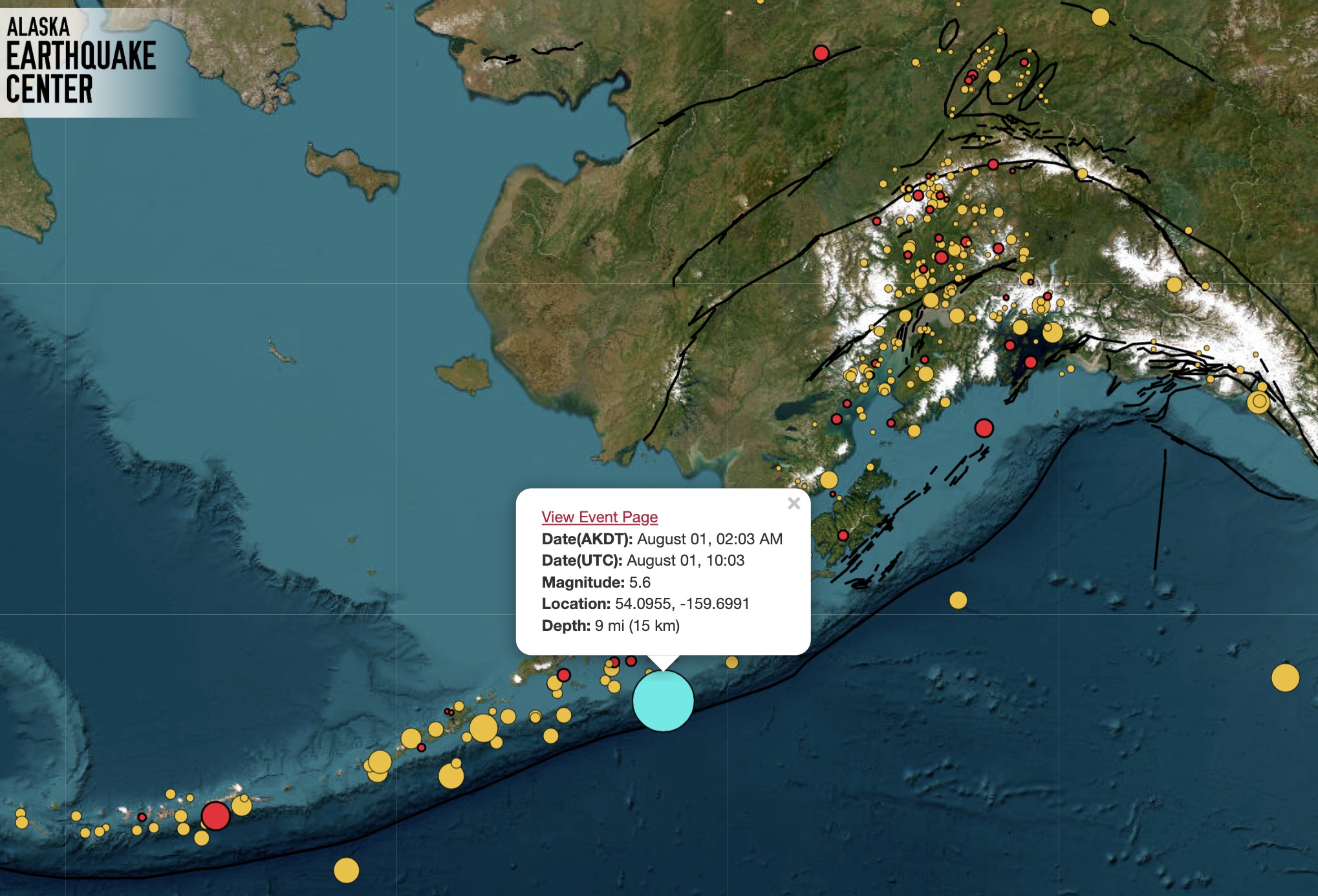
Alaska’s Trembling Earth: An Opinion on Nature’s Unexpected Shakes
The recent magnitude 5.6 earthquake near Denali National Park serves as a vivid reminder that Alaska’s dynamic geology plays out in real time. This unexpected shaking, felt across communities including Anchorage, Hope, and Kenai, is a potent example of the natural forces that shape our environment. In this editorial, we take a closer look into the fine points of seismic activity, explore the ways local residents experience these tremors, and consider the lasting impact on the communities that call Alaska home.
Understanding the Seismic Pulse of Alaska
On a recent evening, around 9 p.m. local time, a significant tremor struck near Denali National Park, roughly 35 miles northwest of Skwenta. At a shallow depth of approximately 6 miles, the quake’s force was felt by many in the nearby cities. Such events are loaded with issues regarding public safety, infrastructure concerns, and the hidden complexities of the earth’s constant motion.
While many locals have grown accustomed to the recurring shaking, each seismic event brings a mix of awe and anxiety. As residents felt the tremors, the immediate reaction was a blend of disbelief and concern—an understandable response, given that these shakes remind us of nature’s unpredictable power. The quake underscores how Alaska sits on an active part of the Pacific Ring of Fire, where tectonic movements occur with regular frequency. The fine details of this event, including its moderate magnitude, reveal much about the state’s ongoing geological evolution.
How Local Communities Feel the Earth Move
Residents across Alaska have experienced earthquakes in many forms. In Anchorage, a city nestled against the backdrop of the Chugach Mountains, even a modest quake can feel significantly disruptive. The experience of an earthquake is often colored by the immediate surroundings: the type of ground, building construction, and even the local geography. These shaking events bring with them tangled issues, from the obvious physical effects to the subtle psychological impact on those who face such events on a regular basis.
It is essential to recognize that while a magnitude of 5.6 sounds moderate by seismological scales, its effect depends on several factors including depth, proximity to fault lines, and local building practices. For many, even the slightest tremor leaves behind a mix of relief and lingering apprehension. What may seem like a momentary jolt is often the beginning of a series of assessments that evaluate how well communities can brace themselves for further activity.
Living on the Edge: The Broader Context of the Pacific Ring of Fire
Alaska’s location on the Pacific Ring of Fire cannot be overstated. This ring, a path marked by frequent earthquakes and volcanic eruptions across the Pacific Ocean, brings to light the tricky parts of understanding geological patterns. The region is known for its intensive seismic activity, and even a single earthquake can be a window into the greater picture of tectonic shifts that are occurring over vast stretches of time.
For many, Alaska represents one of the most impressive front-row seats to the earth’s natural performances. Residents, scientists, and travelers alike are drawn to the rugged landscapes and dynamic geology. This constant state of activity, while sometimes overwhelming, offers opportunities for learning and adaptation. In a state where the earth is always on the move, staying informed is key to making your way through the various twists and turns that nature presents.
Spotlight on Anchorage: A City Defined by Resilience
Anchorage, the largest city in Alaska, has a long history of encountering and adapting to seismic events. The residents here have learned to figure a path through each quake, building a unique culture of resilience and preparedness. When the 5.6 earthquake struck, the tangible buzz of community awareness mingled with routine safety checks and immediate reports of the shaking that resonated through the urban landscape.
For those residing in Anchorage, every tremor is a reminder of the inherent risks associated with living in such a seismically active zone. Yet, it is also an opportunity to showcase the strength and resourcefulness of the community. Local leaders and emergency services work together to ensure that everyone is kept up to date and safe. It is these everyday actions that turn potentially nerve-racking situations into moments of unity and cooperation.
Geological Depth and Impact: What the Numbers Tell Us
Diving into the numbers reveals some of the hidden complexities of this seismic event. A magnitude 5.6 earthquake, while not cataclysmic by global standards, still packs a punch when it occurs at a shallow depth like 6 miles. The shallow nature of the quake means that the energy has less distance to dissipate before it reaches the surface, often leading to more pronounced shaking. The energy released in such events is a reminder of the ever-changing ground beneath our feet.
Below is a table summarizing some key aspects of the quake:
| Parameter | Detail |
|---|---|
| Magnitude | 5.6 |
| Location | Near Denali National Park, about 35 miles northwest of Skwenta |
| Depth | Approximately 6 miles |
| Time | Approximately 9 p.m. local time |
| Communities Feeling the Shake | Anchorage, Hope, Kenai, and surrounding areas |
This table clearly indicates how a combination of magnitude, depth, and location can contribute to the experience of an earthquake. It illustrates that even moderate numbers can have substantial local effects, particularly in areas that are closely associated with the Ring of Fire.
Comparing Eastern and Western U.S. Earthquake Trends
While earthquakes are commonly associated with the western U.S., historical records show that some of the largest seismic events have occurred in the eastern part of the country. This might come as a surprise to some, as the West—especially along the Pacific Coast—is regarded as the epicenter of tectonic activity. However, the landscape and geological setup in the East demonstrate their own set of challenging bits and confusing bits that affect how earthquakes are felt and measured.
There are several reasons for these differences:
- Geological Composition: Regions in the East have older, more consolidated rocks, which can transmit seismic waves more efficiently, making the tremors feel longer and stronger.
- Building Construction: Many older structures in the East were not designed with modern earthquake-resistant technology in mind, thereby increasing the potential for damage.
- Fault Line Characteristics: The tectonic shifts in the East tend to occur along ancient fault lines, whose patterns can sometimes be full of problems when it comes to understanding their behavior.
By contrast, newer urban centers and updated building codes in the West help mitigate some of the potential damage. Both regions, however, face their own series of intimidating challenges when it comes to preparing for and responding to seismic events.
Seeing Beyond the Shake: Economic and Social Implications
An earthquake is not just a geological event—it also has real social and economic repercussions. For communities in Alaska, each seismic incident can disrupt daily life in a variety of ways. Local businesses might see temporary closures, schools may adjust their operating hours, and the psychological impact on residents can be significant. Even if no immediate damage, injuries, or fatalities are reported, the ripple effects can be long-lasting and widespread.
The economic implications include:
- Infrastructure Repairs: Even minor tremors can lead to cracks in roads, bridges, and buildings, necessitating costly repairs.
- Emergency Preparedness Costs: Communities often invest in emergency services and public awareness campaigns, which are super important to keep everyone safe.
- Tourism Impacts: Although Alaska’s natural beauty and rugged terrain attract travelers, seismic events sometimes cause temporary dips in tourism as visitors assess the situation.
Socially, the community’s response to earthquakes can bring people closer together. In many cases, trusted local media outlets and weather forecasting apps play a key role in disseminating information, helping residents manage the consequences of these sudden events. The shared experience of living in an earthquake-prone region often creates a strong sense of solidarity among neighbors.
Preparing for the Next Shake: Safety and Community Resilience
One of the silver linings of recurring seismic events in Alaska is the opportunity to work through challenges together. Local governments, emergency services, and residents continuously refine their strategies for responding to earthquakes. Preparing for these events involves a mix of practical measures, such as securing large furniture and placing heavy items on lower shelves, and community-wide efforts to stay informed.
Here are some steps that residents can take to protect themselves:
- Emergency Kits: Maintain kits with food, water, first aid, and essential supplies that can support your family in the event of an earthquake.
- Safe Spaces: Identify safe spots in your home—away from windows, heavy shelves, and other potential hazards—where you can take cover when the shaking begins.
- Community Drills: Participate in local earthquake drills and educational programs to get a closer look at how best to handle unexpected shaking.
- Staying Informed: Use trusted sources such as local news outlets and dedicated weather or seismic activity apps to stay updated on any developments.
These proactive steps not only help individuals during a quake but also strengthen the overall community bond. In Alaska, where every tremor reinforces nature’s power, bolstering community resilience is both a practical and emotional necessity.
How Modern Technology Aids in Earthquake Preparedness
Recent technological developments have made following and understanding earthquake activity more accessible than ever before. Online weather journals and dedicated apps play an essential role in capturing real-time data. These platforms allow residents to get into micro-level details of seismic events, making it easier for local communities to assess what is happening as it happens.
Modern seismic monitoring means that residents have access to:
- Real-Time Alerts: Instant notifications about the location, magnitude, and impact of earthquakes.
- Detailed Maps: Visual representations of seismic activity that highlight affected areas, helping people figure a path through possible hazards.
- Historical Data: Access to past events can provide context, allowing residents to compare current shakes with previous ones and better understand the pattern and frequency of local earthquakes.
- Expert Analysis: Many platforms feature contributions from geologists and emergency professionals who offer insights into current seismic trends and future forecasts.
This integration of technology doesn’t eradicate the tenseness that comes with natural events, but it does alleviate some of the overwhelming uncertainty. When people feel more informed, they can better prepare for and figure out the next steps during and after an earthquake.
The Role of Media and Communication During Seismic Events
The immediate dissemination of information is critical during earthquakes. Local media outlets, including online platforms and dedicated weather apps, act as the bridge between scientific data and public awareness. In moments where the ground suddenly shifts, clear communication can be the difference between panic and preparedness. The efforts by these media organizations to provide continuous updates help everyone manage their risk, ensuring that no one is left in the dark during critical moments.
Effective communication during these events relies on a few key points:
- Timeliness: Rapid updates ensure that residents have the most current information.
- Clarity: Simple language and clear visuals help translate the confusing bits of scientific data into actionable safety tips.
- Local Focus: Tailored information that outlines how the quake specifically impacts local communities ensures that the guidance is directly relevant to those affected.
- Community Engagement: Encouraging dialogue and feedback can help improve the quality of information distributed in the future.
In Alaska, where the unexpected shaking can quickly transform daily life, these media efforts function as a critical service, guiding residents through each new seismic episode while ensuring that the community remains unified in the face of nature’s challenges.
Balancing Risk and Resilience in the Face of Earthquakes
It’s important to adopt a balanced perspective when considering the implications of seismic events. While the immediate aftermath of a quake can be both scary and nerve-racking, the long-term picture is one of resilience and adaptation. Alaska’s communities have developed strategies over generations to deal with the constant reminder that the earth is always on the move.
Central to this balance is the understanding that risk management in a seismically active area involves both practical preparation and a calm, community-focused approach. Every tremor tests the limits of local infrastructure, yet every recovery reinforces the determination and solidarity that defines Alaskan life.
Key points to consider when striking this balance include:
- Awareness and Education: Understanding the science behind earthquakes helps demystify the events and reduce unnecessary panic.
- Community Involvement: A united response, guided by local leaders and clear communication, can turn a potentially chaotic situation into a manageable one.
- Investment in Resilience: Ongoing improvements in building codes and infrastructure are super important, ensuring that even as the earth shifts unpredictably, there is a layer of protection in place.
- Mental Preparedness: Learning to cope with a natural phenomenon that happens unexpectedly every day can be tough, but it is a critical part of living in a state like Alaska.
Planning for the Future: Lessons Learned and Looking Ahead
Every earthquake offers a chance to reflect on what can be improved moving forward. In Alaska, where the ground is dynamic and unpredictable, learning from each event is a continuous process. The recent 5.6 quake provides several key lessons that residents, emergency services, and local policymakers can use to refine their approaches in future events.
Some of the noteworthy lessons include:
- Enhanced Early Warning Systems: Implementing and upgrading technologies that provide timely alerts can give residents crucial seconds to seek safety.
- Community Drills and Trainings: Regular drills and practical workshops equip people with the know-how to figure a path through the immediate aftermath of a quake.
- Infrastructure Upgrades: Continual assessments and upgrades to buildings, roads, and bridges can mitigate the long-term effects of seismic activity.
- Collaborative Planning: Encouraging dialogue between scientists, local leaders, and residents helps create a more nuanced, community-centered approach to managing seismic risks.
Looking ahead, it’s clear that the combination of innovative technology, community involvement, and informed policy decisions will be crucial. As Alaska continues to experience the shaking forces of nature, the shared commitment to learning and improving will remain a cornerstone of its strength.
Travel, Recreation, and the Thrill of Nature’s Force
Despite the challenges posed by earthquakes, Alaska’s natural vibrancy continues to draw adventurers and travelers from across the globe. For many, the occasional tremor is part of the allure of visiting a place where raw nature is both unpredictable and breathtaking. The allure of Denali National Park, the rugged terrains, and the pristine beauty of Alaska is intertwined with its seismic character.
Outdoor enthusiasts and travelers often describe their experiences in Alaska as a delicate balance between respect for nature’s unpredictable power and the thrill of exploring untamed wilderness. When planning a trip to regions known for seismic activity, visitors are encouraged to:
- Stay Informed: Keep track of local updates on weather, seismic activity, and road conditions.
- Plan Wisely: Research accommodations and emergency procedures in case of unexpected natural events.
- Embrace the Experience: Understand that every shake adds to the narrative of a place where the earth’s forces are alive and well.
- Respect Local Advice: Trust the guidance from local residents and authorities who know firsthand how to manage the little twists that come with living in a dynamic environment.
Travel in Alaska is much more than a leisurely escape—it’s an immersive experience that calls on travelers to appreciate both the beauty and the challenges of the natural world. Each tremor, while it may cause a moment of uncertainty, also deepens the connection between visitors and the land that has shaped the local culture for generations.
Environmental Resilience and the Role of Community Adaptation
One of the most compelling aspects of life in Alaska is the manner in which communities have learned to adapt to the unpredictable nature of their environment. The frequent shakes, while intimidating, have galvanized residents to develop systems of support that are as robust as they are essential. In many ways, the spirit of Alaskan communities is best described as one that does not shy away from the overwhelming challenges nature presents; instead, it dances through them, learning from every misstep and triumph.
This adaptability is visible in several community programs and infrastructural developments:
- Local Workshops and Safety Trainings: These sessions help residents get into the small distinctions of earthquake safety, ensuring everyone knows what to do when the ground begins to move.
- Collaboration with Scientists and Engineers: Partnerships aimed at figuring a path to better building practices and infrastructure improvements underscore the critical importance of blending local knowledge with professional expertise.
- Community Relief Centers: In the wake of significant seismic events, established relief centers help provide assistance and coordinate recovery efforts.
- Neighborhood Communication Networks: These grassroots networks allow residents to stay connected, share real-time updates, and support one another through every tremor.
What stands out most is the community’s readiness to work through the challenging pieces even when conditions are tense. In Alaska, preparedness goes hand in hand with the natural rhythm of the land. Residents have become adept at recognizing warning signs, making necessary adjustments, and ensuring that their way of life continues with minimal disruption despite the earth’s unpredictable dance.
Reflecting on the Human Experience Amidst Seismic Activity
Beyond geological assessments and preparedness tips, the human story intrinsic to these events is deeply moving. Each tremor stirs memories of past experiences and illuminates the shared reality of living in a world where the ground beneath our feet is never truly still. The emotional response to an earthquake can range from a fleeting moment of shock to a long-lasting reflection on the transient nature of our surroundings.
This phenomenon brings up several thought-provoking questions:
- How do we stay grounded, both metaphorically and literally, when faced with physical shifts in our environment?
- What can we learn about our resilience and resourcefulness from each shaking episode?
- How does living in an area known for its powerful natural events shape our identity as communities and individuals?
By taking a closer look at these issues, we can appreciate that the experience of an earthquake is not solely about the physical tremors—it’s also about the emotional and cultural imprints these events leave behind. The way communities come together, share stories, and support one another reflects a remarkable strength that is built over countless generations. In Alaska, every quake is a chapter in an ongoing narrative of perseverance and hope.
Community Voices: Local Perspectives on Earthquake Preparedness
Conversations with local residents reveal a wealth of insight into the day-to-day implications of seismic activity. Many speak of how the recurring shakes, although sometimes nerve-racking, have become a natural part of life. They describe the fine shades of the experience—from the initial shock of the ground shifting to the collective relief as emergency procedures are enacted.
Some common reflections from the community include:
- The Sense of Unity: “We learn to work together every time the earth moves. It’s like nature brings us closer, reminding us that we’re all in this together,” said one local school teacher.
- Practical Adaptations: “We’ve seen enough quakes to know where to take cover and how to safeguard our homes. It’s become part of our daily routine,” shared a long-time Anchorage resident.
- The Price of Preparedness: “Each quake demands a bit of repair work, but it also teaches us to invest in our future safety. We’re always adjusting, always improving,” noted a local business owner.
These voices serve as a powerful testimony to the resilience built into the fabric of Alaskan society. They remind us that while the earth’s movements may be unpredictable, the human capacity to adapt, learn, and support one another remains unwavering.
The Interplay of Science and Society: Embracing Uncertainty with Confidence
At the intersection of science and daily life, earthquakes challenge us to acknowledge the unpredictable nature of our planet. They force us to take a closer look at the techniques used to predict and respond to seismic events. While scientific instruments and models help decode the little twists behind every quake, the process of making sense of the shifting ground requires cooperation between experts and everyday citizens.
Some of the key ways in which science and society work together in Alaska include:
- Continuous Monitoring: Seismographs and remote sensors provide real-time data that scientists use to analyze the behavior of tectonic plates.
- Community Partnerships: By collaborating with local authorities, research institutions, and even meteorologists, scientists can offer crucial insights that help residents feel more secure.
- Public Education: Workshops and online platforms dedicated to earthquake preparedness demystify many of the confusing bits of seismic science, making them accessible to everyone.
- Future-Proofing Infrastructure: Engineers are constantly working through the subtle parts of earthquake-resistant design to ensure that communities can better withstand future quakes.
This interplay reflects not only the curiosity of the human mind but also the inherent desire to understand and adapt. When science peeks into the hidden workings of the earth, it reaffirms a powerful lesson: while we may not control nature, we can certainly prepare for its surprises.
Conclusion: Embracing Alaska’s Earth in All Its Changing Forms
Alaska’s recent magnitude 5.6 earthquake is more than just a headline—it’s an emblem of the unyielding energy that fuels life in this rugged corner of the world. The event, experienced in real time by residents of Anchorage, Hope, Kenai, and beyond, compels us to take a closer look at how natural forces shape our lives, our infrastructure, and our shared culture.
From the immediate impact of a trembling ground to the strategic measures that carve out a path for safer living, every aspect of an earthquake experience contributes to a broader narrative of resilience, adaptation, and solidarity. The discussions that arise in its wake—about safety, preparedness, and community spirit—are as important as the physical measurements recorded by scientific instruments.
For those living in regions where the earth is always on the move, every tremor is a reminder of both nature’s might and our incredible ability to adjust to its changes. As we continue to relish the wild beauty of Alaska while grappling with the shifting ground beneath our feet, we are, in essence, embracing a life that is as unpredictable as it is awe-inspiring.
In the end, earthquakes teach us that while the landscape may be full of problems and loaded with issues, our collective preparedness, community strength, and willingness to learn from the past create a robust framework for facing whatever comes next. As Alaska continues to experience the dramatic interplay between tectonic forces and human life, we find in each tremor a renewed commitment to understanding, planning, and, above all, coming together as a community.
Every shake, every subtle shift in the ground, is a lesson in the fine details of resilience. And as long as the earth continues to move, Alaska’s spirit of adventure and unity will remain a beacon for those willing to embrace the challenges and rewards of living on the edge of nature’s grand design.
Looking into the future, it is essential for communities, policymakers, and scientists to keep fostering an environment of collaboration. The steps taken today—from infrastructure improvements to community safety programs—are the seeds of tomorrow’s secure and vibrant life in a land that is both delicate and raw in its natural beauty.
In conclusion, the recent seismic episode in Alaska is a call to continuously invest in preparedness and community engagement. It stands as a powerful reminder that, while the earth may sometimes seem overwhelming in its rapid, nerve-racking shifts, our ability to understand and adapt remains our most significant strength. Alaska is many things—a land of rugged splendor, a canvas of natural artistry, and a testament to life’s enduring resilience. And as each tremor unfolds, we are invited to join in that ongoing dialogue with nature, learning from the earth’s every fine point while forging ahead with the shared determination that defines our community.
Originally Post From https://www.foxweather.com/weather-news/magnitude-5-6-earthquake-jolts-alaska-pacific-ring-of-fire-seismic-activity-august-2026
Read more about this topic at
7.3 magnitude earthquake rattles Alaskan island …
The 1964 Great Alaska Earthquake & Tsunami